

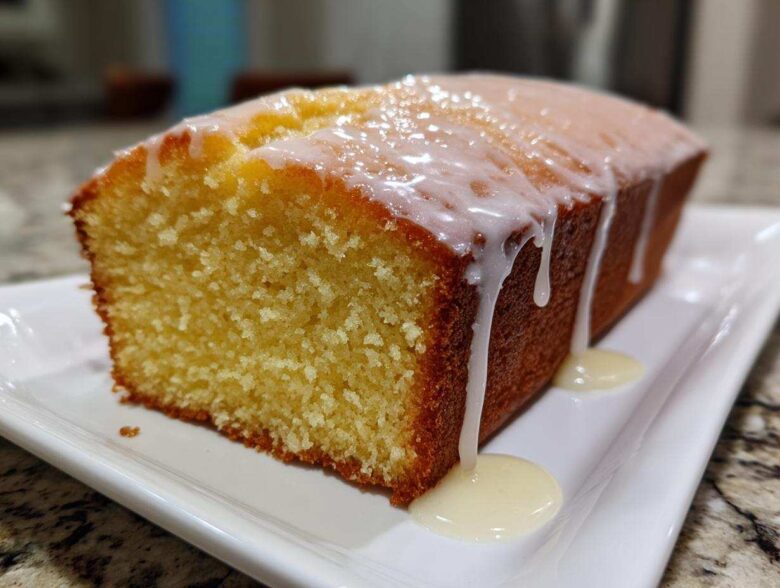
There is nothing—and I mean nothing—quite like biting into a perfect slice of lemon pound cake. It needs to be dense enough to hold up to a drizzle of icing, but so incredibly moist that it practically melts on your tongue. This isn’t just any recipe; this is truly the best lemon pound cake recipe you will ever pull out of your oven. When Anya, Sasha, and I started Savor Sensations, we knew we needed a signature citrus bake that represented our combined joy, and this one just sings! It’s bright, it’s sunny, and it’s packed with enough zesty flavor to make your eyes widen. If you want to know more about the friendship that cooks up these recipes, you can always check out our story here!
Why This is the Best Lemon Pound Cake Recipe You Need
We’ve all been there, right? You follow a recipe, and it comes out tasting like, well, dry cardboard that happens to be yellow. Not here! This specific lemon pound cake rises above the rest because we obsessed over three things: moisture, mega-flavor, and that crackly glaze.
What makes this version a keeper? It’s a trifecta of lemon goodness that you just won’t find everywhere:
- Unbelievable Moisture: Thanks to the sour cream and using everything at room temperature. Say goodbye to dry crumbly edges!
- Zest Overload: We use way more zest than most recipes call for because that’s where the pure, natural lemon punch lives.
- The Perfect Finish: That lemon pound cake with glaze needs that blanket of tart sugar to seal in the magic.
Achieving That Signature Moist Texture
Okay, listen up, this part is essential for the ultimate soft bite. Almost every time I’ve seen someone struggle here, it’s because their butter, eggs, or sour cream was cold straight from the fridge! When they are room temperature, they cooperate beautifully when you cream them. That smooth base traps air perfectly. The sour cream, though—that’s the game changer. It adds richness without being heavy, and the acid tenderizes the flour, giving you that incredibly soft, velvety crumb every single time. Trust me, letting your ingredients warm up saves you a world of headache!
Gathering Ingredients for Your Lemon Pound Cake with Glaze
Alright, let’s get this party started! Before we even think about turning on the mixer, we need to talk about ingredients. This lemon pound cake with glaze relies on bright, fresh flavors, so you simply cannot skimp here. If you try to substitute bottled lemon juice for the fresh stuff? Honey, you’ll know the difference, and honestly, the cake will know the difference too! The flavor just won’t pop the way it should.
One major reminder from our headquarters: everything that needs to be soft or creamy—that’s the butter, the eggs, and especially the sour cream—needs to be at true room temperature. Pull them out early! It helps everything combine smoothly into that gorgeous, airy batter we are aiming for.
Ingredients for the Buttery Lemon Cake
This is the heart of your cake. Remember, precision matters here so we don’t throw off the texture!
- 1 1/2 cups (3 sticks) unsalted butter, softened—make sure it’s soft, not greasy!
- 3 cups granulated sugar—this provides the structure and sweetness.
- 4 large eggs, room temperature—seriously, let them sit out!
- 1 tablespoon fresh lemon zest (from about 3 lemons)—this is your flavor powerhouse, don’t be shy!
- 1/4 cup fresh lemon juice—strained, please.
- 1 cup sour cream, room temperature—this is our secret weapon for moisture.
- 1 teaspoon vanilla extract
- 3 cups all-purpose flour
- 1 teaspoon baking powder
- 1/2 teaspoon salt
Ingredients for the Tangy Lemon Icing
We want a glaze that drips beautifully but sets up nicely. This tangy lemon icing is so easy, but you have to get the consistency right. It should be thick enough to coat the back of a spoon but still thin enough to pour easily over the cake.
- 2 cups powdered sugar—sifted if you want zero lumps!
- 4 tablespoons fresh lemon juice—add slowly until you hit that perfect pourable consistency.
Step-by-Step Instructions for the Perfect Lemon Pound Cake
Now for the fun part—making the magic happen! This recipe for a lemon pound cake might look long, but I promise it flows logically. Cooking is really about pacing yourself. When Anya, Sasha, and I bake together, we put on loud music and follow these steps precisely, especially the mixing parts. That’s where we guarantee that unbelievable texture.
Preparing the Pan and Creaming the Base for Your Lemon Pound Cake
First things first: get that oven humming! We need a nice, steady warmth to bake this loaf right. Set your oven to 325°F (160°C). This lower temperature lets the rich batter bake thoroughly without burning the outside—it’s crucial for that perfect bake.
Next, grab your 10-inch tube pan or that pretty Bundt pan you love. Don’t skip preparing it well! Use butter or spray, and then dust it thoroughly with flour. If you’re nervous about sticking (and who isn’t sometimes?), feel free to check out my favorite method for never losing a slice, which is similar to the one I use for my cream cheese swirls.
Now we get to work on the base. In a big bowl, whip that softened butter with the sugar. And I mean whip! Use your electric mixer on medium speed for a solid 5 minutes. You are looking for it to go pale yellow and look light and fluffy, almost like whipped frosting. This step is pure E-E-A-T, folks—it’s how we trap all those buttery air bubbles that keep the cake tender later on, so give it the time it asks for!
Mixing Wet and Dry Components for a Moist Lemon Pound Cake
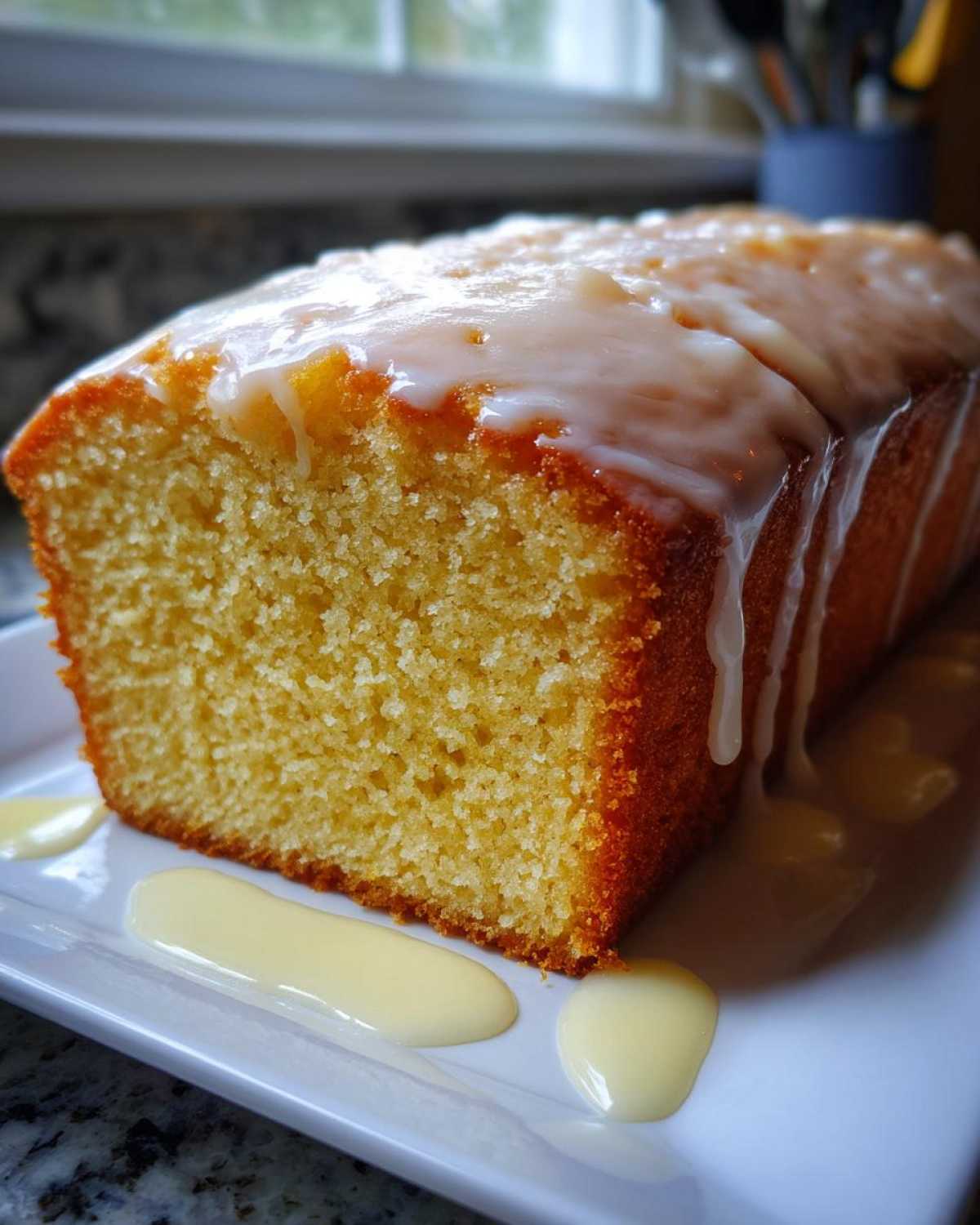
In their separate bowls, you should have your dry mix (flour, salt, baking powder) and your wet mix (the sour cream combo with zest and juice). This is where patience pays off for that moist lemon pound cake texture.
We are going to add these components alternately. Start by adding about a third of the dry ingredients to your creamed butter and mix just until it disappears. Then, add half of your sour cream mixture and mix a little more. Repeat this process—dry, wet, dry—until it’s all incorporated.
And here is the golden rule: Do not overmix once the flour is in! As soon as you can no longer see streaks of flour, stop the mixer. Seriously, stop! Overmixing builds gluten, and gluten makes pound cake chewy instead of tender. We want tender, we want buttery, we want soft!
Baking and Glazing This Zesty Lemon Cake
Pour that glorious, thick zesty lemon cake batter evenly into your prepared pan and slide it into that 325°F oven. It takes a good while—usually between 65 and 75 minutes. You know it’s probably done when the edges start pulling slightly away from the sides of the pan.
Test it with a thin wooden skewer inserted right into the middle. If it comes out clean, or maybe with just a few tiny, moist crumbs clinging to it—perfection! If you see wet batter, give it five more minutes and check again.

Let the cake cool in the pan on a rack for about 15 minutes. This is important! While it cools a touch, go ahead and whisk up that tangy icing we talked about. Once the cake has cooled just slightly, flip it out onto the wire rack. Now grab that skewer again and poke holes all over the top! This lets the warm cake drink up all that sweet-tart glaze. Pour that icing slowly and evenly over the whole top surface so it melts down into those little holes you just made. Let it set before you slice into this beauty!
Tips for Success When Making a Lemon Pound Cake from Scratch
You’ve got the best pound cake recipe from scratch right here, but sometimes even the best instructions need a little tweaking based on your oven or your mood! I’ve learned a few tricks over the years, especially when Sasha tries to sneak in extra zest or Anya insists on using a specialty pan. A few little adjustments can take this cake from great to absolutely legendary.
Making an Extra Zesty Lemon Pound Cake
The cake is already bursting with lemon flavor from the zest in the batter, but if you are like me and think “more lemon is always better,” I have a little trick for you! While the cake is still warm—like, hot out of the pan warm—you can create a quick lemon soak. This is one of the notes I added because it really amps up the flavor bomb in every bite, making it truly the best lemon pound cake recipe.
Just whisk together 1/4 cup of fresh lemon juice with 1/4 cup of granulated sugar in a tiny saucepan. Heat it gently until the sugar dissolves completely—you aren’t trying to cook it, just dissolve the sugar. Poke holes all over the warm cake—use those same spots you poked before the main glaze—and pour this simple syrup over it slowly. Let that soak in completely, and *then* you add your main tangy lemon icing. It makes the center of the cake taste like pure sunshine!

Adapting This Recipe: Loaf or Bundt Pan Variations
We all have different pans we love, right? My tube pan is my go-to, but sometimes a beautiful lemon bundt cake recipe presentation is just needed. The recipe details mention if you are making a homemade lemon loaf cake instead—say, using two standard loaf pans—you need to adjust more than just the pan size.
Since loaf pans are deeper than our tube pan, the heat takes longer to get to the very center. So, if you go the loaf route, use enough parchment paper hanging over the edges so you can handle it later, and be ready to bake for about 10 to 20 minutes longer than the main recipe suggests. Start checking for doneness around the 45-minute mark. The beauty of this recipe is its flexibility, but longer baking times mean you need to keep an eye on it so you don’t dry out that tender crumb we worked so hard to achieve! For more inspiration on baking methods, check out this lovely classic recipe for ideas.
Storage and Serving Suggestions for Your Lemon Pound Cake
Okay, the hard part is over! You’ve got this stunning, gorgeous, incredibly fragrant lemon pound cake sitting on your counter, and guess what? You might not eat it all at once. (Though, I won’t judge if you do!) We need to talk about keeping this masterpiece fresh.
Because we used sour cream and all that moisture, this buttery cake stays soft for ages, provided you treat it right. Once that glaze is totally set—and I mean rock hard—you want to cover it tightly. If you left it out on the counter in an airtight container, it should be perfectly fine for about three days. If your kitchen is really warm or you want to stretch it a tiny bit longer, I sometimes slip mine into the fridge, but you absolutely must let it come back to room temperature before serving. Cold cake tases stiff, and we worked too hard for a stiff cake!
When it comes to serving this zesty delight, sometimes simple is best. A slice of this is amazing just as is, especially with a cup of afternoon tea. But Anya loves dressing it up for brunch. She’ll slice it thin and serve it alongside fresh berries—raspberries or blueberries are fantastic because their slight tartness plays so well with the lemon.
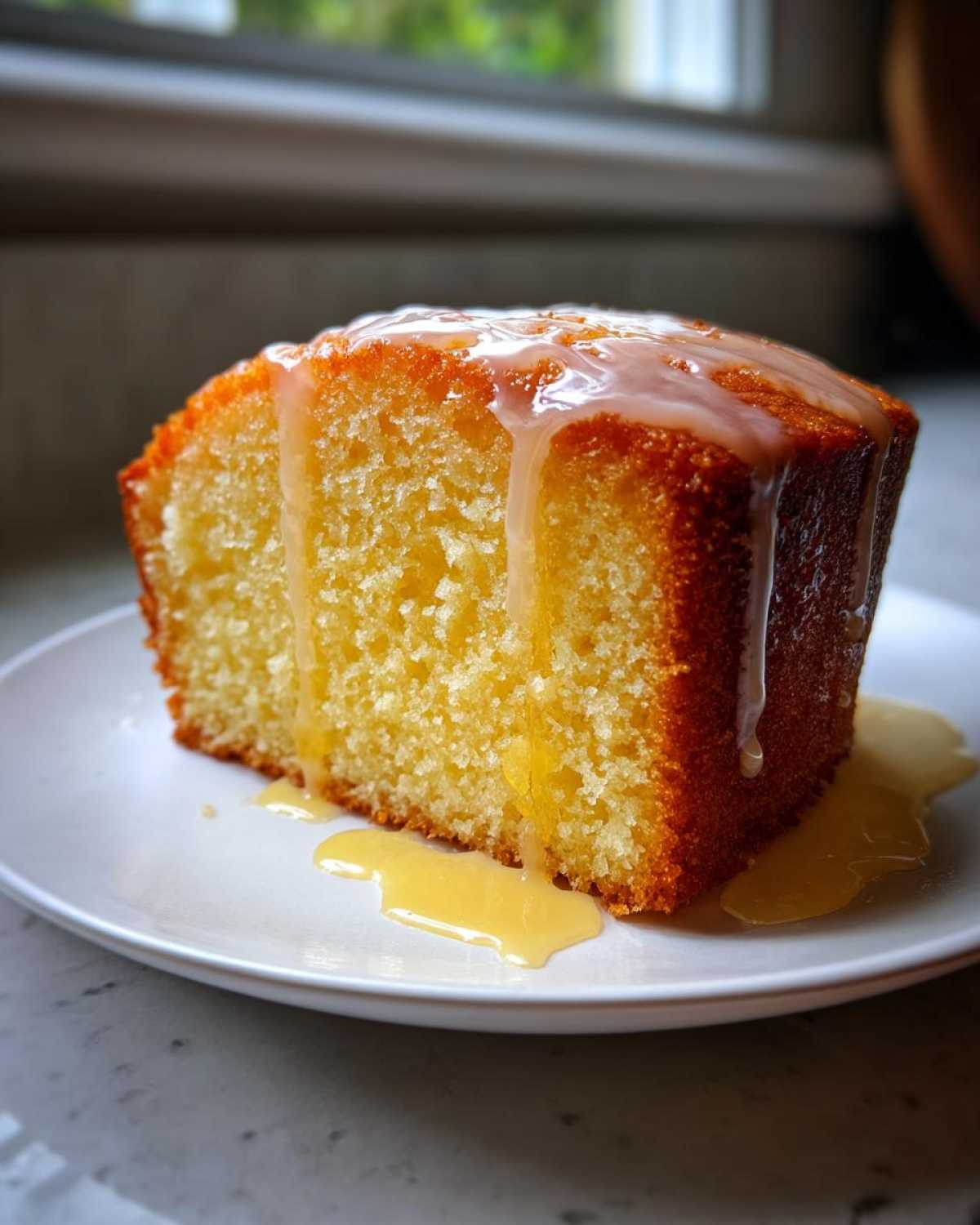
If you’re feeling extra fancy or want to bring the richest dessert to a potluck, try serving a slice warmed up just slightly with a scoop of vanilla bean ice cream. That hot/cold contrast is just heavenly! Or, if you’re feeling inspired by another recipe we perfected, you could even top it with a drizzle of warm fruit topping, maybe my warm peach cobbler sauce, though that’s totally decadent!
Frequently Asked Questions About This Lemon Pound Cake
I always love seeing what questions people have after they bake this cake because it means you’re totally invested in getting it perfect! Since this is easily the best lemon pound cake recipe I’ve ever made, I wanted to answer the ones I hear most often about texture and flavor variations. If you have more questions, drop by our main blog page and leave a comment!
Can I substitute the sour cream in this moist lemon pound cake?
That’s a great question, especially if you’re out of sour cream! Yes, you absolutely can make a swap in this moist lemon pound cake. I would suggest using plain Greek yogurt as the closest substitute. It gives you that wonderful tang and fat content that helps keep the crumb tender. You can usually swap it one-for-one cup for cup.
If you don’t have Greek yogurt, buttermilk works too! Buttermilk is a little thinner, so you might want to add just slightly less of it, maybe start with 3/4 cup, and then add a touch more milk if the batter seems too stiff. Just remember, the sour cream really contributes to that classic dense yet creamy texture, so the results might vary slightly, but it will still be delicious!
How do I get the thickest lemon pound cake with glaze?
Oh, you want that gorgeous, thick, crinkly top crust on your lemon pound cake with glaze? The secret is timing! When the cake comes out of the oven, the heat is intense, and you want that glaze to soak *in* to make the cake moist, not melt *off* instantly.
Let the cake cool in the pan for the suggested 15 minutes. Then, when you invert it and poke those holes, you need to let it cool down a bit more on the rack before pouring the icing on. Instead of pouring it when it’s piping hot, wait until it’s just pleasantly warm to the touch—maybe another 10 minutes after you’ve inverted it. When the cake is cooler, it absorbs the liquid glaze much slower, allowing the sugar mixture to sit on top longer and set into a beautiful, thicker layer. Less absorption equals a thicker top coating!
Is this recipe similar to an Italian lemon pound cake?
That’s interesting because people often ask about the difference between our traditional Southern-style pound cake structure and the Italian lemon pound cake versions they see online. Those Italian versions are wonderful, but they often rely on olive oil instead of primarily butter, and sometimes they use a different type of citrus or a full soak syrup instead of just a glaze.
Our recipe leans into that buttery richness, which gives you a classic slightly firmer crumb—perfect for slicing! While both are incredibly zesty, because we use that much lemon zest and the sour cream, our zesty lemon cake delivers an intense brightness that rivals those Italian favorites. You get all the bold citrus flavor without changing the base structure too much!
Nutritional Snapshot of Your Homemade Lemon Loaf Cake
Okay, now that we’ve talked about making magic, let’s touch quickly on the finished product—the nutrition for our homemade lemon loaf cake. I’ll be honest, when I’m whipping up something this buttery and sweet, I’m not usually counting calories! This is indulgence, right? But since you asked about everything involved in making this cake from scratch, here is a basic snapshot based on the recipe quantities.
Please remember this is just an estimate! How much butter you use, or if you really load up on that glaze, changes everything. This is using the standard portion sizes we wrote down, so take it as a fun guideline, not gospel.
- Serving Size: 1 slice
- Calories: Around 450 (Wow, that’s a rich slice!)
- Sugar: Approximately 55g (That’s the sugar in the cake PLUS the glaze!)
- Fat: About 24g total (That’s the butter and sour cream doing their job!)
- Protein: About 5g
- Carbohydrates: Around 58g
See? Delicious, but definitely a treat! When I bring this lemon pound cake to gatherings, I always serve it with a side of fresh fruit because it feels a little more balanced. Enjoy every single bite, you deserve it after all that creaming work!
Share Your Zesty Lemon Cake Creations
Whew! We made it to the end! I hope you are already smelling that beautiful citrus aroma wafting from your kitchen right now. That is the smell of accomplishment, friend!
When Anya, Sasha, and I finish a baking session, the best part is seeing the final, beautiful, glazed masterpiece. We truly put our hearts into creating the best lemon pound cake recipe for you, and now I want to see yours! Did you serve it on a tall cake stand? Did you decide to go for the extra zesty syrup soak? Did you manage to keep any leftovers past the first day? (I never do!)
Please, please, please come back here after you’ve had a slice and let us know what you thought! Leaving a star rating helps other bakers find this recipe, and your specific notes about your oven or pan make this whole Savor Sensations community stronger.
If you snapped a picture—and honestly, with this lemon pound cake, you probably did—tag us on social media! We absolutely live for seeing our recipes come to life in your homes. It really makes all the mixing and the measuring worth it to know we helped create a happy moment in your day. If you have any last-second questions that popped up while you were mixing, you are always welcome to reach out directly through our contact page. Happy baking, and enjoy every last, buttery, tangy crumb!
PrintThe Best Moist Lemon Pound Cake with Tangy Glaze

You will love this incredibly moist lemon pound cake recipe, featuring bright, zesty lemon flavor and topped with a simple, tangy lemon icing. This is the best lemon pound cake recipe from scratch you will make.
- Prep Time: 20 min
- Cook Time: 70 min
- Total Time: 90 min
- Yield: 12 servings
- Category: Dessert
- Method: Baking
- Cuisine: American
- Diet: Vegetarian
Ingredients
- 1 1/2 cups (3 sticks) unsalted butter, softened
- 3 cups granulated sugar
- 4 large eggs, room temperature
- 1 tablespoon fresh lemon zest (from about 3 lemons)
- 1/4 cup fresh lemon juice
- 1 cup sour cream, room temperature
- 1 teaspoon vanilla extract
- 3 cups all-purpose flour
- 1 teaspoon baking powder
- 1/2 teaspoon salt
- For the Glaze: 2 cups powdered sugar
- For the Glaze: 4 tablespoons fresh lemon juice
Instructions
- Preheat your oven to 325°F (160°C). Grease and flour a 10-inch tube pan or Bundt pan.
- In a large bowl, cream together the softened butter and granulated sugar with an electric mixer until the mixture is light and fluffy, about 5 minutes.
- Beat in the eggs one at a time, mixing well after each addition.
- In a small bowl, whisk together the lemon zest, 1/4 cup lemon juice, sour cream, and vanilla extract. Set this aside.
- In a separate medium bowl, whisk together the flour, baking powder, and salt.
- Gradually add the dry ingredients to the butter mixture, alternating with the wet sour cream mixture, beginning and ending with the dry ingredients. Mix only until just combined; do not overmix.
- Pour the batter evenly into your prepared pan.
- Bake for 65 to 75 minutes, or until a wooden skewer inserted into the center comes out clean.
- Let the cake cool in the pan on a wire rack for 15 minutes.
- While the cake cools slightly, prepare the glaze: Whisk together the powdered sugar and 4 tablespoons of lemon juice until smooth. Add more powdered sugar or juice, one teaspoon at a time, to reach a thick but pourable consistency.
- Invert the cake onto the wire rack set over a baking sheet (to catch drips). Poke holes all over the top of the warm cake using a skewer or toothpick.
- Pour the tangy lemon icing evenly over the warm cake, allowing it to soak in and drip down the sides.
- Let the glaze set completely before slicing and serving your moist lemon pound cake.
Notes
- For an extra zesty flavor, you can soak the cake with a simple syrup made from 1/4 cup lemon juice and 1/4 cup sugar poured over it while it is still warm, before applying the main glaze.
- Using room temperature ingredients like butter, eggs, and sour cream helps create a smoother batter and a more tender crumb.
- If you prefer a loaf cake, divide the batter between two standard loaf pans and reduce the baking time to about 45-55 minutes.
Nutrition
- Serving Size: 1 slice
- Calories: 450
- Sugar: 55g
- Sodium: 250mg
- Fat: 24g
- Saturated Fat: 15g
- Unsaturated Fat: 9g
- Trans Fat: 0.5g
- Carbohydrates: 58g
- Fiber: 1g
- Protein: 5g
- Cholesterol: 90mg
