

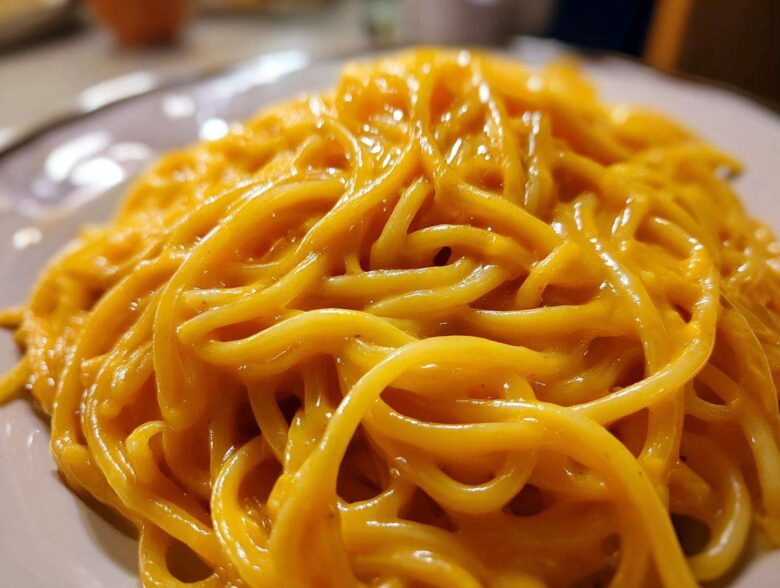
When the air gets that crisp bite, you just crave something cozy, right? I live for those flavors, which is why I spent basically all of last autumn trying to perfect the ultimate butternut squash pasta sauce. Forget those watery, bland versions you sometimes see—we are going for silkiness here! The secret sauce, quite literally, is in how we treat that squash. I’ve tried steaming, boiling, microwaving… nope. Roasting it low and slow until it’s practically melting changes everything. Trust me on this one; once you master this roasting method, you’ll have a stunning, rich, and incredibly creamy sauce ready faster than you can decide what movie to put on. It’s pure comfort in a bowl, and it’s so much easier than you think!
Why This Creamy Butternut Squash Pasta Sauce is Your New Favorite
This butternut squash pasta sauce isn’t just another seasonal dish; it’s that magical recipe you pull out when you want something decadent but need it fast. It hits all the right notes!
- It’s incredibly adaptable for whatever you’re eating—vegan, dairy-free, or just veggie-heavy nights are covered.
- The flavor is deep, savory, and feels much more complicated than the effort required.
- You can whip up the sauce base while your pasta water boils.
Quick Prep for Weeknight Pasta Sauce
Honestly, the best part about this recipe is how little time it spends on the cutting board. Seriously, that 15 minutes of prep time is accurate! That means you can officially upgrade your Tuesday night rotation with this amazing weeknight pasta sauce without stressing about cleanup later.
Achieving the Ultimate Creamy Butternut Squash Sauce Texture
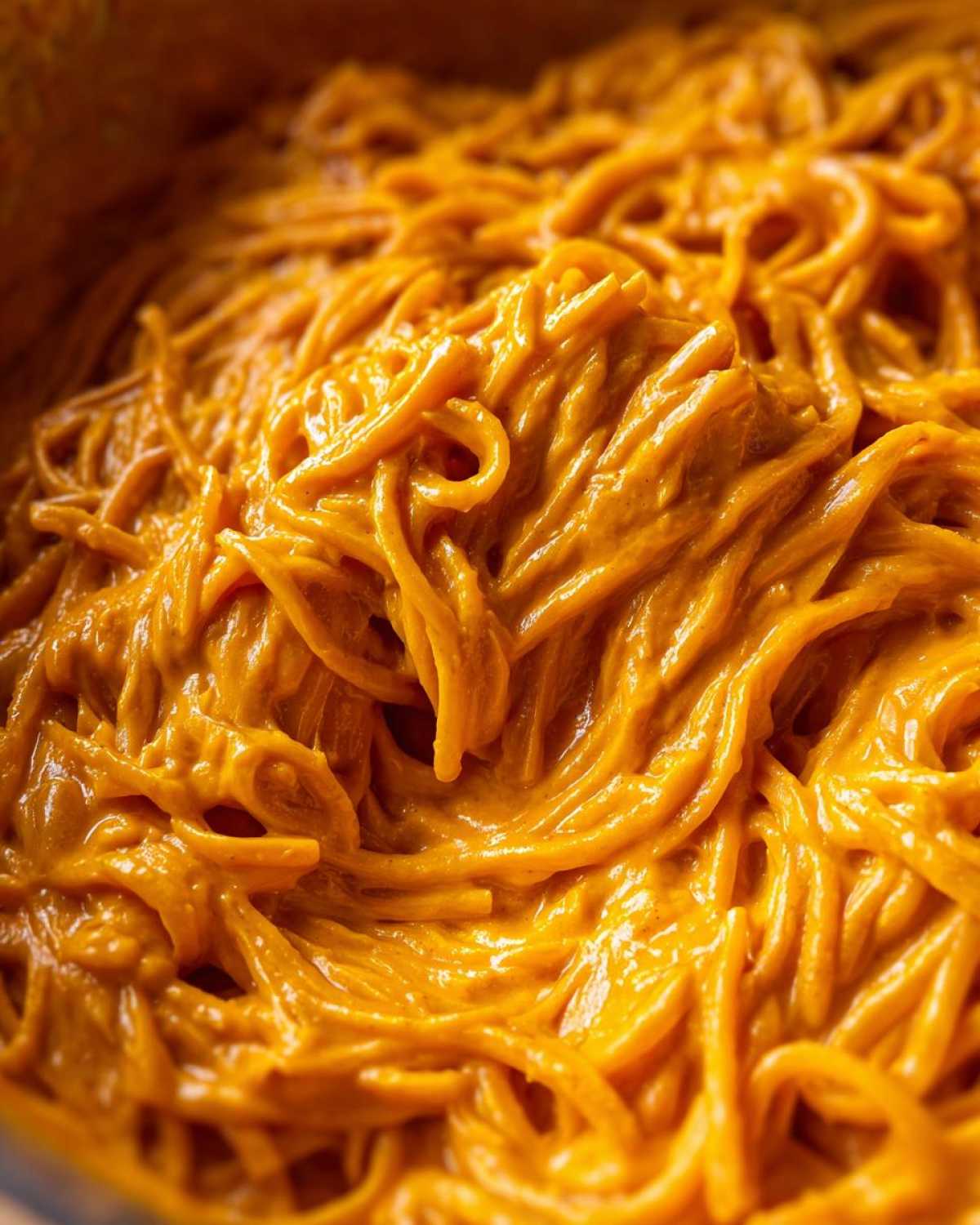
If you’re worried about heavy cream or tons of oil, don’t be! By roasting the squash until it’s deeply caramelized and scoopable, we get all that natural sweetness and body. That intense roasting is the secret to the most incredible, velvety creamy butternut squash sauce you’ve ever blended. It’s like velvet!
Check out my ideas for a similar pumpkin alfredo pasta recipe if you want another smooth, dreamy sauce!
Essential Ingredients for Perfect Butternut Squash Pasta Sauce
To make this butternut squash pasta sauce truly sing, you can’t skimp on quality, especially with the squash itself! Quantities are important here because we’re aiming for a specific thick consistency that coats the pasta perfectly. Here is exactly what you’ll need to gather before starting those veggies:
- 1 medium butternut squash (aim for about 3 lbs when whole)
- 2 tablespoons olive oil, split between roasting and sautéing
- 1 small yellow onion, finely chopped
- 3 cloves garlic, minced—don’t skimp on the garlic, seriously!
- 1/2 cup vegetable broth
- 1/4 cup nutritional yeast (if you want that cheesy depth)
- 1 teaspoon dried sage
- 1/2 teaspoon salt
- 1/4 teaspoon black pepper
- 1 pound of your absolute favorite pasta
Ingredient Notes and Substitutions
The nutritional yeast might look weird if you haven’t used it before, but it’s what gives this sauce its cheesy, savory kick without needing any dairy in sight. That’s our little secret weapon for making this dairy free pasta sauce so rich!
Also, about that sage: dried works great and is super easy, but if you happen to have fresh sage on hand? Go for it! The recipe notes suggest sautéing about 1 teaspoon of just-chopped fresh sage alongside the garlic. It pops the flavor right off the charts.
If you’re looking for another warm, savory dish that uses squash, you absolutely have to check out my broccoli cheddar squash casserole!
Step-by-Step Instructions for Roasted Squash Sauce
Okay, this is where the magic happens, and it’s honestly less stressful than it sounds. We basically let the oven do all the heavy lifting for our butternut squash pasta sauce, which is my favorite way to cook! Just follow these steps in order, and you’ll be eating dinner in about an hour.
Roasting the Squash for Deep Flavor
First things first: preheat your oven to 400 degrees Fahrenheit, or 200 Celsius if you use that scale. Grab your squash, cut it right down the middle lengthwise, and use a spoon to scoop out all those slimy seeds. Rub the cut sides generously with about 1 tablespoon of olive oil, then dust with salt and pepper. Place them cut-side down on a baking sheet. They need a good long bake—35 to 45 minutes! You’ll know they’re done when you can easily pierce the skin with a fork. Let them cool down just a touch so you don’t burn yourself, then scoop that beautiful, soft flesh right out of the skin into a bowl.
Building the Flavor Base and Blending the Butternut Squash Pasta Sauce
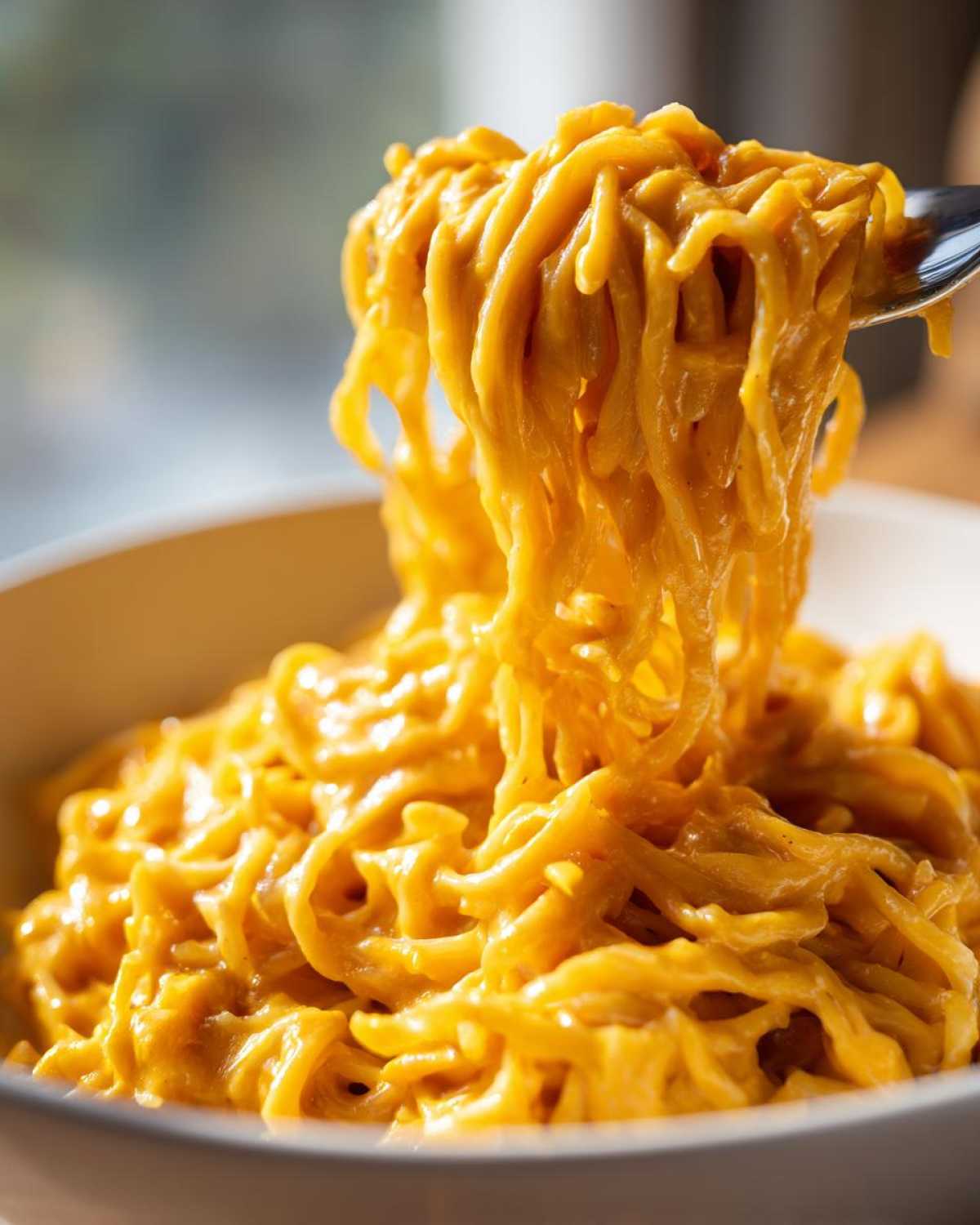
While that squash is roasting away, heat up the remaining olive oil in a saucepan. Toss in your chopped onion and cook until it looks nice and soft, which takes about five minutes. Then, throw in the minced garlic and the dried sage—only cook for about one minute until you can really smell that sage aroma! Now, the fun part: transfer that squash flesh, the cooked onion/garlic mixture, the vegetable broth, and the nutritional yeast (if you’re using it!) into your high-speed blender. Blend, blend, blend! Keep going until that sauce is absolutely, completely smooth and creamy. If it looks too thick for your liking, just splash in a bit more broth until it flows right. Taste test for salt and pepper, and then you’re ready for the noodles!
If you want to deepen that roasted flavor even more, take a peek at my instructions for a roasted root vegetable medley recipe for general roasting tips!
Tips for the Best Homemade Squash Sauce
Even with a great base recipe, a few little tricks can turn your homemade squash sauce from good to absolutely incredible. I learned these little hacks over a few attempts where I thought I knew better than the recipe card—oops!
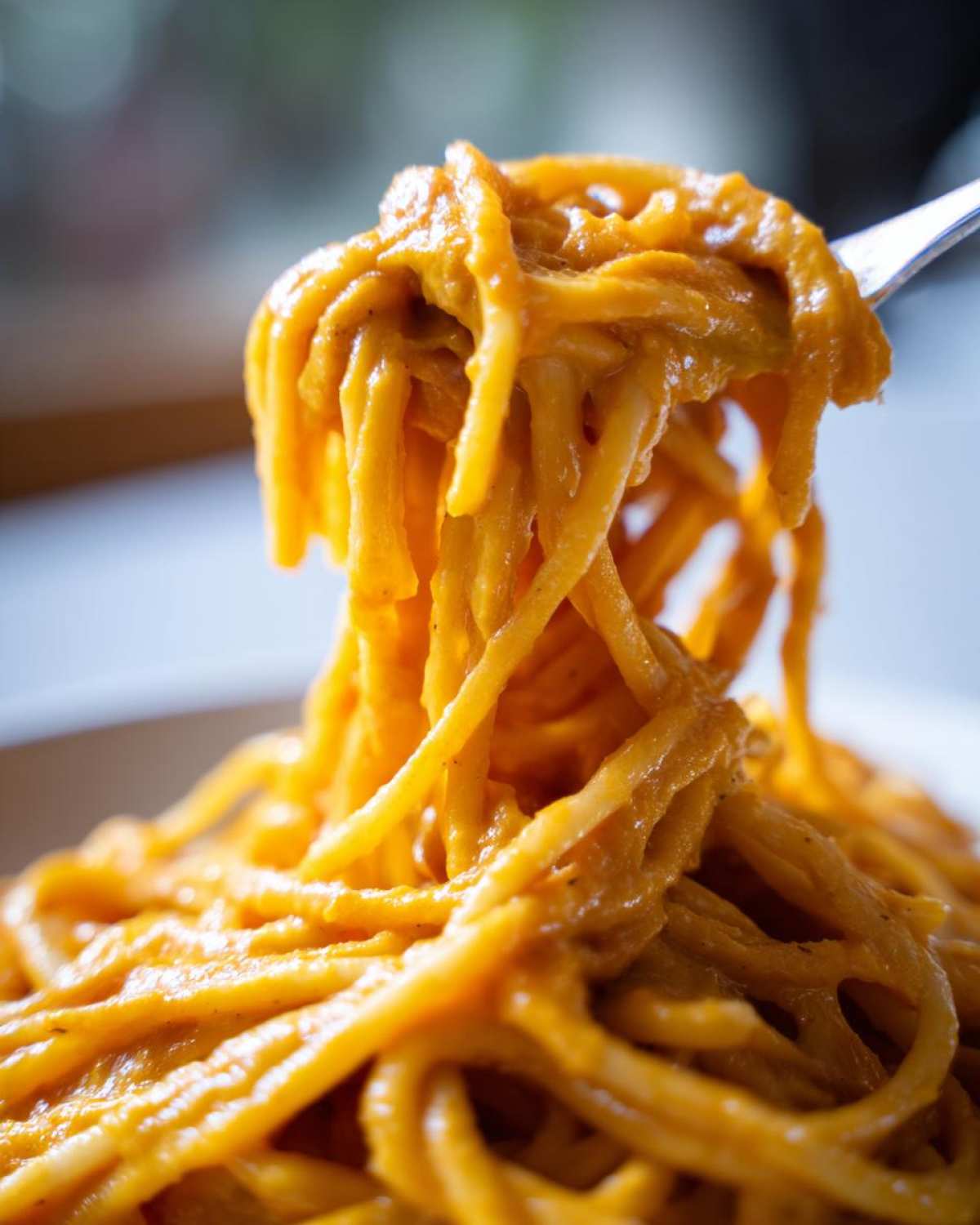
The most important tip I can give you involves the pasta water. Seriously, never dump all that starchy goodness down the drain! When you mix the thick squash sauce with the pasta, that reserved water is liquid gold. It helps the sauce cling tight to every noodle instead of sliding off into a puddle at the bottom of the bowl. Add it slowly, tablespoon by tablespoon, until you get that perfect, luscious coating.
Another thing I only do now: when roasting the squash, try drizzling just a tiny bit of maple syrup over the flesh before it goes into the oven. It caramelizes a little bit while roasting, which adds this gorgeous undertone that elevates the whole dish tremendously. It makes it taste like you spent hours simmering, not just 45 minutes waiting for the oven to do its thing.
If you enjoy learning about specific baking science, I have some fascinating notes on creaming butter for cakes over at my post about olive oil cake with lemon glaze!
Serving Suggestions for Your Butternut Squash Pasta Sauce
Now that you have this gorgeous, rich butternut squash pasta sauce coating your noodles, we have to make sure the vessel matches the masterpiece! Since this sauce is so wonderfully smooth and substantial, you want a pasta shape that gives it something to grab onto. Think ridged pasta like penne or rigatoni, or maybe even some satisfying shells.
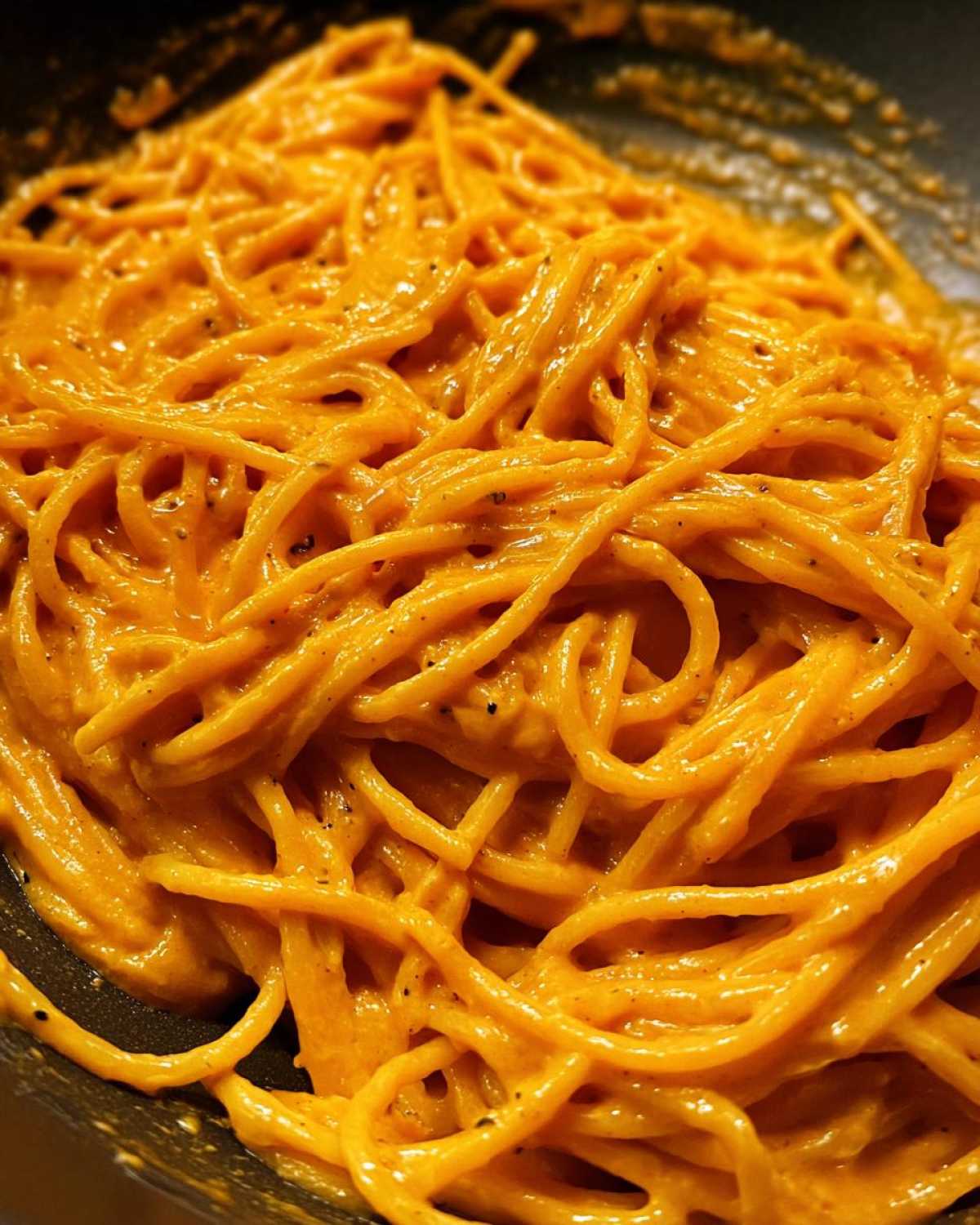
This really brings out the best in comfort food pasta. For garnishes, I always suggest a sprinkle of toasted pecans or walnuts—the crunch is just perfect against the creamy texture. A little grating of fresh Parmesan on top when serving (if you aren’t keeping it vegan) or a few fresh sage leaves sprinkled over everything makes it look professional. For more hearty pasta inspiration, you should see my recipe for brussels sprouts and bacon pasta!
Dietary Variations: Vegan and Dairy Free Pasta Sauce Options
I know so many of you are looking for recipes that fit specific diets, and honestly, this butternut squash pasta sauce is a dream ingredient because it naturally leans towards being super accommodating! As written, it’s completely vegan and dairy-free, thanks to that little bit of nutritional yeast we blend in. That yeast mimics that rich, slightly tangy finish you get from cheese without any dairy products whatsoever.
But hey, I love cheese just as much as the next person! So if you’re making this for a non-vegan friend or just craving something richer, you have a couple of easy swaps. You can skip the nutritional yeast entirely and instead blend in about 1/2 cup of heavy cream or even full-fat coconut milk right along with the roasted squash. If you’re doing that route, I definitely recommend topping it with a big wedge of sharp Parmesan cheese!
If you’re looking for more plant-based inspiration where beans step in for meat, don’t forget to check out my recipe for vegan lentil shepherd’s pie—that one is pure comfort food!
Storage and Reheating Your Butternut Squash Pasta Sauce
Listen, sometimes dinner prep is so good that you just *have* to make extra! Good news: this butternut squash pasta sauce stores like a dream, which means future weeknights are already covered. You definitely want to make sure the sauce is completely cooled down before you think about freezing it, okay? That’s rule number one for preventing freezer burn or weird texture changes.
Pop the cooled sauce into an airtight container, and you can keep it happily tucked away in your freezer for up to three whole months! When you’re ready to use it, I strongly recommend reheating it on the stove over medium-low heat. You might need to thin it out with a splash of water or extra broth while it’s warming up, but that’s your call depending on how thick you like it.
If you’re curious about other make-ahead meals, you might love my tips on meal prepping stews, like this slow cooker pot roast tender meal!
Frequently Asked Questions About This Pasta Sauce
It’s totally normal to have a few questions when you bring a new recipe into your kitchen, especially one that relies on roasting! I’ve done my best to answer the things I usually get asked about this amazing butternut squash pasta sauce. If I missed anything, just shoot me a message over at the contact page, and I’d be happy to chat.
Can I use frozen butternut squash for this butternut squash pasta sauce?
You certainly can if you’re really pressed for time! But listen, the texture won’t be quite as great. Frozen squash has a lot more water locked inside, and that water breaks down the cells differently during thawing. If you use frozen, you absolutely must cook it first until it’s soft—maybe steam it or roast it right from frozen—and then you might need to use much less broth in the blending step, or your creamy butternut squash sauce might end up thin.
What spices work well with this Fall Vegetable Pasta?
Sage and garlic are the classic pairing, but this savory base welcomes a little warmth! If you want to kick it up a notch and turn this into a truly memorable fall vegetable pasta, try adding just a tiny pinch of ground nutmeg right into the blender with the squash. It blends seamlessly! For a little heat that balances all that sweetness, a smaller pinch of cayenne pepper works wonders, too. It gives you a subtle warmth on the finish!
Share Your Creamy Butternut Squash Pasta Sauce Creations
Okay, that’s it! You’ve got the secrets for the creamiest, most comforting butternut squash pasta sauce on the block. This recipe yields about four satisfying servings, making it perfect for a small family dinner or having leftovers for lunch the next day—which I highly recommend!
I absolutely live to see what you all create in your kitchens. When you make this, please do me a favor and stop by the main blog page, leave a rating below the recipe card, and tell me how it turned out! Did you use fresh sage or dried? Did you add that pinch of nutmeg, or did you skip the nutritional yeast? I want to know all the details about your perfect bowl of comfort food pasta!
Happy cooking, friends. I hope this sauce brings as much warmth to your table as it does to mine!
PrintCreamy Roasted Butternut Squash Pasta Sauce
Make a rich, creamy pasta sauce using roasted butternut squash, garlic, and sage. This recipe is easy to prepare and works well for a weeknight dinner.
- Prep Time: 15 min
- Cook Time: 45 min
- Total Time: 60 min
- Yield: 4 servings
- Category: Dinner
- Method: Roasting and Blending
- Cuisine: American
- Diet: Vegan
Ingredients
- 1 medium butternut squash (about 3 lbs)
- 2 tablespoons olive oil, divided
- 1 small yellow onion, chopped
- 3 cloves garlic, minced
- 1/2 cup vegetable broth
- 1/4 cup nutritional yeast (for cheesy flavor, optional)
- 1 teaspoon dried sage
- 1/2 teaspoon salt
- 1/4 teaspoon black pepper
- 1 pound pasta of your choice
Instructions
- Preheat your oven to 400 degrees Fahrenheit (200 degrees Celsius). Cut the butternut squash in half lengthwise and scoop out the seeds. Rub the cut sides with 1 tablespoon of olive oil, salt, and pepper. Place cut-side down on a baking sheet.
- Roast the squash for 35 to 45 minutes, or until it is very tender when pierced with a fork. Let it cool slightly, then scoop the flesh out of the skin into a bowl.
- While the squash roasts, heat the remaining 1 tablespoon of olive oil in a medium saucepan over medium heat. Add the chopped onion and cook until soft, about 5 minutes. Add the minced garlic and dried sage and cook for 1 minute more until fragrant.
- Transfer the roasted squash flesh, cooked onion and garlic mixture, vegetable broth, and nutritional yeast (if using) to a high-speed blender or food processor.
- Blend until the sauce is completely smooth and creamy. Add more broth if you prefer a thinner consistency. Taste and adjust salt and pepper as needed.
- Cook your pasta according to package directions. Drain the pasta, reserving about 1/2 cup of the starchy cooking water.
- Return the drained pasta to the pot. Pour the butternut squash sauce over the pasta. Toss to coat, adding reserved pasta water a tablespoon at a time until the sauce clings nicely to the noodles. Serve immediately.
Notes
- For a richer flavor, roast the squash halves with a drizzle of maple syrup before blending.
- This sauce freezes well. Cool completely before storing in an airtight container for up to 3 months.
- Use fresh sage instead of dried; sauté 1 teaspoon of chopped fresh sage with the garlic.
Nutrition
- Serving Size: 1 serving (approx. 1 cup sauce + 4 oz pasta)
- Calories: 450
- Sugar: 12
- Sodium: 350
- Fat: 10
- Saturated Fat: 1.5
- Unsaturated Fat: 8.5
- Trans Fat: 0
- Carbohydrates: 75
- Fiber: 10
- Protein: 18
- Cholesterol: 0
