

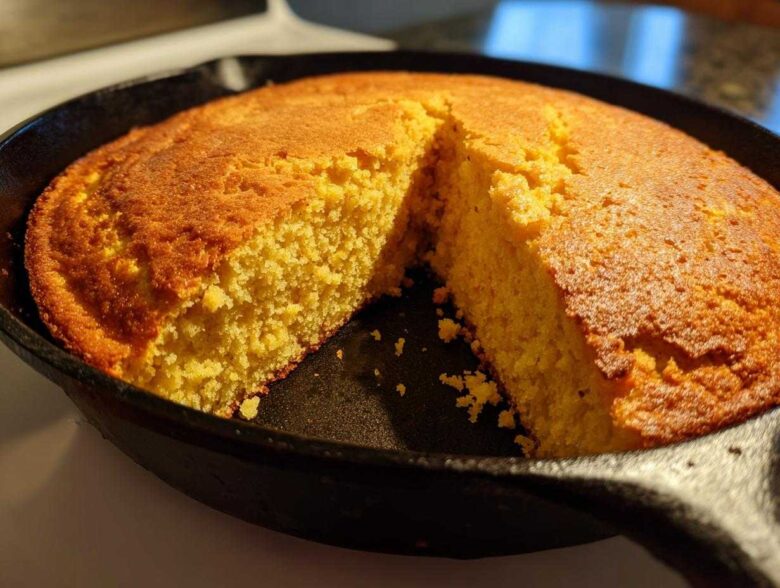
Oh, there is nothing in the entire world that beats the sound and feel of that first slice cutting through a perfect, piping-hot loaf of homemade cornbread. I’m talking about that magnificent crunch when your fork hits the edge—that signature sound that tells you everything went right. Forget the overly sweet, cake-like versions that confuse dessert with dinner; we are making the real deal today. This is my recipe for Authentic Southern Cast Iron Skillet Cornbread, relying on buttermilk and a little bit of magic to make it savory, tender, and exactly what you want next to a big bowl of chili. Baking something this rustic and simple in cast iron just centers me. It reminds me that the true joy in cooking isn’t complexity; it’s making something honest and delicious with a few sturdy ingredients. This is the skillet cornbread that will make everyone ask for seconds.
Why This Authentic Southern Skillet Cornbread Recipe Works
I know you’ve probably tried a few cornbread recipes that promised the world but delivered something fluffy and sweet. This one? This is different. This is designed for pure, rustic satisfaction. It’s the savory side dish that holds up to heavy toppings because it’s baked right in the skillet. It’s quick enough for a last-minute addition to dinner, too! Honestly, when Anya and Sasha first tasted this, they stole half of it before it even cooled down. For more of our kitchen adventures, check out our main blog page at Savor Sensations blog.
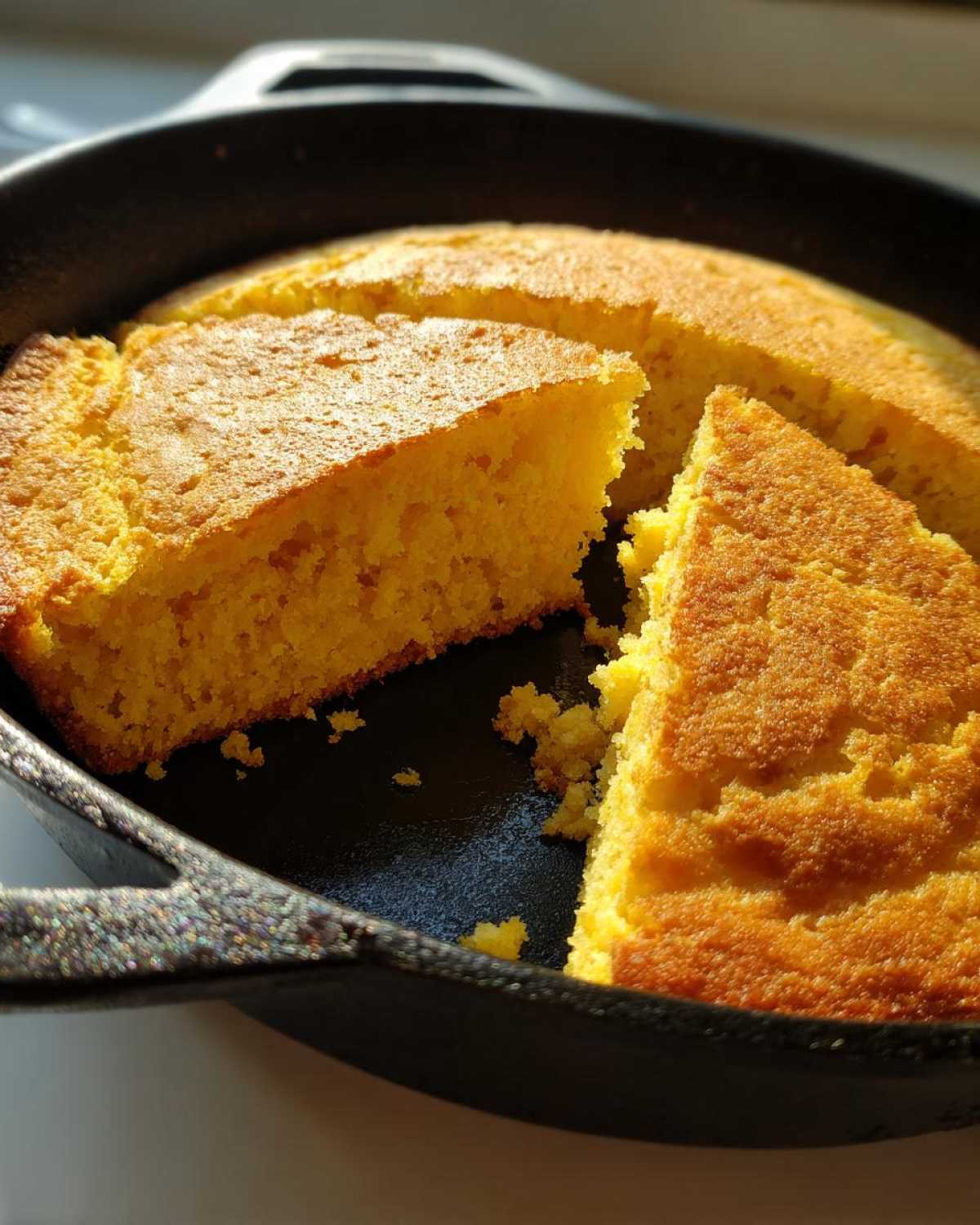
- It delivers those legendary, shatteringly crispy skillet cornbread edges every single time.
- The crumb stays gorgeously moist despite having zero added sugar.
- It’s genuinely quick—you can have this rustic bread on the table in about 30 minutes total.
- The savory flavor profile is exactly what a true Southern Style Cornbread should be.
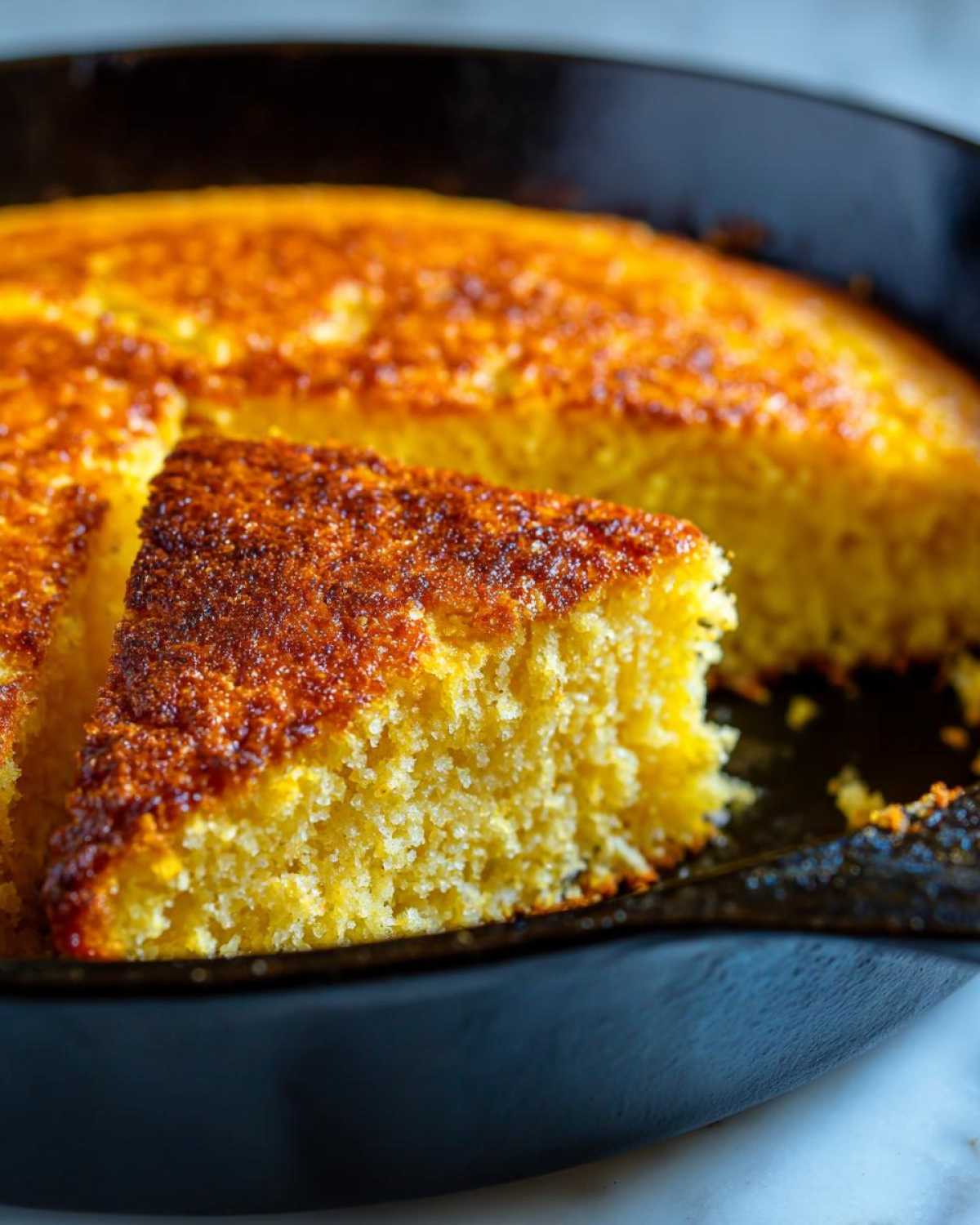
Achieving Crispy Skillet Cornbread Edges Every Time
Okay, listen up, because this is the step that separates mediocre cornbread from phenomenal skillet cornbread. You absolutely must preheat your cast iron skillet! Pop it in the oven when you turn the oven on to get it screaming hot. When you pour that batter into that shimmering-hot fat, you get that instant sizzle—that’s the sound of perfection beginning. Seriously, don’t skip that step!
The Secret to Moist Buttermilk Cornbread Texture
In our many late-night kitchen debates, we learned that the right liquid is essential for a moist buttermilk cornbread. Buttermilk brings acidity that reacts with the baking soda, giving you lift, but it also keeps things tender. The second secret? Stop stirring! Once those wet and dry ingredients meet, work quickly and gently. Overmixing develops the gluten in the flour, and suddenly, your tender skillet cornbread turns into something chewy. We want tender, not tough!
Ingredients for Your Classic Skillet Cornbread Recipe
When Sasha and I first tried to nail down this skillet cornbread recipe, we realized we had to be super specific about the ingredients. Because we’re going for that authentic, savory Southern Style Cornbread, every measurement counts. You don’t need a million things, which is why this is such an easy skillet bread recipe! I’m listing everything out here for you below. If you’re looking for other quick savory bakes, you might want to check out my recipe for savory zucchini cheese muffins.
Remember, the fat you use to heat the pan makes a huge difference in the overall flavor profile. If you have it, please use the bacon grease for that deep, rich taste!
- 1 cup yellow cornmeal
- 1 cup all-purpose flour
- 1 tablespoon baking powder
- 1 teaspoon salt
- 1/2 teaspoon baking soda
- 1 cup buttermilk
- 1/2 cup milk
- 2 large eggs
- 1/4 cup vegetable oil or bacon grease (this goes right into the batter)
- 3 tablespoons bacon grease or unsalted butter (this is the magic fat that goes into seating the hot skillet)
Step-by-Step Instructions for Perfect Skillet Cornbread
If you follow these steps exactly, you are going to end up with the most incredible skillet cornbread imaginable. This isn’t a passive baking recipe; we have to work quickly once the heat comes into play. Because we are keeping this easy and quick, we can get from mixing bowl to table in about 30 minutes—perfect for a weeknight side dish! If you’ve already mastered this classic process and are looking for another simple bake, check out my favorite classic French toast recipe.
- Preheat that Oven (and the Pan!): Turn your oven to 400°F (200°C). Put that 10-inch cast iron skillet right into the oven while it heats up. We aren’t messing around here; the pan needs to be scorching hot!
- Mix the Dry Stuff: In a large bowl, you want to whisk together the cornmeal, flour, baking powder, salt, and baking soda until they are happy and combined.
- Mix the Wet Stuff: In a separate, slightly smaller bowl, whisk your buttermilk, milk, eggs, and that 1/4 cup of oil or bacon grease. Just get them mixed well, no need for excessive whisking.
- Combine Gently: Pour the wet ingredients into the dry ones. Stir everything just until you see the flour streaks disappear. Seriously, stop stirring right there! A lumpy batter is your best friend for this skillet cornbread.
- Get Ready to Sizzle: Carefully pull that searing hot skillet out of the oven. You need to move fast now! Drop those 3 tablespoons of bacon grease or butter right into the hot pan. Swirl it around until the fat is shimmering and totally coats the bottom and creeps up the sides.
- Pour and Listen: Pour your batter straight into that hot, greasy skillet. You should hear a loud, satisfying sizzle immediately! That sound is the beginning of those amazing crispy skillet cornbread edges.
- Bake It: Slide the skillet right back into the oven. Bake it for about 20 to 25 minutes. Keep an eye on it.
- Check for Doneness: The top should be golden brown and firm. Stick a toothpick right into the center—if it comes out clean, you are done! Let it rest in that pan for maybe five minutes before you slice it up.
Preparing the Cast Iron Skillet
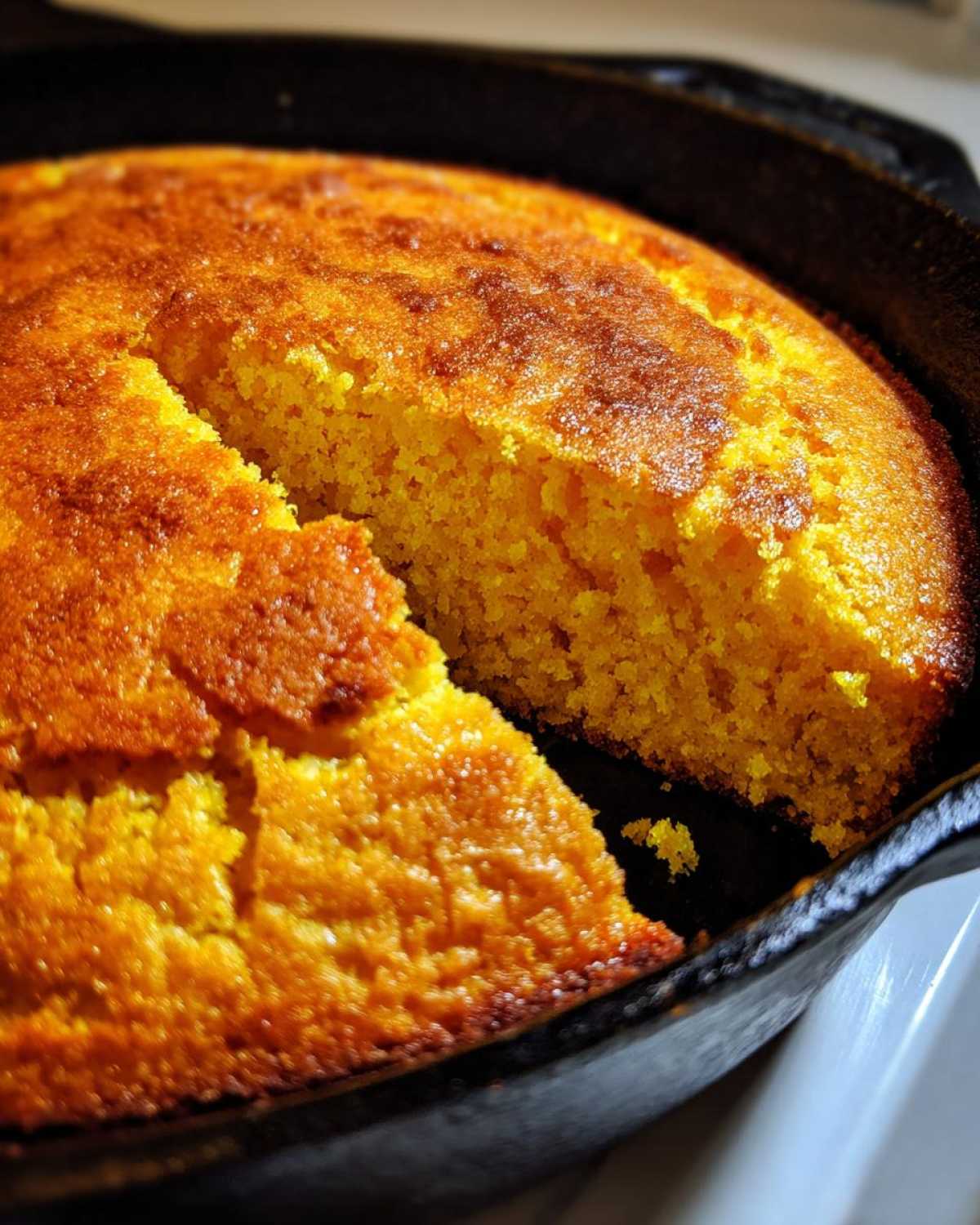
I can’t stress this enough: the cast iron is the secret weapon for getting those amazing Crispy Skillet Cornbread Edges. We put the skillet in the oven when the oven is cold so the pan heats up evenly with the air. Once it’s blazing hot, you pull it out, and that fat—whether it’s shimmering bacon grease or butter—needs to be hot enough to crackle when the cool batter hits it. That rapid heat transfer is what creates that golden, crunchy crust around the entire bottom and sides of your skillet cornbread.
Mixing the Batter: Do Not Overmix
This is where Sasha usually has to physically take the spoon out of my hand! When you add the liquids to the dry ingredients, you want to stir just until you no longer see big white patches of flour. Lumps are perfectly fine, even encouraged! If you mix until it’s perfectly smooth, you are developing gluten, and gluten makes bread tough. We are making fluffy, tender Moist Buttermilk Cornbread here, not bread putty. A few lumps mean a better texture, trust me on this one.
Expert Tips for Southern Style Cornbread Baking
Now that you have the foolproof steps down for this skillet cornbread, let me share a few little tricks I’ve picked up over the years. Anya always says that good baking is about following the rules, but great baking is about understanding why the rules exist. These aren’t strict requirements, but they are the things that push my Homemade Cornbread Recipe over the top from “good” to “why didn’t I make this sooner?”
First off, if you can plan ahead a tiny bit, letting your eggs and buttermilk sit out on the counter for about 20 minutes to come closer to room temperature helps them mix better with the fats. This leads to a smoother emulsion and ultimately gives you a cleaner rise in the oven. And remember what I said earlier? That buttermilk is absolutely key—it’s non-negotiable if you want that perfect Moist Buttermilk Cornbread texture.
For more baking insights and behind-the-scenes chat about Anya’s latest bread experiments, feel free to visit our main blog page anytime!
Ingredient Spotlight: Why Bacon Grease Matters
If you are going for that true, uncompromising Southern Style Cornbread flavor that doesn’t need any added sugar to shine, you simply have to consider the fat. While the recipe calls for 1/4 cup of vegetable oil in the batter for moisture, using the reserved bacon grease (that amazing liquid gold) instead of oil is how you get that deep, rich, savory baseline flavor. It marries perfectly with the cornmeal!
If you’re vegetarian or just ran out of grease, vegetable oil works just fine, trust me. But for those beautiful Crispy Skillet Cornbread Edges, make sure the 3 tablespoons you drop into that hot pan are bacon grease—that’s where the deepest flavor comes from. If you are curious about other takes on less-savory bread, I saw a lovely post about sweet cornbread with honey recently!
Variations: Making Your Skillet Cornbread Your Own
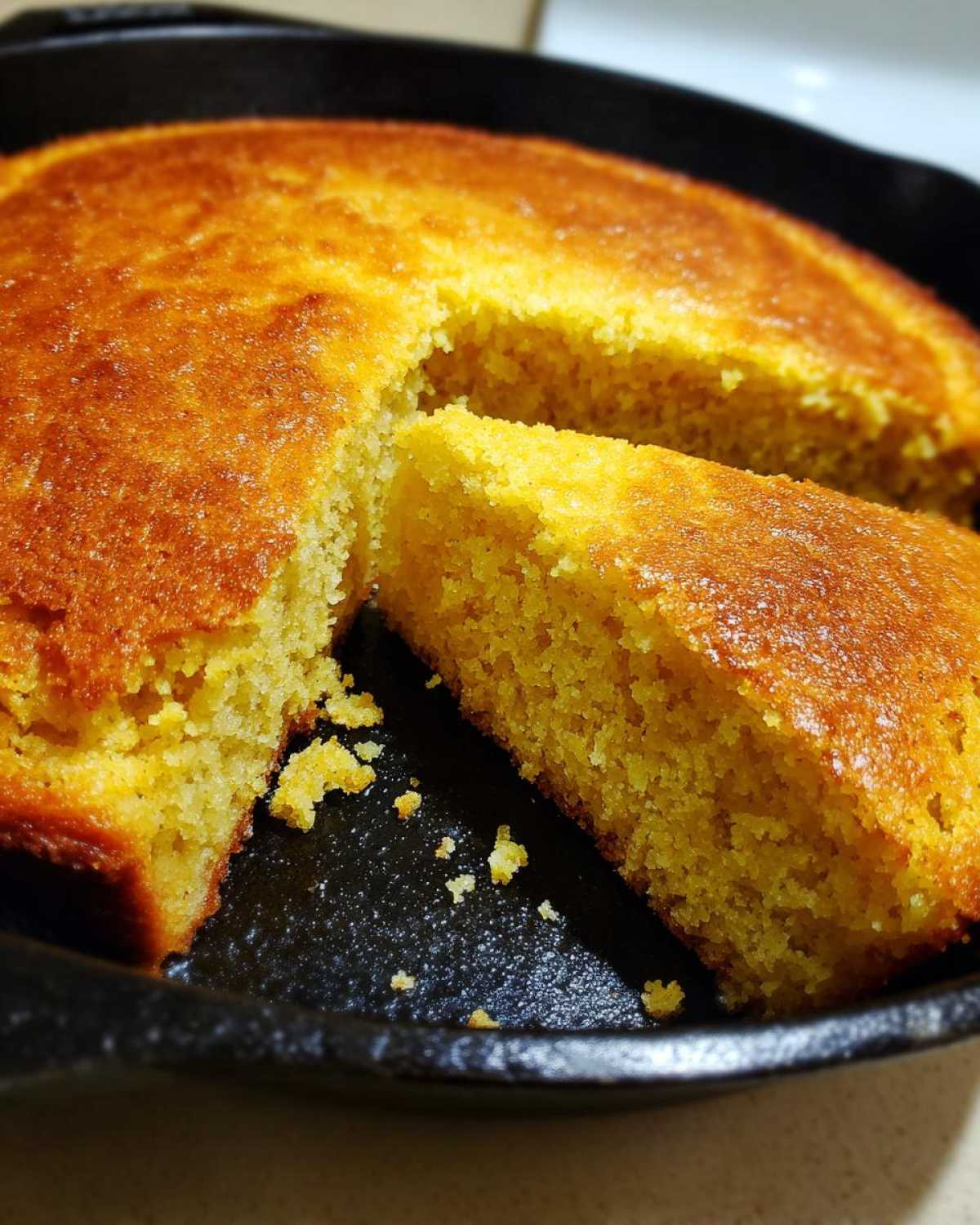
Look, I totally get it. While Sasha and I are obsessed with this wonderfully savory, no-sugar skillet cornbread recipe, sometimes you just want a little something extra, or maybe you like a whisper of sweetness even in your Southern bakes. That’s the beauty of cooking from scratch—you get to play around! This base recipe is sturdy and reliable, so adapting it is super easy. You can jazz this up for game day, or make it just a bit sweeter for the kids.
We’ve experimented a lot in our little kitchen headquarters. If you’re looking for quick, spicy flavor boosters that pair great with soups or chili, you might want to try my favorite cheddar jalapeno cornbread muffins, but you can rock those flavors right in the skillet, too!
Here are two simple ways you can pivot this recipe:
- Jalapeno Cheddar Skillet Cornbread: This is Sasha’s favorite addition! Right after you pour the batter into your hot, greased skillet (Step 6), gently sprinkle about 1/2 cup of shredded sharp cheddar cheese and 1/2 cup of finely diced pickled jalapenos over the top. The cheese will melt into the existing crust, creating gooey pockets, and the peppers give you a wonderful kick. It’s still savory, but with a fun bite!
- A Touch of Sweetness: If you’re used to a slightly sweeter bread, don’t introduce sugar to the dry mix—that messes with the rise. Instead, stir 1 tablespoon of honey directly into your wet ingredients along with the buttermilk and milk. It provides just enough sweetness to balance the sharp buttermilk tang without turning it into cake. It’s a subtle nod to those sweeter takes, like the one I saw published over at Cooking For My Soul.
The key thing to remember with any add-in for this skillet cornbread is to not introduce too much extra moisture, which is why we stick to cheese and peppers rather than adding things like wet corn kernels!
Serving Suggestions for This Rustic Bread Recipe
The best part about making this incredible skillet cornbread is that it’s not just good on its own—it’s the perfect supporting actor for so many Southern classics or cozy, hearty meals. When Anya and I were setting up our kitchen, we realized every great dish needs the right companion, and this bread is the ultimate companion.
Because we went the savory route with no added sugar, this cornbread is built to sop up flavor, not to fight it! If you’re looking for a perfect partner to soak up all the flavor, I highly recommend making a big pot of my favorite sweet potato black bean chili. That chili is so naturally flavored, and this cornbread is just begging to dive right into it.
Here are a few ways we love to serve up this rustic bread recipe:
- The Classic Soak: You simply can’t beat it crumbled right into a bowl of piping hot chili or hearty bean soup. The crispy edges soften just enough, but the inside still holds its structure beautifully.
- Greens are Good: This pairs wonderfully alongside slow-cooked greens like collards or mustard greens. The slightly sharp, savory flavor of the cornbread cuts through the richness of the greens perfectly.
- Top It Simple: If you have leftovers (which is rare in my house!), I just slice them thick the next morning and top them with a smear of good salted butter. If you want a slightly savory twist, try a little smear of cream cheese, too!
- Side for Sunday Dinner: Even if you skip the heavy chili, this skillet cornbread anchors any simple meal, from fried chicken to barbecue. It’s the definition of comfort food side dish.
Honestly, once it cools down enough that you don’t instantly burn your tongue, it’s ready. Don’t wait!
Storage and Reheating Your Homemade Cornbread Recipe
Even though this skillet cornbread is practically begging to be eaten immediately—and let’s be honest, mine rarely lasts past dinner—I know sometimes life happens. You have leftovers, which is a victory in itself! The good news is that because this recipe is baked in cast iron and relies on those sturdy ingredients like cornmeal and buttermilk, it holds up really well.
To store it, you want to let the cornbread cool completely first. If you wrap it while it’s warm, you trap steam, and that steam is the enemy of crispy crusts! Once it’s totally cool, wrap the slices tightly in plastic wrap or foil, or store them in an airtight container. It should stay fresh on the counter for about two days. If you need it to last longer, tuck it into the fridge for up to five days.
Now for the crucial part: reviving it. We worked so hard for those crusty edges, right? We can’t let them go soft!
- Oven Reheat (The Best Method): This is my favorite way because it brings back that original texture. Wrap a cooled piece or two loosely in foil, just enough to keep it from getting too dry. Heat it in a 350°F oven for about 8 to 10 minutes. This warms the inside beautifully and helps crisp up the bottom crust again.
- Microwave for Speed: If you’re in a huge rush—maybe you need a piece for a midnight snack—the microwave works, but be warned: it will soften the crust immediately. If you only have a minute, just place your slice on a paper towel and zap it for about 15 to 20 seconds. It’ll be hot and mostly soft, which is tasty in its own way, but you lose the crunch.
- No Sweet Cornbread Crumble: On day three, if the moisture is starting to fade a bit, don’t try to save the whole slice. Just crumble it up! Leftover bits of savory skillet cornbread are fantastic sprinkled over a big bowl of soup or chili—check out how I use leftover bits in my sweet potato black bean chili! It’s a great way to eliminate waste and add texture to another meal.
The main takeaway is that while refrigeration is fine, you always want to reheat it briefly in the oven if you’re seeking that perfect, rustic texture we worked so hard to achieve!
Frequently Asked Questions About Skillet Cornbread
I always get questions after folks try this recipe for the first time—usually because they can’t believe how simple it is for such amazing results! Cooking is all about learning, so please never hesitate to reach out if you have baking doubts. If you need to send me a specific question that isn’t covered here, you can always find our contact form over at Savor Sensations.
Can I use regular milk instead of buttermilk for this skillet cornbread?
That’s a great question that comes up a lot, especially when relying on this as a quick side dish! You certainly can use regular milk, but you’re going to miss out on that signature tender texture that Moist Buttermilk Cornbread has. Buttermilk’s acidity tenderizes the crumb beautifully. If you don’t have any on hand, don’t sweat it! You can easily make a quick substitute right now. Just take one cup of regular milk and stir in one tablespoon of white vinegar or lemon juice. Let it sit on the counter for about five minutes until it starts to look a little curdled. That’s your instant buttermilk replacement, and it works perfectly for this skillet cornbread recipe!
What is the best pan to use besides cast iron?
Honestly, I tell everyone they absolutely need a cast iron skillet. Nothing distributes heat the way it does, and that retained, even heat is what gives you those perfectly golden, Crispy Skillet Cornbread Edges all the way around. If you don’t have a 10-inch cast iron pan, though, don’t give up on making this! Your next best bet is any heavy-bottomed, oven-safe metal baking pan, like a sturdy steel cake pan or even a deep pie dish.
Just remember this: metal pans heat up faster than cast iron, so you might need to watch the skillet during that preheating phase a little more closely. You still want that fat shimmering hot, but you might shave off a couple of minutes from the preheat time so you don’t scorch the grease before you even pour in the batter for your Homemade Cornbread Recipe.
Why is my cornbread dry?
This is the saddest outcome, and usually, it comes down to one of two things we talked about earlier! If your skillet cornbread turns out dry, nine times out of ten, you overworked the batter. Remember how I said lumps were okay? Those lumps are pockets of unmixed flour that never developed gluten! Mixing until it’s perfectly smooth is the fastest path to a dry or tough loaf. The second likely culprit is timing. If you pull this Old Fashioned Cornbread Baking masterpiece out of the oven too late, it will dry out fast. A toothpick inserted in the center on removal should have moist crumbs clinging to it—not wet batter, but not bone dry either. Keep checking earlier next time!
Nutritional Estimates for This Easy Skillet Bread Recipe
When we talk about comfort food sides, we aren’t usually looking at the nutrition label, are we? But since we are all about enjoying food mindfully here in the kitchen, I wanted to give you a basic rundown on what you can expect from this deliciously savory, No Sugar Cornbread Classic. Since this recipe relies on bacon grease or vegetable oil, those numbers can shift depending on what you use, so please see these as helpful guidelines for your easy skillet bread recipe.
For all these details, remember that nutritional information is always just an estimate, especially when you’re doing things like substituting ingredients or using different types of fat. For official nutritional advice, you should always consult a qualified resource, or check out our general site disclaimer.
- Serving Size: 1 wedge (about 1/8th of the loaf)
- Calories: 240
- Fat: 12g
- Saturated Fat: 3g
- Carbohydrates: 28g
- Sugar: 2g (naturally occurring from cornmeal)
- Protein: 5g
See? A really fantastic savory side dish that fits right into a healthy meal plan, especially when paired with something high in protein like chili!
Nutritional Estimates for This Easy Skillet Bread Recipe
When we talk about comfort food sides, we aren’t usually looking at the nutrition label, are we? But since we are all about enjoying food mindfully here in the kitchen, I wanted to give you a basic rundown on what you can expect from this deliciously savory, No Sugar Cornbread Classic. Because this is the kind of Homemade Cornbread Recipe we make constantly, I always keep track of the general macros. Since this recipe relies on bacon grease or vegetable oil, those numbers can shift depending on what you use, so please see these as helpful guidelines for your easy skillet bread recipe.
For all these details, remember that nutritional information is always just an estimate, especially when you’re doing things like substituting ingredients or using different types of fat. For official nutritional advice, you should always consult a qualified resource, or check out our general site disclaimer.
- Serving Size: 1 wedge (about 1/8th of the loaf)
- Calories: 240
- Fat: 12g
- Saturated Fat: 3g
- Carbohydrates: 28g
- Sugar: 2g (naturally occurring from cornmeal)
- Protein: 5g
See? A really fantastic savory side dish that fits right into a meal plan, especially when paired with something high in protein like chili! This wonderful skillet cornbread really proves you don’t need tons of sugar to make something satisfying!
PrintAuthentic Southern Cast Iron Skillet Cornbread (No Sugar Added)
Make this classic Southern Skillet Cornbread in your cast iron pan for irresistibly crispy edges and a moist, savory center. It is the perfect, easy side dish for chili or any family meal.
- Prep Time: 10 min
- Cook Time: 25 min
- Total Time: 35 min
- Yield: 8 servings
- Category: Side Dish
- Method: Baking
- Cuisine: Southern American
- Diet: Vegetarian
Ingredients
- 1 cup yellow cornmeal
- 1 cup all-purpose flour
- 1 tablespoon baking powder
- 1 teaspoon salt
- 1/2 teaspoon baking soda
- 1 cup buttermilk
- 1/2 cup milk
- 2 large eggs
- 1/4 cup vegetable oil or bacon grease (for the batter)
- 3 tablespoons bacon grease or unsalted butter (for heating the skillet)
Instructions
- Preheat your oven to 400°F (200°C). Place a 10-inch cast iron skillet in the oven while it preheats.
- In a large bowl, whisk together the cornmeal, flour, baking powder, salt, and baking soda.
- In a separate medium bowl, whisk together the buttermilk, milk, eggs, and 1/4 cup of oil or bacon grease until combined.
- Pour the wet ingredients into the dry ingredients. Stir gently until just combined. Do not overmix; a few lumps are fine. This mixture makes a thinner batter, which helps achieve those crispy skillet cornbread edges.
- Carefully remove the hot skillet from the oven. Add the 3 tablespoons of bacon grease or butter to the hot skillet. Swirl the pan to coat the bottom and sides completely. The fat should be shimmering hot.
- Pour the batter immediately into the hot, greased skillet. It should sizzle when it hits the pan.
- Return the skillet to the oven and bake for 20 to 25 minutes, or until the top is golden brown and a toothpick inserted into the center comes out clean.
- Let the cornbread cool in the skillet for about 5 minutes before slicing and serving warm.
Notes
- Heating the skillet and fat until very hot is the secret to achieving those signature crispy skillet cornbread edges.
- If you prefer a slightly sweeter taste, you can add 1 tablespoon of honey to the wet ingredients, but this recipe focuses on the traditional savory Southern style.
- Buttermilk is key for the tender, moist buttermilk cornbread texture.
Nutrition
- Serving Size: 1 wedge
- Calories: 240
- Sugar: 2
- Sodium: 350
- Fat: 12
- Saturated Fat: 3
- Unsaturated Fat: 9
- Trans Fat: 0
- Carbohydrates: 28
- Fiber: 1
- Protein: 5
- Cholesterol: 55
