

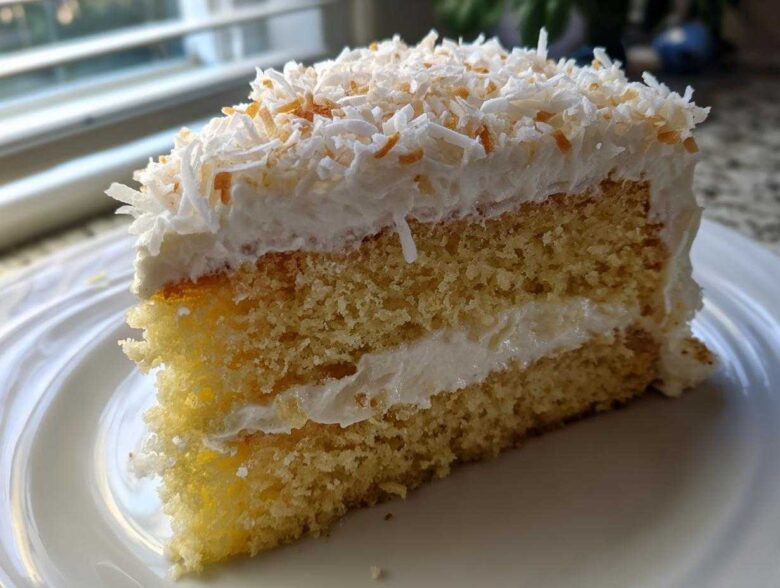
When you think of true Southern baking, you think of cakes that aren’t just sweet—they have to be impossibly moist and utterly decadent. That’s exactly what we have here! This is Sasha’s Moist and Fluffy Southern Coconut Cream Cake recipe, and trust me, it sets the benchmark for every other coconut cake you’ll ever try. It’s got that dreamy texture, like it came straight from a high-end bakery, but it’s made right here in our collective kitchen. Sasha, bless her heart, doesn’t really believe in strict measuring when she’s vibing, but for this cake, she actually wrote things down once we realized how perfect it was!
It’s recipes like this that make me so grateful for our spontaneous friendship we built in the apartment hallway. If you read a bit about how we all cook differently, you’ll notice Sasha brings that wonderful, intuitive energy to her bakes. She insists on doing things that just *feel* right, like adding that little extra splash of coconut milk until the batter whispers, “I’m ready.” That’s the magic you’re getting here—a tried-and-true Southern classic infused with Sasha’s energetic, trust-your-gut approach. You can check out our whole chaotic kitchen story over at About Us if you haven’t yet!
Why This is the Best Coconut Cake You Will Ever Make
So, why should you drop everything and bake Sasha’s coconut cake right now? Honestly, because it nails that elusive combination everyone chases: super moist, incredibly fluffy, and full of that unmistakable Southern charm. It’s not just a cake; it’s an event. It’s what you want when only the best will do!
- It has that perfect bakery-style height but stays melt-in-your-mouth soft.
- The tropical flavor is intense without tasting artificial, thanks to Sasha’s coconut milk trick!
- It holds up beautifully, making it perfect for stacking into a gorgeous layer cake.
Achieving That Dreamy, Fluffy Texture
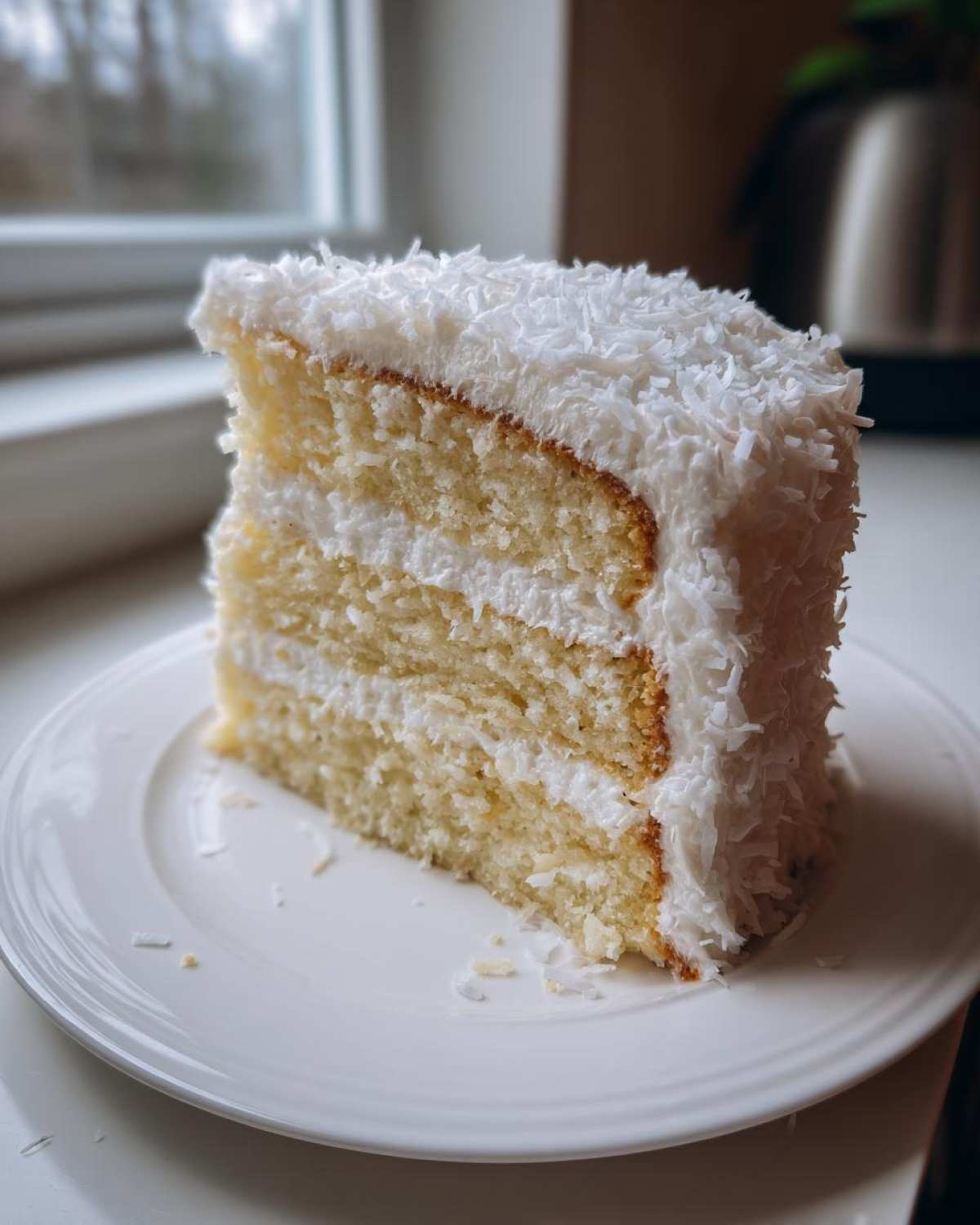
The key to those light, airy layers isn’t just the eggs—it’s the dynamic duo of buttermilk and softened butter. When you cut the cake, you see those little air pockets, right? That happens because the acid in the buttermilk reacts just beautifully with the baking powder while it hangs out with the fat. It’s chemistry, but it tastes like pure magic. They come out tender every time, I promise!
The Rich Coconut Cream Frosting Homemade Secret
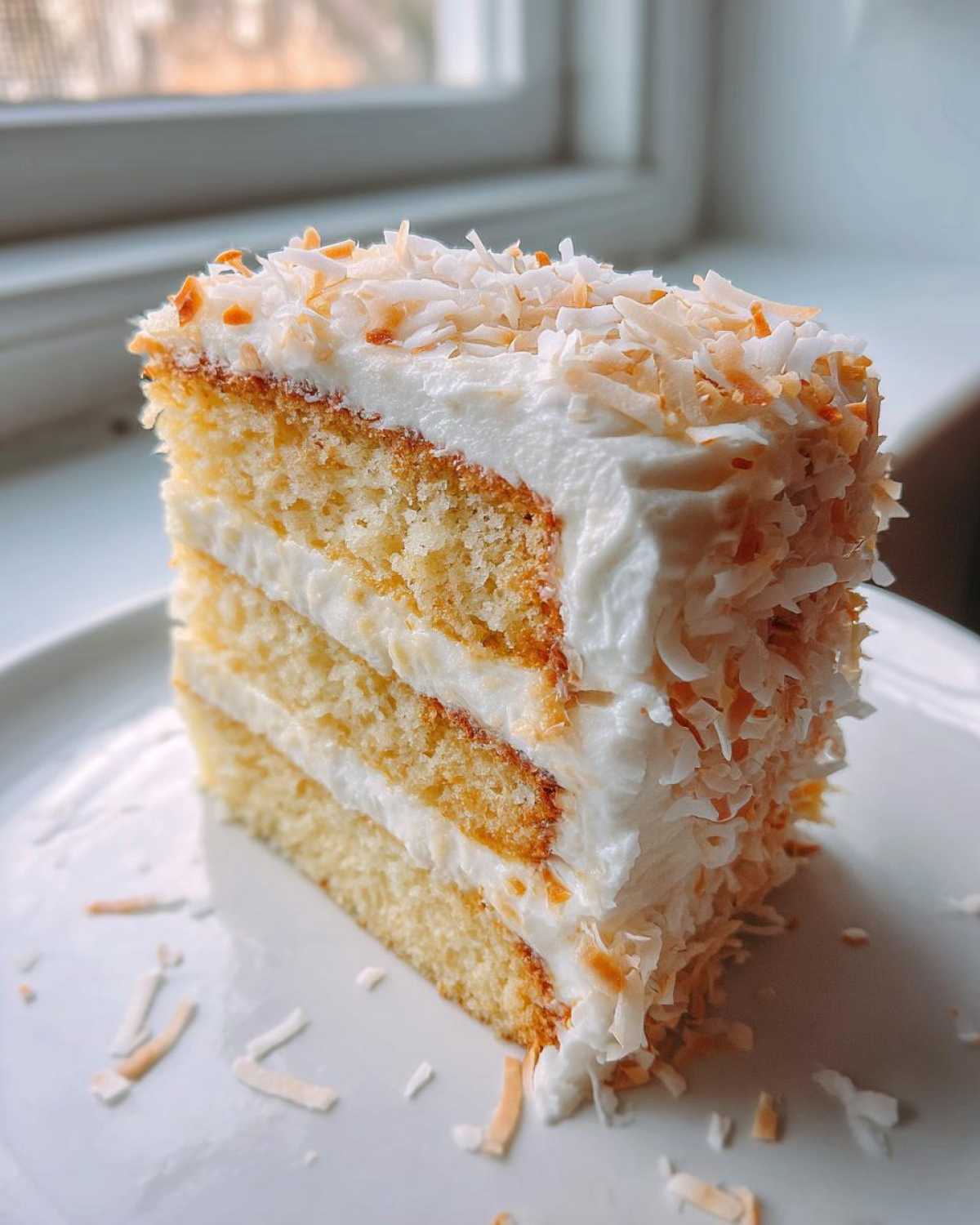
Now, let’s talk about slathering this beauty. We don’t just stop at buttercream here! The secret weapon in our **coconut frosting homemade** is definitely the touch of cream cheese blended in with the butter. It gives the frosting incredible stability for stacking those layers, but it also adds a slight tang that balances out all that sweet shredded coconut flavor. It’s rich, it’s luscious, and it’s exactly what this cake deserves.
Essential Ingredients for Your Southern Coconut Cake
Okay, this is where we get down to business. To get that true Southern vibe—moist, rich, and undeniably tropical—you can’t cheat on the ingredients. Sasha is very particular here, and when you see the results, you’ll understand why. We need specific things for the layers to be light just like we talked about, and then we need the right stuff for that dreamy frosting. It’s worth the trip to the store, I swear!
Look closely at the details, especially the temperature of the butter and the type of milk. That’s how we keep things trustworthy in the kitchen!
For the Light Fluffy Coconut Cake Layers
- 2 1/2 cups all-purpose flour
- 1 1/2 cups granulated sugar
- 1 tablespoon baking powder
- 1/2 teaspoon salt
- 1 cup unsalted butter, softened
- 4 large eggs
- 1 cup buttermilk
- 1 teaspoon vanilla extract
- 1/2 cup coconut milk (full fat)
- 1 cup sweetened shredded coconut, plus extra for coating
- 1/2 cup coconut extract (optional, for intense flavor—Sasha says go for it!)
For the Creamy Coconut Cream Frosting Recipe
This is the part that binds the whole wonderful thing together! Make sure your butter and cream cheese have been sitting out—they need to be truly soft so you don’t end up with lumps staring back at you!
- 1 cup (2 sticks) unsalted butter, softened
- 4 cups powdered sugar, sifted
- 1/2 cup cream cheese, softened
- 1/2 cup coconut milk
- 1 teaspoon coconut extract
- Pinch of salt
Step-by-Step Instructions for the Perfect Coconut Cake
Okay, deep breaths! Baking a showstopper coconut cake like this requires a few specific moves, but don’t worry, I’m going to walk you through every single one. It’s all about timing and not rushing those mixing steps. Remember what I always say: a good cake is built layer by layer, and the same goes for the process! Grab your mixer and let’s get these dreamy cake layers going.
Preparing the Light Fluffy Cake Layers
This is where we set the foundation for fluffiness! First up, get that oven humming at 350°F (175°C). You need to grease and flour three 8-inch round pans, and don’t skip lining the bottoms with parchment paper circles—that trick has probably saved my sanity a thousand times! Now, mix your dry ingredients—flour, sugar, baking powder, salt—in a big bowl.
Next, you’re going to cut in the softened butter until it looks like coarse sand. This is a crucial texture check point! Then, mix your wet stuff separately—the eggs, buttermilk, vanilla, and that gorgeous full-fat coconut milk. Slowly stream the wet ingredients into the dry while your mixer is on low. Please, pretty please, stop mixing when it *just* comes together. If you overmix, you lose all that potential fluff! Finally, grab a spatula and gently fold in your cup of shredded coconut and that optional coconut extract if you want that extra coconut punch. Divide it evenly and pop those beauties in the oven for about 28 to 32 minutes. Test with a pick near the middle; it should come out clean. Once they look done, let them hang out in the pans for just 10 minutes before carefully flipping them onto a wire rack to cool down completely. Seriously, they must be totally cool before frosting!
Making the Coconut Frosting Homemade
While those layers are chilling out, we make the frosting that everyone raves about. You need that butter and cream cheese to be completely soft—I mean, squish-able soft. Beat those two together until they are super smooth, no lumps allowed! Then, slow and low, start adding that sifted powdered sugar. Once it’s mostly mixed, crank the speed up high until it’s fluffy. Now for the coconut essence: mix in your coconut milk, coconut extract, and that tiny pinch of salt.
Here’s my little adjustment sanity check: if the frosting seems soupy, add another tablespoon or two of powdered sugar. If it looks like you could sculpt a tiny coconut statue with it (too stiff!), just splash in a tiny bit of extra coconut milk. We want it light and spreadable, not brick-hard!
Assembling Your Coconut Layer Cake Beautifully
Time for the glorious part: putting it all together! Grab your first cooled layer and plop it onto your serving plate—a little dab of frosting underneath is great insurance to keep it from sliding around. Spread a generous, thick layer of that creamy frosting over the top.
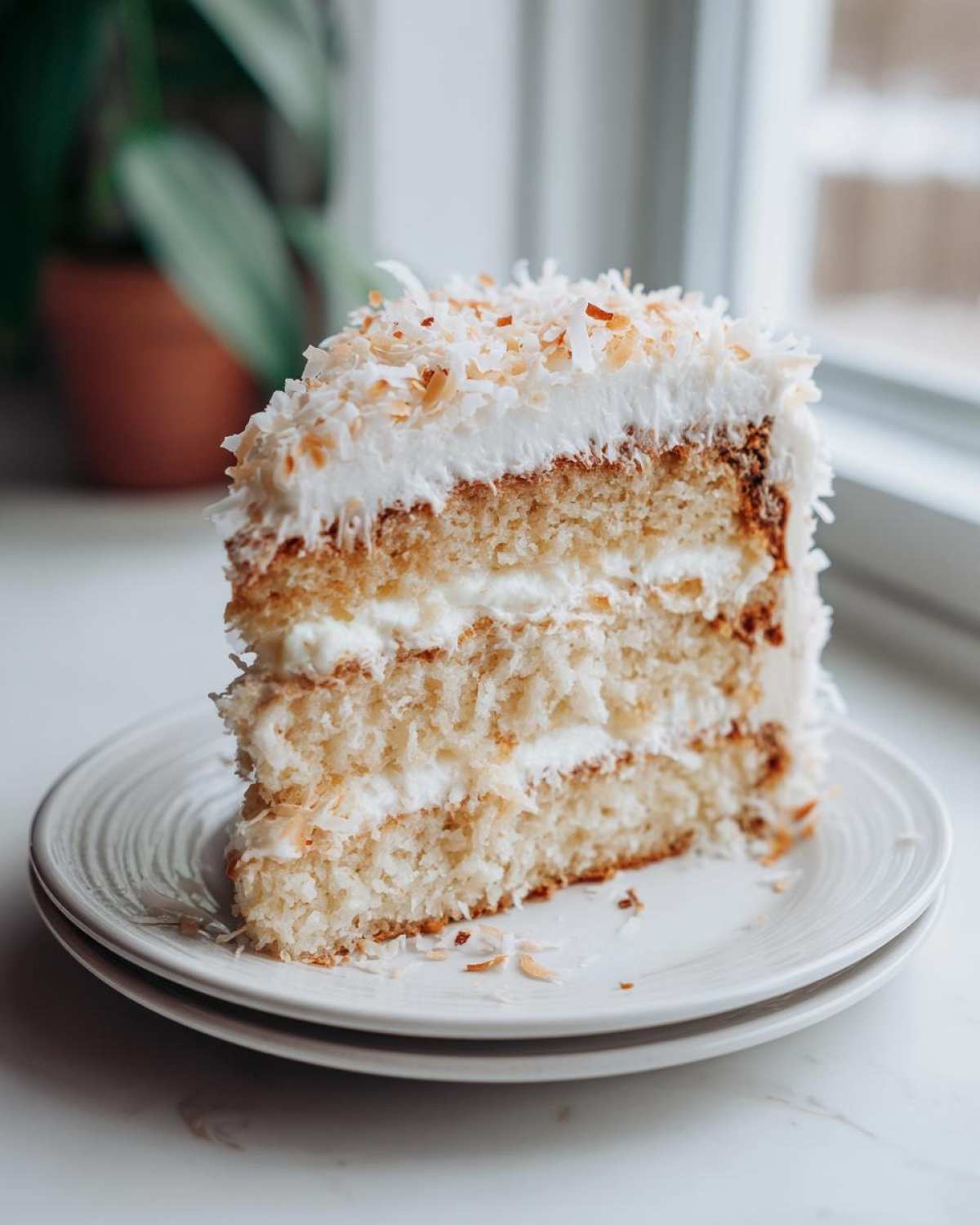
Repeat with your second middle layer, and then top it off with the final layer. NOW we go big! Cover the entire cake—sides and top—with the rest of your coconut cream frosting. Don’t worry about being perfect; this is a rustic, gorgeous cake. For that final show-stopping look, take your reserved extra sweetened shredded coconut and gently press it all over the sides and sprinkle the top. It gives you that stunning, snowy finish. You can find some inspiration on layering techniques by checking out our easy baking recipes!
Tips for Success Making a Bakery Style Coconut Cake
Getting this coconut cake to taste like it came from a professional’s kitchen takes just a couple of small secrets, and lucky for you, I’ve got Sasha’s cheat sheet right here! These aren’t hard things to do, they just make the difference between a good cake and a legendary one. Remember, we’re aiming for that perfect soft, moist crumb that disappears the second it hits your tongue.
First up: don’t skip the sweet syrup trick mentioned in the notes! Even though the cake is already moist, lightly brushing the cooled layers—especially the tops—with a simple syrup infused with a tiny bit of coconut extract makes them feel decadent. It’s amazing how much moisture that adds without making it soggy. You can always check in on our latest food thoughts over on the main blog page!
Also, if you want a frosting that tastes like it was spun silk, use coconut cream instead of regular coconut milk in that frosting recipe—it really amps up the richness if you’re feeling extra indulgent. Oh, and one last thing: take a minute to lightly toast some of that shredded coconut *before* you coat the outside. It brings out this incredible nutty, deep coconut flavor that makes everyone ask, “What’s different about this one?”
Variations: Beyond the Classic Coconut Cake Recipe
Our classic coconut cake is perfect for birthdays and traditional celebrations, but sometimes, we need to shake things up a little bit, right? I love that we can take this flavor profile and turn it into something totally unexpected. The ingredients base here—the buttermilk, the sweet coconut, that creamy frosting—lends itself really well to some fun twists.
If you’re looking for something super easy that still delivers all that tropical flavor without the layering drama, you absolutely have to try turning this into a **coconut poke cake**! It’s so much fun to make. You just bake the layers as directed, let them cool a bit, and then use the handle of a wooden spoon to poke a bunch of little holes all over the top surface. Then, you pour a sweet, creamy liquid right into those holes—boil up some coconut milk with a little sugar and maybe a splash of coconut extract—and let it soak in. It makes the cake unbelievably moist, almost like a pudding!
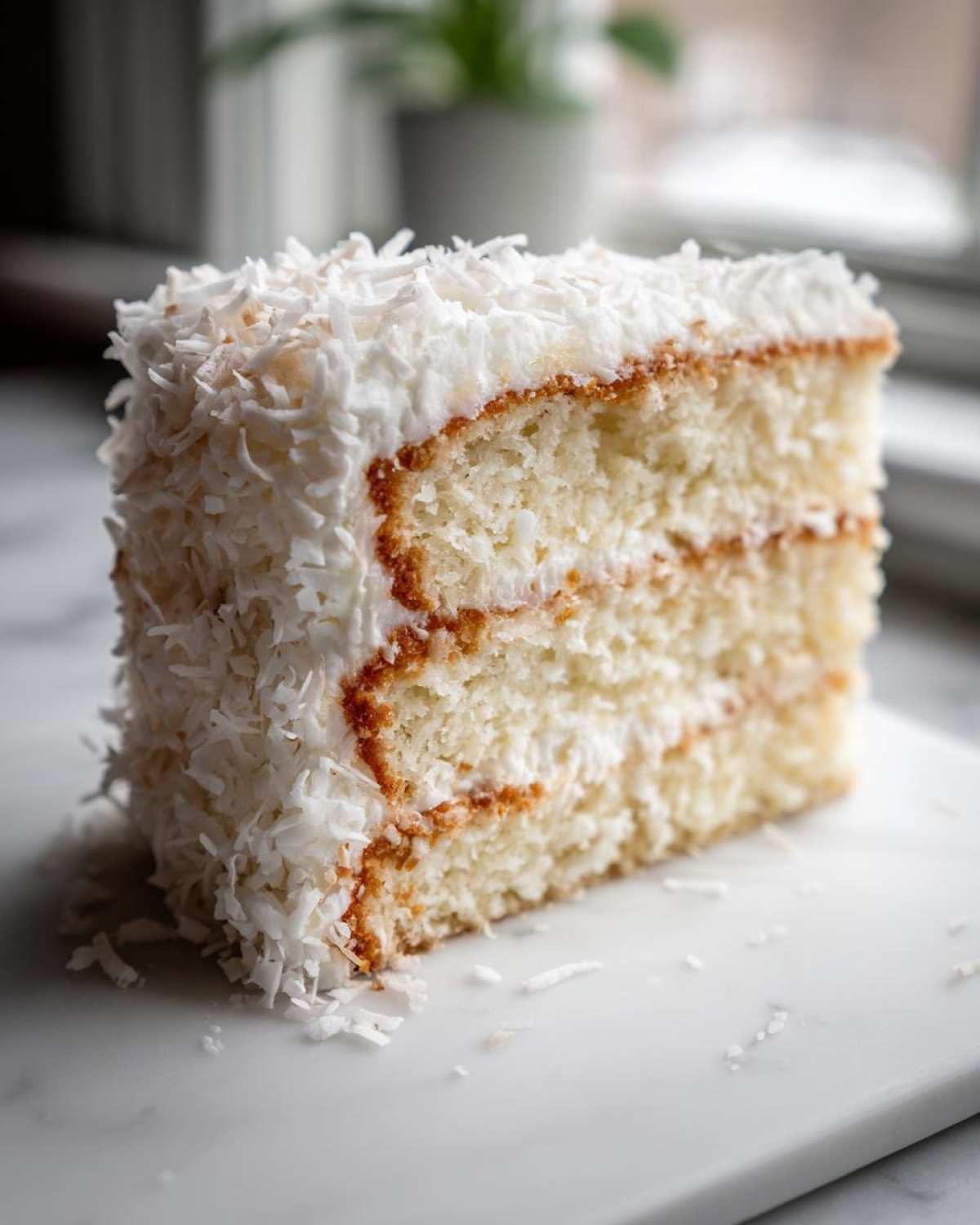
Or, hey, maybe you don’t have time for three separate layers. We hear you! This batter also works beautifully as a **coconut bundt cake**. You’ll want to make sure your bundt pan is *super* well-greased and floured (use that cake goop we talked about if you made it!). Because the bundt catches heat differently, you might need to add 5 to 10 minutes to the baking time. When it comes out, you can drizzle that leftover coconut cream frosting right over the top so it runs down all those lovely ridges. It looks so elegant with just a sprinkle of toasted flakes!
For those of you who love rich, dense desserts, you might even try making this into a **coconut cream poke cake** version using a 9×13 dish instead of rounds. It’s amazing for feeding a crowd at a summer barbecue. No matter how you bake it, you’re getting that delicious tropical coconut flavor you love. If you’re looking for another nutty, tropical treat, check out my recipe for Coconut Almond Date Balls!
Storage and Serving Suggestions for Your Coconut Cake
Now that you’ve made this absolutely dreamy, bakery-style coconut cake, you need to know how to keep it looking perfect! Since we use that glorious cream cheese element in the frosting for that rich flavor, we have to treat it right in storage. It’s not as sturdy on the counter as a purely buttercream cake, so refrigeration is your friend here.
Cover your cake loosely with a cake dome or tent some plastic wrap over it—don’t wrap it tight right away, or you’ll smudge that pretty snowy coconut coating! Pop it in the fridge. It will keep beautifully for about three to four days. The moisture level in this cake is so high, though, that it frankly tastes best on Day Two!
Here’s a super important hosting tip: If you refrigerate it, pull that beauty out about an hour before you plan on serving it. That allows the butter and cream cheese in the frosting to soften up just a touch. Cold frosting tastes waxy, but room-temperature frosting is luxuriously creamy. You want that melt-in-your-mouth experience, not a tooth-chipper!
Make it a Holiday Showstopper
Because this cake is so visually stunning, it’s perfect for those big celebrations. This is one of my absolute favorite coconut desserts for holidays, especially Easter or Christmas when you want something lighter after all the heavy savory dishes. If you’re bringing it to a party, skip the tight cling wrap and use a proper cake carrier—they are lifesavers!
For birthdays, you can really amp up the flair! Instead of just pressing shredded coconut on the outside, try toasting half of it first and sprinkling the dark toasted flakes on top and the light untoasted ones around the bottom edge. That contrast is just stunning against the white frosting. When I serve something spectacular like this, I often pair it with a lighter fruit side, just like my fresh Peach Cobbler recipe, to balance the richness.
Serving Temperature Matters
We already talked about letting it warm up a bit after the fridge, but it’s worth repeating because it’s so crucial for flavor delivery! A gently warmed slice of cake releases the volatile coconut oils and extracts, making the cake taste sweeter and smell more intensely tropical. If you’re serving slices individually, pop them on a microwave-safe plate for just 5 to 10 seconds. That little bit of warmth transforms the whole experience. Trust me, your guests will thank you for taking that extra step!
Frequently Asked Questions About This Moist Coconut Cake Recipe
Because this coconut cake has so many specific steps to guarantee that bakery-style perfection, I get asked a few questions all the time! It’s totally normal; baking a showstopper always involves a few tweaks. I’ve gathered the most common ones here to make sure your cake comes out absolutely flawless, just like Sasha’s every time. Since we all have those staple recipes we turn to, if you ever need tips on dealing with dense baked goods, I cover how to get moisture into my chocolate chip zucchini muffins too! But for now, let’s stick to coconut!
Can I use regular milk instead of buttermilk in this coconut cake?
Oh, that’s a great question about substitutions! Technically, yes, you *can* use regular milk, but I wouldn’t recommend it if you’re chasing that truly fluffy coconut cake texture. Buttermilk is acidic, and that acidity reacts with the baking powder to give the cake its lift and tender crumb. If you use regular milk, the cake will still bake, but it will likely be a little denser and might lack that signature lightness we are aiming for. If you are in a bind, you can make a quick substitute by mixing 1 cup of regular milk with 1 tablespoon of white vinegar or lemon juice and letting it sit for five minutes to curdle slightly—it’s not *quite* the same as buttermilk, but it’s close!
How do I make the cake layers extra moist?
If you want the absolute *most* moist cake imaginable, you need to check out the little optional step I mentioned in the notes section! Once your layers are completely cooled—and I mean *completely* cool, or the syrup will just soak right through into soup—take about 1/4 cup of simple syrup made from equal parts sugar and water, maybe with a tiny splash of coconut extract stirred in. You just lightly brush this over the top surface of each layer before you frost it. It locks in moisture like crazy and keeps this cake tasting phenomenal even on Day Four. It’s magic, I tell you!
Is this recipe suitable for a birthday cake?
Absolutely! This is my go-to recipe whenever someone needs a showstopper! Because it layers up so beautifully and holds that gorgeous thick frosting, it naturally looks like a fantastic birthday cake. Whether you use the whole cup of coconut extract or keep it subtle, the towering, snowy finish always makes people gasp when you bring it out. It truly is the best coconut cake for any event where you want your guests to feel special!
If you’ve tried this fluffy dream and loved it, please come back and leave a review! Happy baking!
Estimated Nutritional Snapshot for This Coconut Cake
You know Lena always pushes us to be transparent, even when it comes to the numbers, right? So, while we are way more focused on the joy this coconut cake brings than counting every last gram, I wanted to give you a snapshot of what you’re looking at per slice. This recipe is definitely a treat, loaded with that buttery goodness and sweet coconut flavor we all adore!
Please remember, these figures are just estimates based on the ingredients listed! When you make substitutions—like switching out the butter for oil, or maybe skipping the coconut extract—those numbers will change. We calculate this for the standard recipe, so consider these your friendly guidelines!
- Serving Size: 1 slice
- Calories: 450
- Sugar: 55g
- Sodium: 250mg
- Fat: 24g
- Saturated Fat: 15g
- Unsaturated Fat: 9g
- Trans Fat: 0.5g
- Carbohydrates: 58g
- Fiber: 1g
- Protein: 5g
- Cholesterol: 90mg
See? Decadent! But totally worth it for a special occasion, especially when you’re getting that incredible bakery-style texture. Don’t let the sugar count scare you away from enjoying a beautiful slice of homemade goodness!
Share Your Homemade Coconut Cake Creations
Well, that’s it! We’ve made the absolute dreamiest, moistest, most gloriously fluffy coconut cake you could ever hope for. Now comes the best part—seeing what you all do with Sasha’s intuitive recipe! When Sasha sends out a cake into the world, she gets so excited to know it’s making someone else’s celebration special. Seriously, that’s why we do this whole thing, right?
If you baked this and the layers came out perfectly tender, or maybe you tried toasting the coconut like I suggested—I need to see it! Snap a picture and tag us on social media. We absolutely love seeing your kitchens in action. If you feel like this cake knocked all other desserts out of the park and deserves all the praise, please hop back over to the recipe and give it a solid 5 stars. It really helps people know that this truly is the best coconut cake recipe out there!
If you have any last-minute questions pop up while you’re admiring your handiwork, shoot us a message through the contact form. For more fun baking adventures and flavor ideas, you can always check out our friends who also make amazing coconut treats; you might love the inspiration over at this fluffy cake recipe link!
Go forth and share the coconut love!
PrintSasha’s Moist and Fluffy Southern Coconut Cream Cake
Bake a truly moist and fluffy Southern Coconut Cake with rich coconut cream frosting. This bakery-style layer cake is perfect for birthdays or any special celebration.
- Prep Time: 30 min
- Cook Time: 30 min
- Total Time: 60 min
- Yield: 12 servings
- Category: Dessert
- Method: Baking
- Cuisine: American
- Diet: Vegetarian
Ingredients
- 2 1/2 cups all-purpose flour
- 1 1/2 cups granulated sugar
- 1 tablespoon baking powder
- 1/2 teaspoon salt
- 1 cup unsalted butter, softened
- 4 large eggs
- 1 cup buttermilk
- 1 teaspoon vanilla extract
- 1/2 cup coconut milk (full fat)
- 1 cup sweetened shredded coconut, plus extra for coating
- 1/2 cup coconut extract (optional, for intense flavor)
- For the Coconut Cream Frosting:
- 1 cup (2 sticks) unsalted butter, softened
- 4 cups powdered sugar, sifted
- 1/2 cup cream cheese, softened
- 1/2 cup coconut milk
- 1 teaspoon coconut extract
- Pinch of salt
Instructions
- Preheat your oven to 350°F (175°C). Grease and flour three 8-inch round cake pans. Line the bottoms with parchment paper circles.
- In a large bowl, whisk together the flour, sugar, baking powder, and salt.
- Add the softened butter to the dry ingredients. Beat with an electric mixer on low speed until the mixture resembles coarse crumbs.
- In a separate bowl, whisk together the eggs, buttermilk, vanilla extract, and coconut milk until combined.
- Gradually add the wet ingredients to the dry ingredients, mixing on medium speed until just combined. Do not overmix.
- Stir in the 1 cup of shredded coconut and the optional coconut extract by hand.
- Divide the batter evenly among the prepared cake pans.
- Bake for 28 to 32 minutes, or until a wooden pick inserted into the center comes out clean.
- Let the cakes cool in the pans for 10 minutes before inverting them onto a wire rack to cool completely.
- Prepare the frosting: Beat the softened butter and cream cheese together until smooth and creamy.
- Gradually add the sifted powdered sugar, mixing on low speed until incorporated, then increase speed to medium-high and beat until fluffy.
- Mix in the 1/2 cup coconut milk, coconut extract, and salt until the frosting is light and spreadable. Add more powdered sugar if it is too thin, or a splash more coconut milk if it is too stiff.
- Once the cake layers are completely cool, place the first layer on a serving plate. Spread a generous layer of frosting over the top. Repeat with the second layer.
- Place the final layer on top and frost the entire cake, sides and top, with the remaining coconut cream frosting.
- Press extra sweetened shredded coconut onto the sides and top of the cake for a beautiful, snowy finish.
Notes
- For extra moist cake layers, you can lightly brush the cooled layers with a simple syrup made from equal parts sugar and water, infused with a little coconut extract before frosting.
- If you want a true Southern Coconut Cream Cake, use coconut cream instead of coconut milk in the frosting for a richer flavor.
- Toasting the shredded coconut lightly before coating the cake adds a deeper, nuttier flavor dimension.
Nutrition
- Serving Size: 1 slice
- Calories: 450
- Sugar: 55g
- Sodium: 250mg
- Fat: 24g
- Saturated Fat: 15g
- Unsaturated Fat: 9g
- Trans Fat: 0.5g
- Carbohydrates: 58g
- Fiber: 1g
- Protein: 5g
- Cholesterol: 90mg
