

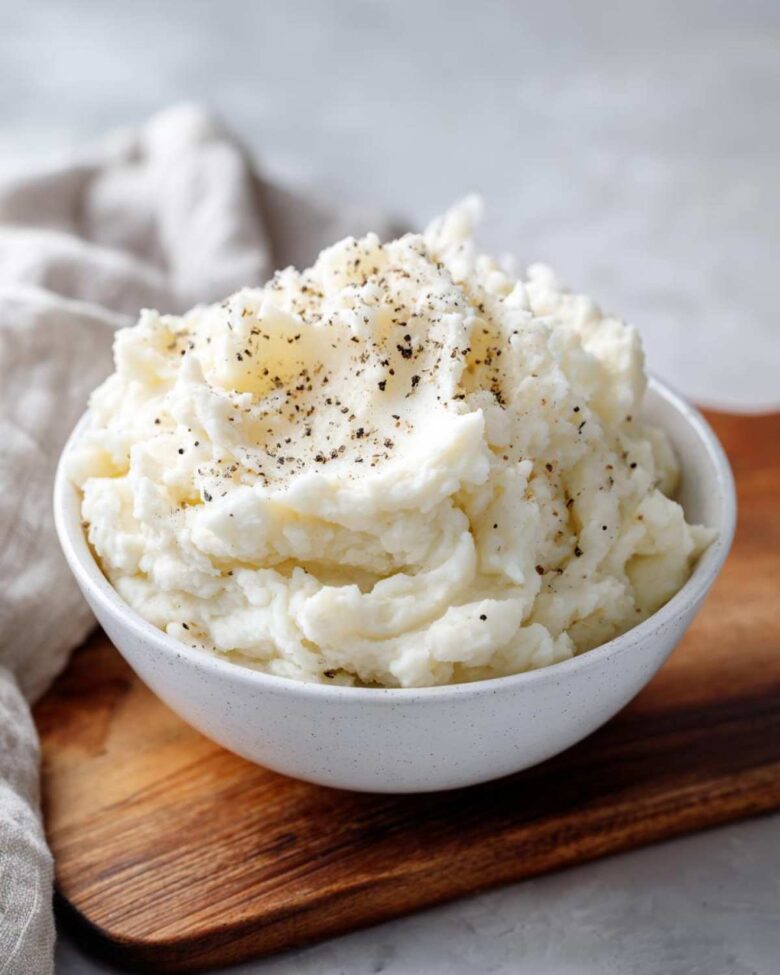
Oh my goodness, let’s talk comfort food! There’s just nothing that fixes the soul faster than a giant scoop of perfect potatoes. Forget those dry, gluey lumps you sometimes get stuck with; I’m here to tell you the secret to making the absolute best mashed potatoes you’ve ever tasted. I’m talking creamy, yet impossibly fluffy, loaded with butter because, well, why wouldn’t we? Mastering this classic recipe took me a few tries, but once I understood the science—or maybe just the ‘Grandma rules’—it became simple. Trust me when I say, this is the only homemade mashed potatoes recipe you’ll ever need for both Tuesday dinner and Christmas dinner.
I’ve honed this technique over years, especially learning how to properly manage the steam! I even linked a fun recipe here for twice-baked potatoes if you’re looking to switch things up later, but for now, let’s focus on the ultimate side dish!
Why You Will Make The Best Mashed Potatoes Every Time
People ask me all the time how I get mine so light! It’s not magic, it’s just following a few essential rules that ensure success every single time you make mashed potatoes.
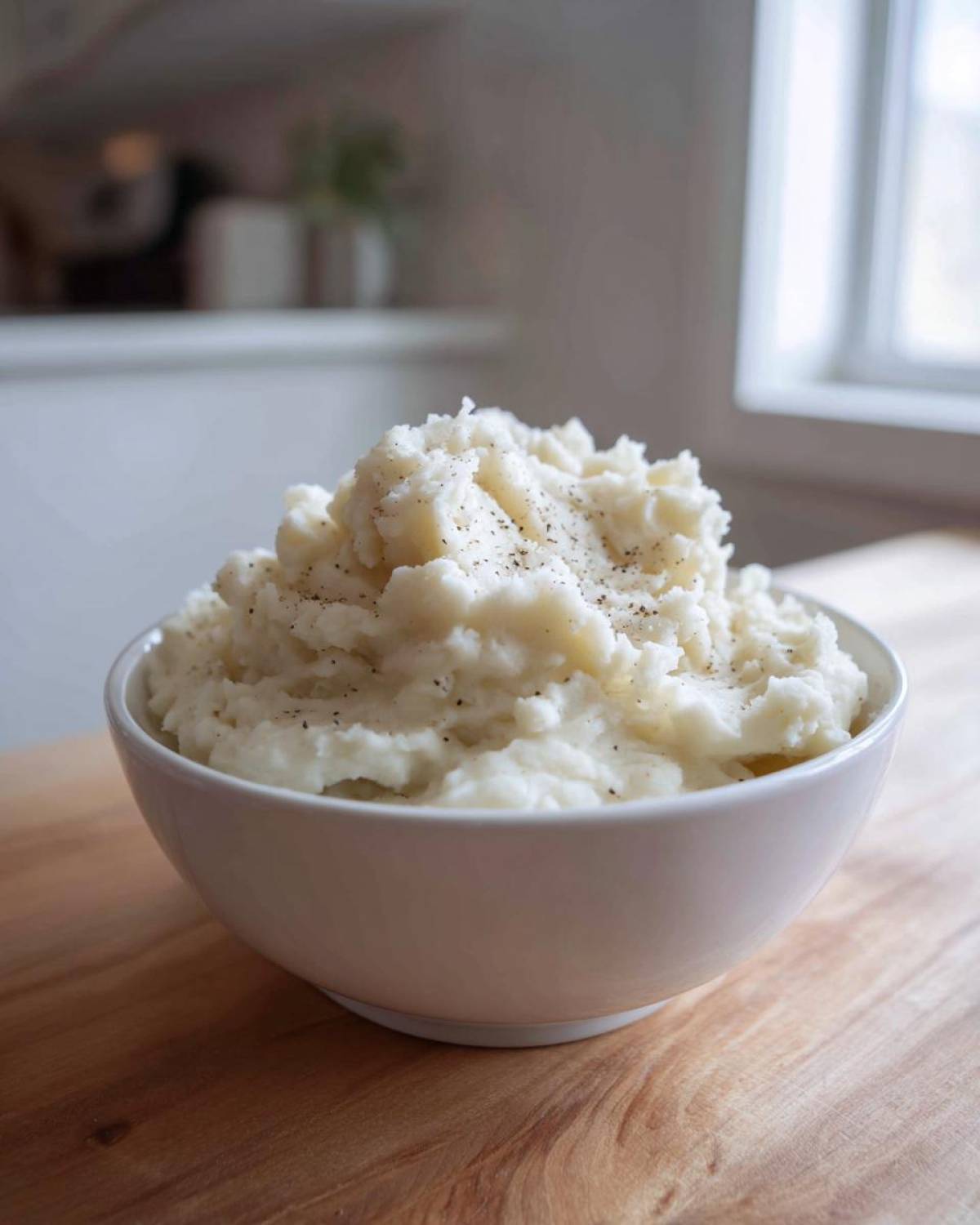
- You get that dreamy, decadent, creamy texture that melts in your mouth.
- They achieve an amazing, cloud-like fluffiness—no density allowed!
- The process is surprisingly simple once you know the tricks for drying them out correctly.
- These potatoes are fancy enough for the holidays but quick enough for a weeknight.
Ingredients for Perfect Mashed Potatoes
You only need a few things for this classic potato side dish, but the quality and preparation of those simple ingredients make all the difference. Skip the weird powders and use these standards, okay? My main rule is choosing your potato wisely; I usually lean toward Russets if I want super fluffy results, but Yukon Golds give you a naturally richer, buttery flavor that’s fantastic. I’ve even got a recipe for roasted garlic spread you could mix in!
Here’s what you’ll need for about six good servings:
- 3 lbs Russet or Yukon Gold potatoes, peeled and quartered
- 1 cup whole milk
- 8 tablespoons unsalted butter, cut into pieces
- 1 teaspoon salt, plus more for boiling water
- 1/2 teaspoon black pepper
- A little tiny pinch of nutmeg—don’t skip this if you can help it!
Technique Secrets for Creamy Mashed Potatoes
Listen up, because this is where 90% of people mess up their potatoes. If you want truly luxurious, creamy mashed potatoes—not the gluey kind—you have to pay attention before you even turn on the heat. We start with cold water when boiling the potatoes. Why? Because if you drop them into hot water, the outside cooks way faster than the center, meaning you get unevenly cooked mush. Those potatoes need to cook evenly so they break down nicely later.
We also need to think about the ingredients we add. Always warm up your milk and butter before pouring them in! Cold dairy hitting hot potatoes shocks them and makes them seize up. This is not the time to be shy; we want that fat content high for flavor and smoothness. If you want to see a great way to use up leftovers, check out my recipe for crispy mashed potato cakes!
Choosing the Right Potatoes for Your Mashed Potatoes
This decision sets the whole texture foundation! If you are aiming for that classic, airy, almost cloud-like fluffiness, go with Russet potatoes. They are super starchy and break down easily, which is what you want for a light texture. But if your heart is set on something naturally richer and creamier, you can’t beat Yukon Golds. They have less starch and more natural butteriness, so they just feel decadent even with standard additions!
The Essential Step: Drying the Potatoes
This is the most overlooked step in making mashed potatoes that don’t taste watered down. Once you drain them, you have to get rid of the extra moisture clinging to the surface! Bring those drained potatoes back to the empty pot, put it over super low heat for just a minute, and shake them around gently. That steam has to evaporate or else all that beautiful butter and milk you add is just going to thin out into soup. Don’t skip this drying dance; it’s your ticket to perfect texture.
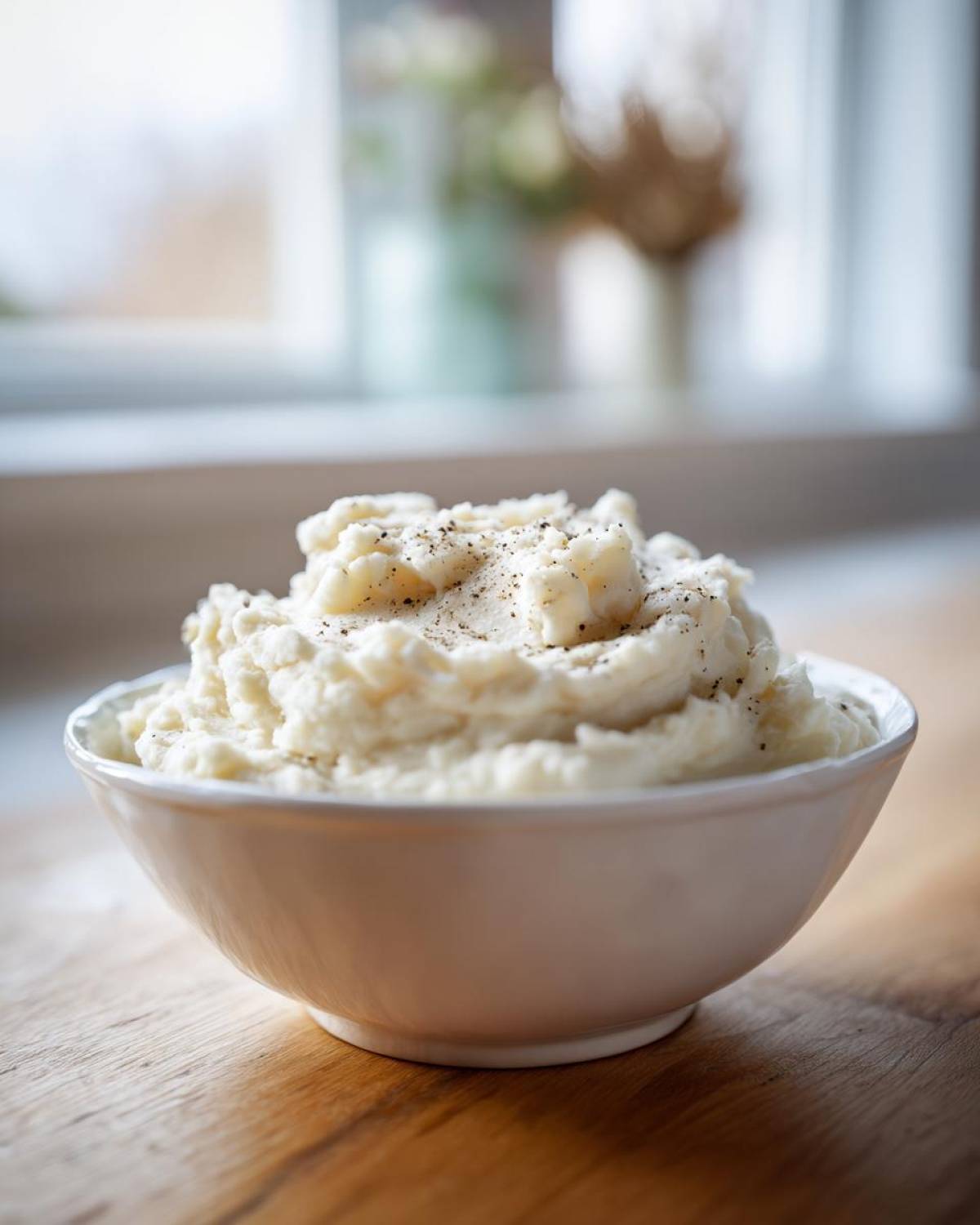
Step-by-Step Instructions for Fluffy Mashed Potatoes
Alright, now that the potatoes are perfectly dry and waiting patiently, it’s time for assembly! We are going to treat this like a delicate operation, not a wrestling match. Remember how picky I was about warming the milk and butter? Get that mixture in a separate little saucepan on the back burner. We just want it warm enough that the butter is fully melted—it should never reach a boil!
First things first: boil those cut potatoes in heavily salted cold water until they are fork-tender, which usually takes about 15 to 20 minutes. Drain them thoroughly and toss them back in that hot, empty pot to dry out for five minutes (we just covered that crucial step!). After they’ve steamed off, it’s time to mash. Slowly, gently, add your warm butter-milk mixture, stirring only until everything comes together. I swear, the difference this makes in your final mashed potatoes is astonishing!
Once they look creamy, stir in your salt, pepper, and that tiny dash of nutmeg. You can always check my site for how to make crispy potato pancakes with leftovers, but let’s get these perfect right now!
Mashing vs. Ricing for Smooth Mashed Potatoes
If you want the ultimate, silkiest potatoes, ditch the hand masher. Honestly, for truly smooth mashed potatoes, the potato ricer is your best friend! It forces the cooked starch through tiny holes, resulting in an incredibly light fluff. If you must use a regular masher, be gentle—just break them down enough, then switch to a wooden spoon for mixing in the dairy. Whatever you do, please promise me you won’t bust out the electric mixer. That’s the express lane to gluey territory, no matter how much butter you add!
Tips for Making Truly Buttery Potato Side Dish
We’ve got the technique down, but let’s talk pure flavor now! The butter is key, naturally, but how you incorporate it makes a difference. Always add that butter in pieces *after* you’ve started incorporating the warm milk. This helps it melt evenly into the starch without pooling at the bottom of the pot.
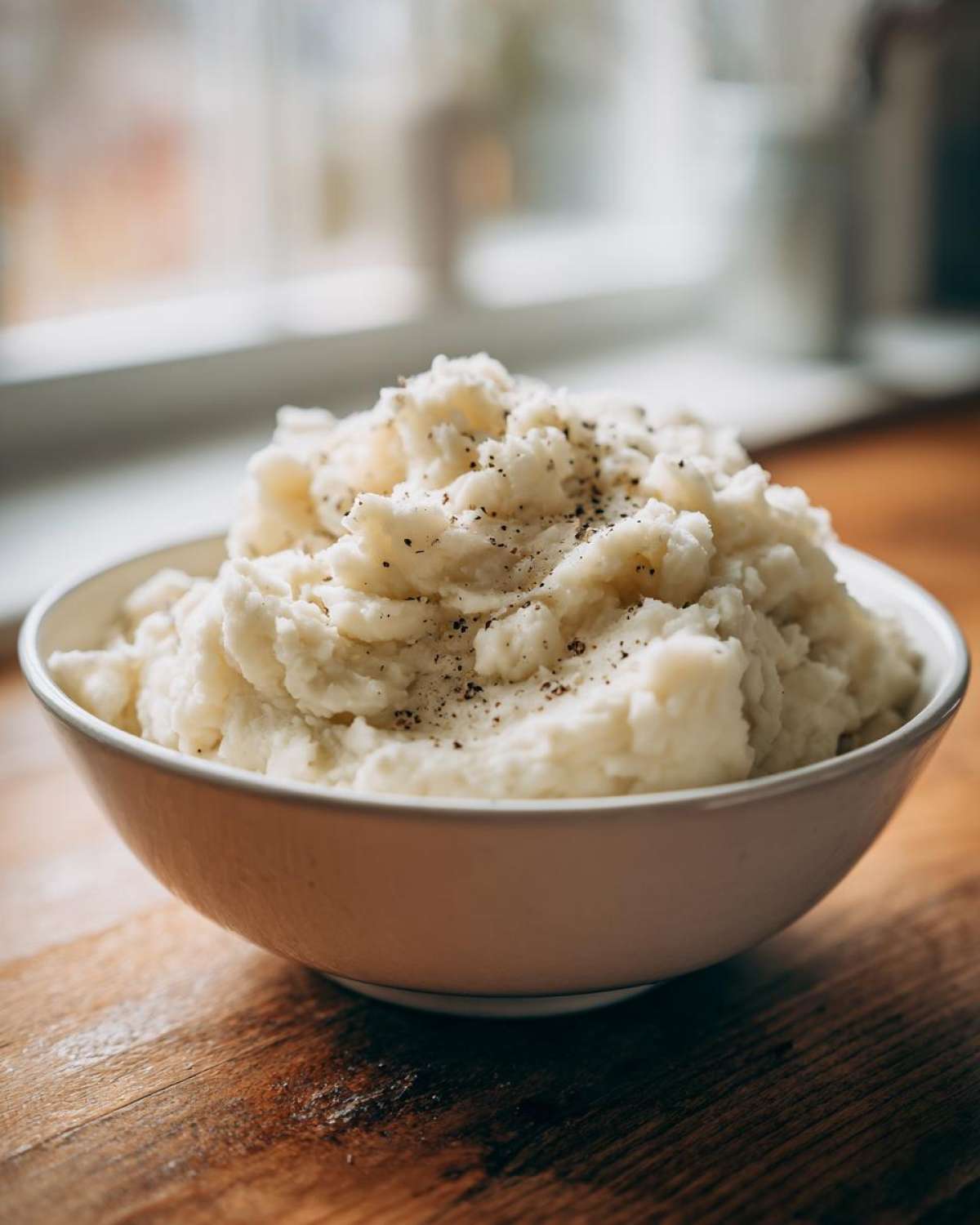
Another little trick for next-level richness, which isn’t in the main recipe, is to swap about a quarter cup of the whole milk for heavy cream. It sounds decadent, but I promise it just elevates the mouthfeel without making them heavy. If you’re looking for other show-stopping sides like my broccoli cheddar casserole, these mashed potatoes will perfectly complement anything!
Remember: never, ever overmix! Stop gently stirring the second the dairy disappears. That’s how you keep them fluffy instead of turning them into heavy paste. A little seasoning tweak at the end makes all the difference in bringing out that wonderful buttery potato flavor.
Variations on Classic Mashed Potatoes
Once you master this base recipe for mashed potatoes, the sky’s the limit! You don’t need a whole new recipe to jazz things up. If you’re feeling fancy, try stirring in some roasted garlic right along with the butter and milk for a deep, savory flavor that is unbelievable. Or maybe you want something green? Freshly chopped chives stirred in at the very end give a lovely pop of color and freshness.
If you really want to move mountains, though, go cheesy! I’ve got a fantastic cheesy garlic mashed potatoes recipe that uses Gruyère, but for a simpler take on these classic potatoes, just stir in a half cup of finely grated Parmesan cheese right before serving. See? Easy upgrades!
Storage and Reheating Creamy Mashed Potatoes
Don’t worry if you made too many! These creamy mashed potatoes keep really well, which is a lifesaver after a big dinner. You can safely store leftovers in an airtight container in the fridge for about 3 to 4 days. When it’s time to bring them back to life, the key is moisture and low heat.
For the best reheat, put the potatoes in a heavy-bottomed pot over low heat. Add a splash more milk and another small knob of butter—that brings back the richness! Stir gently, just until they warm through completely. If you use the microwave, make sure to stir every minute or so so they don’t dry out in spots!
Frequently Asked Questions About Homemade Mashed Potatoes
I know everyone has a little worry when they set out to make the perfect potato side dish, especially when holidays are creeping up! Don’t stress; I’ve gathered the questions I get asked the most about how to nail these homemade mashed potatoes every time. If you want more instant answers, my general easy mashed potatoes recipe post covers a few more basics too!
Can I make these mashed potatoes ahead of time?
You totally can! Making them ahead is a lifesaver, but you have to treat them gently when reheating. If you plan to reheat them on the stovetop with that extra milk and butter, they come back beautifully. The biggest texture concern is if you chill them too long or reheat them too aggressively. If you zap them in the microwave without any liquid, they will definitely dry out and get stiff, so always bring that moisture back first!
What is the secret to fluffy mashed potatoes?
It boils down to two main things we talked about! First, you absolutely must let the cooked potatoes steam-dry completely in the hot empty pot after draining. Don’t rush that! That gets rid of the water that makes them heavy. Second, treat them gently during the mixing phase. We want fluff, which means minimal agitation. Ditch the electric mixer and use a ricer or a gentle hand masher and only mix until the butter and milk are incorporated.
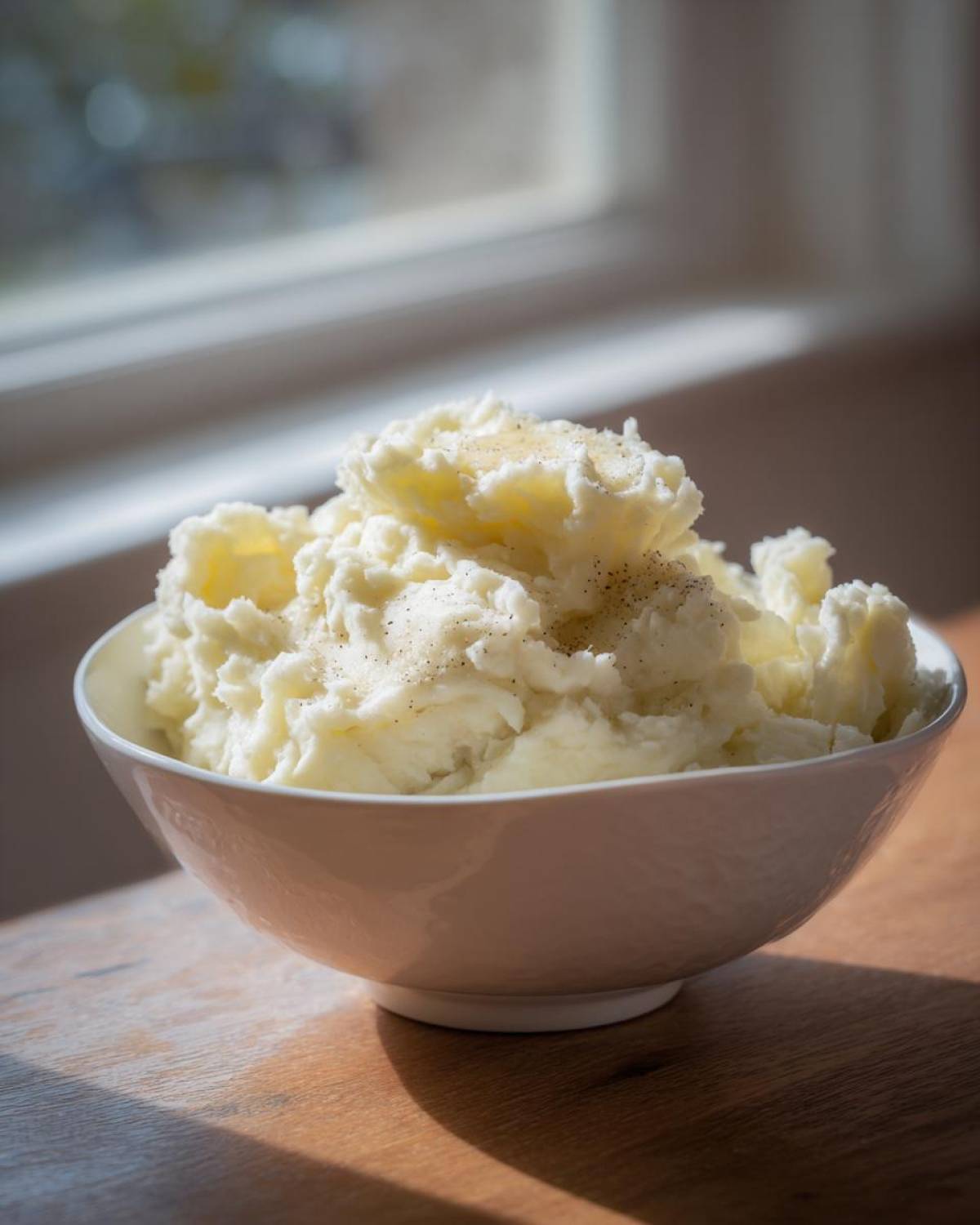
Estimated Nutritional Data for Mashed Potatoes
Look, I’m a cook, not a nutritionist, so these numbers are just an estimate based on the ingredients in this classic potato recipe, mainly using the regular amounts of butter and milk listed. You know how it goes; the more butter you sneak in, the higher that fat count goes! I always say that sometimes you just have to treat yourself, right?
If you want to see how this data stacks up against my classic potato recipe variations, you can check out the comparison data there. But for these wonderful, buttery side dishes, here are the approximate figures based on dividing the batch into six servings:
- Serving Size: 1 serving
- Calories: 250
- Sugar: 2g
- Sodium: 350mg
- Fat: 14g
- Saturated Fat: 9g
- Carbohydrates: 30g
- Fiber: 3g
- Protein: 5g
Just a quick heads-up! Because these are calculated estimates based on my standard ingredient portions—especially the butter and milk—your exact nutrient content might shift a bit depending on the specific potato brand or if you decide to go a little heavier on the dairy. But hey, they are worth every single calorie!
PrintThe Best Creamy, Fluffy Mashed Potatoes
A simple recipe for classic mashed potatoes, focusing on technique to achieve a creamy and fluffy texture.
- Prep Time: 15 min
- Cook Time: 25 min
- Total Time: 40 min
- Yield: 6 servings
- Category: Side Dish
- Method: Boiling and Mashing
- Cuisine: American
- Diet: Vegetarian
Ingredients
- 3 lbs Russet or Yukon Gold potatoes, peeled and quartered
- 1 cup whole milk
- 8 tablespoons unsalted butter, cut into pieces
- 1 teaspoon salt, plus more for boiling water
- 1/2 teaspoon black pepper
- Pinch of nutmeg (optional)
Instructions
- Place the peeled and quartered potatoes in a large pot. Cover the potatoes with cold water by about one inch. Add 1 tablespoon of salt to the water.
- Bring the water to a boil over high heat. Reduce heat to maintain a steady simmer. Cook for 15 to 20 minutes, or until the potatoes are easily pierced with a fork.
- Drain the potatoes completely in a colander. Let them sit in the colander for 5 minutes to allow excess steam to escape. This step helps prevent watery potatoes.
- Return the drained potatoes to the hot, empty pot. Place the pot over low heat for 1 minute, shaking gently to dry them further. Remove from heat.
- In a small saucepan, heat the milk and butter together until the butter is melted and the mixture is warm, but not boiling.
- Using a potato masher or a ricer, mash the potatoes until mostly smooth. Do not overmix if using a hand masher. If you prefer very smooth potatoes, use a potato ricer.
- Gradually add the warm milk and butter mixture to the potatoes, mixing gently with a wooden spoon or spatula until just combined and creamy.
- Stir in the salt, pepper, and optional nutmeg. Taste and adjust seasoning as needed. Serve immediately.
Notes
- Use starchy potatoes like Russets for fluffier results, or Yukon Golds for a naturally buttery and creamy texture.
- Warming the dairy ingredients prevents the potatoes from cooling down too quickly during mixing.
- For the creamiest texture, use a potato ricer instead of a standard masher.
- Avoid using an electric mixer or food processor, as this develops the starch and results in gluey potatoes.
Nutrition
- Serving Size: 1 serving
- Calories: 250
- Sugar: 2
- Sodium: 350
- Fat: 14
- Saturated Fat: 9
- Unsaturated Fat: 5
- Trans Fat: 0
- Carbohydrates: 30
- Fiber: 3
- Protein: 5
- Cholesterol: 35
