

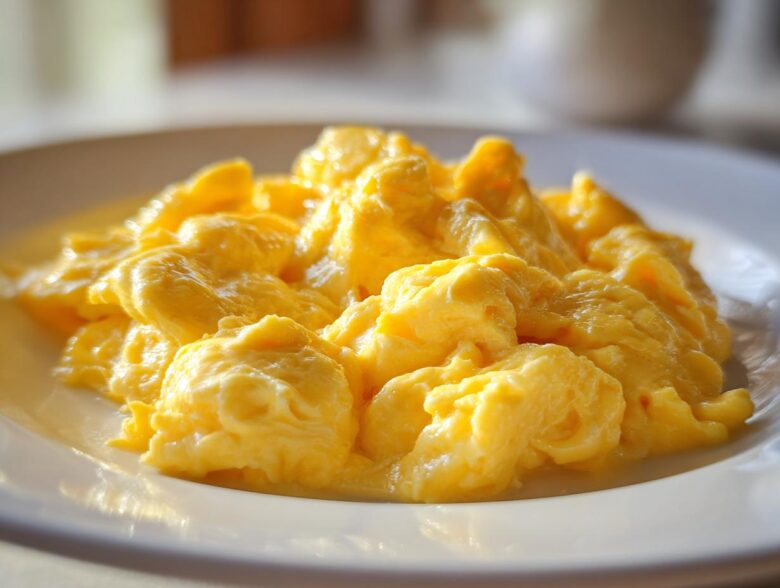
Oh, you know the feeling. You’re craving that perfect, pillowy breakfast, but what you get is a pan full of sad, rubbery little chunks. It’s the worst, right? I spent years wrestling with my skillet, trying to figure out how to make genuinely fluffy and creamy scrambled eggs that looked like they came straight out of a high-end brunch spot. Seriously, I was ready to give up cooking breakfast entirely!
Well, don’t sweat it anymore, because I cracked the code. This isn’t just another recipe; this is the technique I finally nailed down that changed everything. We’re going to focus on texture—that velvety, almost molten consistency that melts in your mouth. Forget tough, dry eggs; these are the best scrambled eggs you will ever make at home. Trust me, once you try the low-and-slow method, you’ll never go back. Grab your whisk and let’s get started on transforming your morning routine!
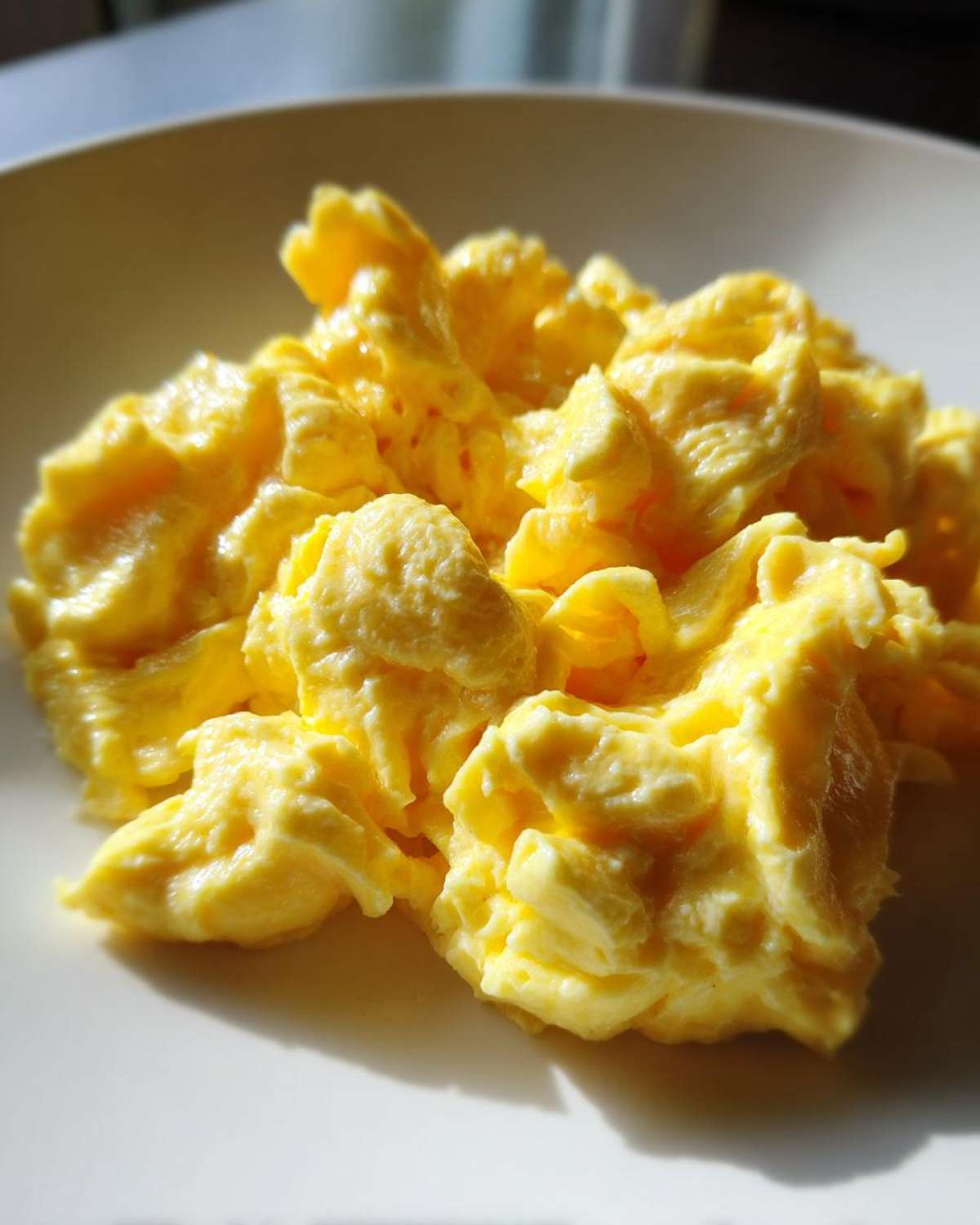
If you’re looking to browse more incredible morning meals after this, check out all my favorite things in the breakfast category—there are some real gems in there!
Why This Creamy Scrambled Eggs Technique Works
If you’ve ever wondered why your homemade batch just doesn’t measure up to those amazing restaurant platings, the answer is heat control. You see, making these eggs fluffy and creamy is all about being patient with the proteins in the egg. When you crank the stove heat up high—which is tempting when you’re rushing in the morning—those proteins seize up almost instantly. That’s what gives you those dry, rubbery curds that feel like eating a foam sponge.
Our goal here is the opposite. We’re using the low and slow egg cooking method. By keeping the heat consistently low, we encourage the milk/cream and eggs to emulsify gently, creating tiny, soft curds instead of big, tough ones. This thoughtful approach is the secret behind a great creamy scrambled eggs technique and is non-negotiable if you want that luxurious mouthfeel. It ensures you get those dreamily soft results that qualify as truly perfect texture eggs.
The Science Behind Silky Scrambled Eggs
It’s simple physics in action, really! High heat forces the water out of the eggs way too fast. Those trapped water molecules essentially steam the proteins, making them tough. We want those water molecules to stay nicely tucked inside the fat and protein structure.
By using a lower temperature, we coax the mixture along slowly. This extra time allows the fats to coat everything nicely, resulting in those beautiful, silky scrambled eggs. It feels like it takes forever compared to throwing them on high, but trust me, those extra few minutes are what make the difference between okay eggs and ‘wow, these are incredible’ eggs.
Gathering Your Ingredients for Fluffy Scrambled Eggs Recipe
Okay, now that we know the technique, we need the right players on the field! For this fluffy scrambled eggs recipe, quality matters because there are so few ingredients. I always insist on using the freshest eggs I can find; you can taste the difference when they’ve come from happy chickens! We’re only using three large eggs per serving, which is a hearty start for one person.
You’ll need one teaspoon of good unsalted butter—don’t skimp here, the fat is flavor and texture! And here’s a little trick for that extra bit of moisture: one tablespoon of either whole milk or, if you want to go truly rich, heavy cream. A pinch of salt and pepper finishes the list. That’s it! Simplicity is key for these perfect texture eggs.
Ingredient Notes and Substitutions for Perfect Texture Eggs
Let’s talk about the wet ingredients for a second. The whole milk or heavy cream adds the necessary fat content that coats the proteins, which is what locks in that velvety feel. Make sure you add your salt *before* you whisk—it helps break down the egg proteins slightly, which contributes to fluffiness later!
If you’re looking for a major protein boost without sacrificing texture, stir in about two tablespoons of cottage cheese right here with your milk. It sounds wild, but it dissolves into the mixture and leaves no lumps, just extra soft goodness. Keep those ingredient thoughts in mind as we move to the cooking part!
Step-by-Step Instructions for Velvety Scrambled Eggs
Alright, the ingredients are rallied, the pan is ready to go—now for the actual magic. This process moves quickly once the eggs hit the butter, but every single second counts for achieving those velvety scrambled eggs. Remember what I said about patience? It starts right at the beginning with the whisking!
We are making breakfast that tastes gourmet, but it’s still one of the quickest easy breakfast meals you can whip up. I vividly remember the first time I tried this technique; I pulled the pan off the heat way too soon, thinking they were still runny soup. I panicked and dumped them back on the burner, and poof—gone were the creamy curds, replaced by dry, sad bits. Don’t make my mistake! You have to trust the residual heat.
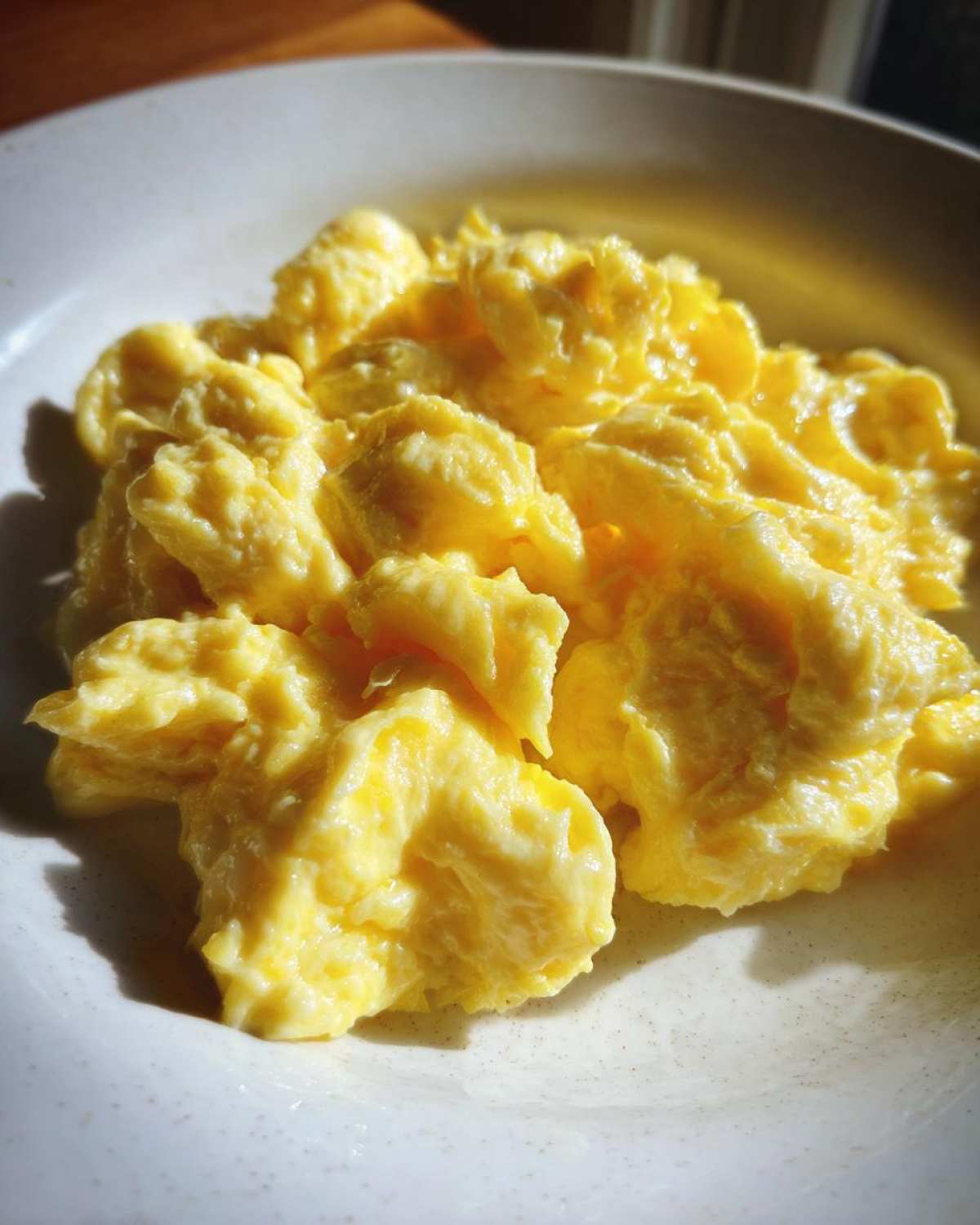
If you want to read more about my simple meal philosophy, you can see my other quick ideas over in the easy breakfast meals section. But first, let’s get these perfect.
Preparing the Egg Mixture for Fluffy Scrambled Eggs Recipe
Take your eggs, milk/cream, salt, and pepper and get whisking! And I mean *whisking*. You need to incorporate air—this is the secret to making these genuinely fluffy scrambled eggs recipe winners. Keep going until the mixture is uniform, pale yellow, and you see little tiny bubbles forming on top. We want them fully blended before they meet the heat.
The Low Heat Cooking Method for Restaurant Style Scrambled Eggs
Put your best non-stick pan on the stove over low heat. Seriously, so low it feels wrong. Add the butter and let it melt until it just foams up—zero browning allowed! Pour in your prepared egg mixture. For the first 30 seconds, just let the edges barely start to firm up without touching them.
Now, grab that silicone spatula! Gently sweep the cooked edges toward the center, tilting the pan so the raw liquid flows underneath to cook. You need to keep doing this, slow and steady, folding and pushing. This is your low and slow egg cooking in real time. Keep pushing those curds gently until they are mostly set, but still look glossy and slightly wet. That’s the moment—immediately pull the entire pan off the burner. The carry-over heat finishes the job to give you those incredible restaurant style scrambled eggs.
Tips for Success When Making Scrambled Eggs
Look, I know you want those quick egg recipes for when you’re running out the door, but for these creamy beauties, you just can’t rush the fundamentals. The single most important pro tip for me involves equipment. Please, please use a good quality non-stick skillet. Trying to scrape stubborn eggs off a stainless steel pan over low heat is a recipe for disaster—you’ll end up tearing up those delicate curds!
Next up is heat management, because honestly, that’s the real secret to how to make fluffy eggs at home. If you find yourself constantly tempted to turn the dial up, step away for a second! Medium-low or low heat is your best friend. When you cook your scrambled eggs this way, you gain control, which is the key difference between my method and the best way to cook eggs that end up dry.
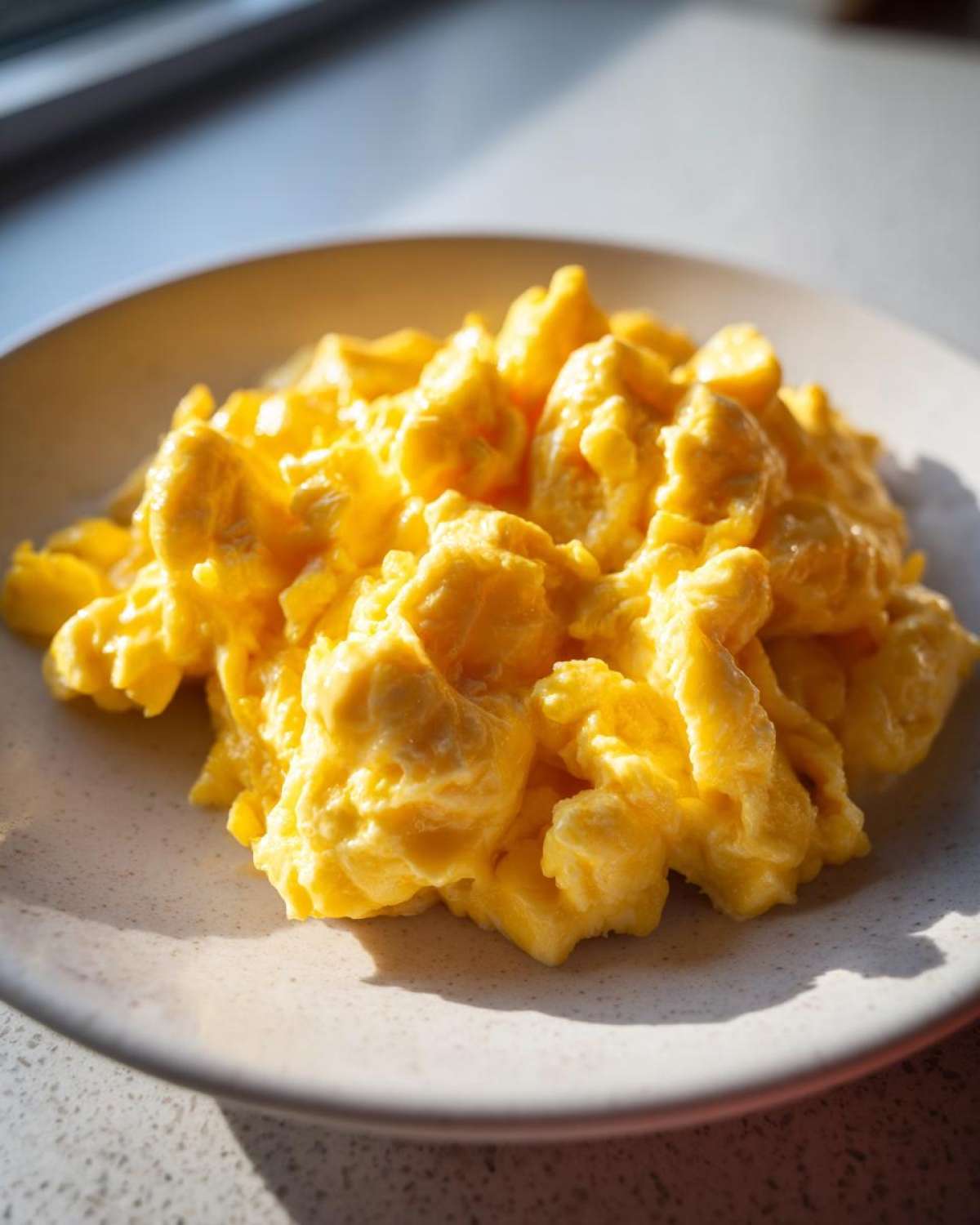
Lastly, remember that visual cue: they need to look slightly wet when they leave the heat source. That glossy sheen signals perfect moisture retention. Trust the process, and for more fast, great ideas, take a peek at my quick egg recipes collection!
Variations: Cheesy Scrambled Eggs Favorite and Protein Packed Eggs
Okay, sometimes you just need that extra layer of indulgence, right? Making these rich eggs even better is super simple. If you are looking for a true cheesy scrambled eggs favorite, wait until the very end of the cooking process—just before you take the pan off the heat because they look glossy and wet—sprinkle on about a quarter cup of shredded Gruyère or sharp cheddar.
The residual heat will melt that cheese beautifully into the mixture, making those curds extra decadent without overheating the eggs themselves. Nobody wants greasy, separated cheese in their breakfast!
Now, if you’re trying to get more fuel on your plate, let’s talk about hitting those protein packed eggs targets the easy way. Remember when I mentioned adding cottage cheese? Do that! Mix two tablespoons in with your milk before whisking. It adds a huge protein punch, and honestly, you won’t even taste it—your scrambled eggs will just be impossibly creamy. If you want to see another fun way I use cottage cheese in a quick breakfast format, check out these cottage cheese egg cups.
Serving Suggestions for Gourmet Brunch Ideas
Now that you’ve perfected the texture, we have to treat these luxurious scrambled eggs right when serving them! Because they are so silky and rich, they pair beautifully with something holding its structure. My absolute favorite way to present these is spooned generously over thick slices of toasted sourdough bread. The crunch of the toast is just the perfect contrast to the soft eggs.
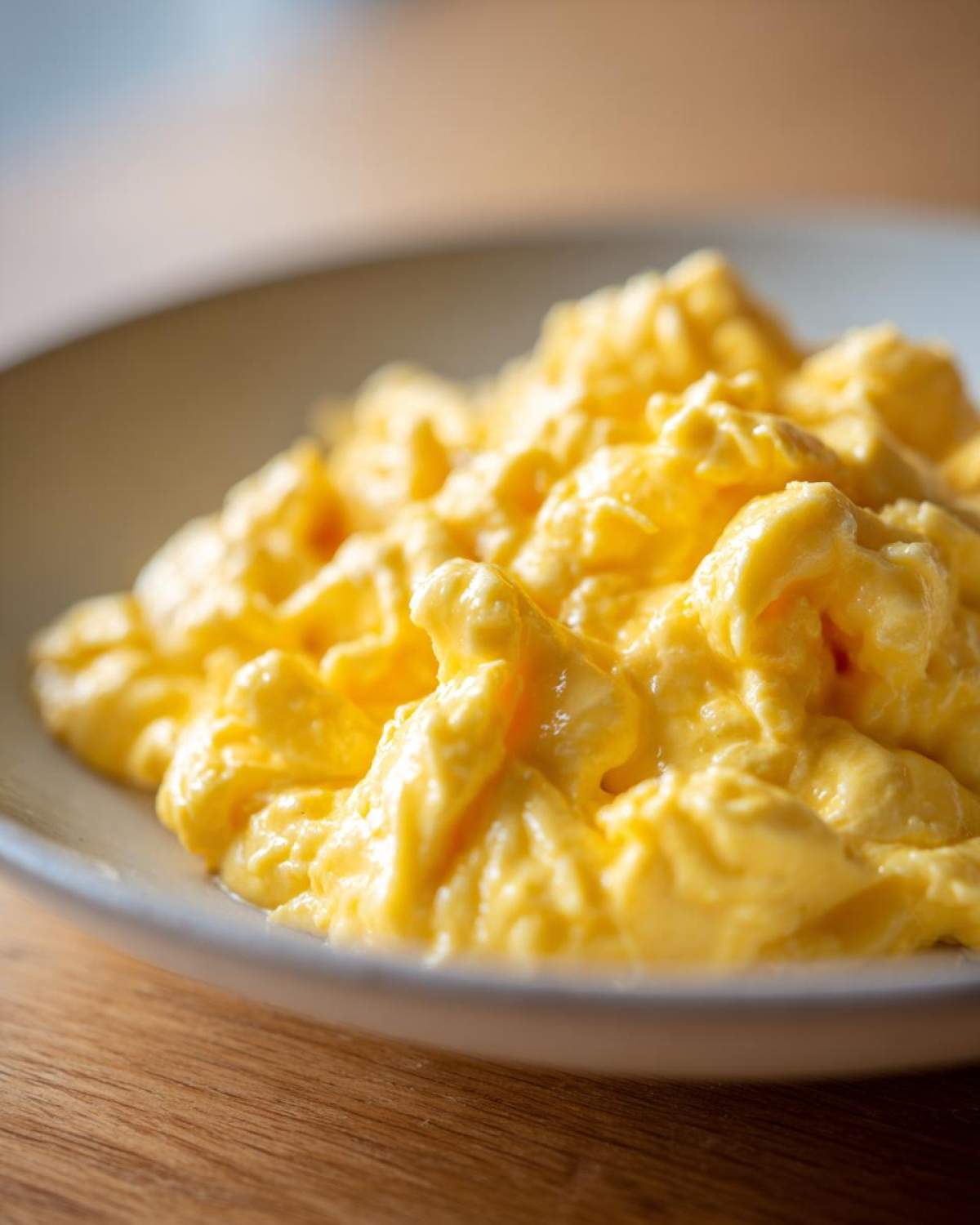
If you’re leaning into a truly gourmet brunch ideas spread, try adding flaky smoked salmon on the side—the salty richness plays so well with the creamy eggs. A quick sprinkle of finely chopped chives or some fresh microgreens on top adds color and freshness. These eggs are also heavenly alongside my classic French toast if you’re serving a crowd with varied tastes!
Storage and Reheating Instructions for Leftover Scrambled Eggs
Okay, let’s be real: these are definitely best enjoyed the second they leave the pan. They are so delicate that trying to keep them around too long is a real risk for texture loss. If you absolutely have leftovers—and I mean *only* if—put them into a truly airtight container right away. Seriously, these are meant for immediate consumption, so don’t plan on keeping them for more than a day.
Reheating them requires extreme gentleness. Don’t you dare toss them in the microwave; that’s a guaranteed way to turn your beautiful scrambled eggs into rubber hockey pucks! Instead, put them on the stovetop in a clean non-stick pan over the lowest possible heat setting. Add a tiny splash of milk or even just water, and gently fold them until they are just warm through. It takes patience, but it’s the only way to rescue those leftover creamy curds.
Frequently Asked Questions About Perfect Texture Eggs
I get so many questions about these little wonders! Most of them circle back to texture, which just shows how tricky this common breakfast item can be. Here are the things I hear most often when people try to master these perfect texture eggs.
If you’re looking for an alternative quick morning fix that’s still simple, you should definitely try my savory oatmeal with a fried egg recipe—it hits that comfort food spot!
Why are my scrambled eggs always dry and tough?
That’s the million-dollar question, isn’t it? Nine times out of ten, it’s the heat. You’re likely cooking them too quickly over medium or high heat. That intense heat makes the proteins squeeze out all their moisture instantly, which results in those tight, dry curds we hate. Stick to the low-and-slow method we discussed above. Also, make sure you pull them off the heat when they still look slightly wet—residual heat does all the final heavy lifting!
What is the best pan for creamy scrambled eggs?
Hands down, you need a really good non-stick skillet. I’m talking about one that you treat nicely—no harsh metal spatulas, just silicone or wood. When you are trying to achieve that velvety texture, you can’t afford for the eggs to stick and tear apart aggressively. A heavy-bottomed pan also helps distribute the low heat very evenly, which is critical for best way to cook eggs evenly.
Can I make these ahead of time for brunch?
I really advise against it, especially if you are aiming for that luxurious texture. These are truly best when eaten moments after they are done cooking. If you must prep ahead, cook them just until they are slightly *underdone*—like wetter than you think possible—and store them quickly in a sealed container in the fridge. Reheat them very gently on the stove later with an extra splash of milk, but honestly, you’ll lose some of that fresh fluffiness.
Can I make restaurant style scrambled eggs faster?
That’s a tough one. If you try to rush the “low and slow egg cooking,” you are fighting against the entire science of how to get those wonderful restaurant style scrambled eggs. Speed compromises the creaminess. The trade-off for that dreamy, silky texture *is* the six minutes it takes on low for the gentle cooking required. If you need something faster, you might need to adjust your expectations from “silky” to just “cooked.”
Should I use milk or heavy cream in my scrambled eggs recipe?
Both work, but they give you slightly different results based on what you want from your fluffy scrambled eggs recipe. Whole milk is great and will give you a nice, lighter fluffiness. Heavy cream has a higher fat content, which is why I lean toward it sometimes—the extra fat wraps around the proteins better. This higher fat content is what really dials up the ‘creamy’ factor and gives you that incredibly rich mouthfeel.
Share Your Ultimate Fluffy & Creamy Scrambled Eggs Results
Wow, we made it through! I truly hope you’ve sworn off dry, sad breakfast eggs for good now. This journey to perfect, velvety curds is one of my absolute favorites to guide people through because the payoff is just so delicious!
Now that you’ve perfected this fluffy scrambled eggs recipe, I absolutely need to hear about it! Did you nail that timing when you pulled them off the heat? Did your family even realize you were using a new technique? Drop a rating right here on the recipe card—I want to know how many stars these beautiful scrambled eggs earned in your kitchen.
Even more importantly, what was your perfect pairing? Did you serve them with avocado toast? Maybe some smoked salmon? Let me know what you served with your incredible brunch creation in the comments below! I’m always looking for new ideas for my next weekend spread.
If you need more quick hits of inspiration for future meals, make sure you pop over to my main blog page—there are always new things popping up!
PrintThe Ultimate Fluffy & Creamy Scrambled Eggs: Simple Secrets for Perfect Texture Every Time
Learn the low-and-slow technique to create incredibly fluffy and creamy scrambled eggs with velvety curds, perfect for a quick weekday breakfast or gourmet brunch.
- Prep Time: 2 min
- Cook Time: 6 min
- Total Time: 8 min
- Yield: 1 serving
- Category: Breakfast
- Method: Stovetop Cooking
- Cuisine: American
- Diet: Vegetarian
Ingredients
- 3 large eggs
- 1 tablespoon whole milk or heavy cream
- 1 teaspoon unsalted butter
- Pinch of salt
- Pinch of black pepper
Instructions
- Crack the eggs into a small bowl. Add the milk or cream, salt, and pepper. Whisk vigorously until the yolks and whites are completely combined and slightly frothy.
- Place a non-stick skillet over low heat. Add the butter and let it melt until it foams slightly. Do not let the butter brown.
- Pour the egg mixture into the skillet. Let the eggs sit undisturbed for about 30 seconds until the edges just begin to set.
- Using a silicone spatula, gently push the cooked egg from the edges toward the center, tilting the pan so the uncooked egg flows underneath.
- Continue this gentle pushing and folding motion slowly and continuously. Keep the heat low to prevent the eggs from becoming tough.
- When the eggs are mostly set but still look slightly wet and glossy (this is key for creaminess), remove the pan from the heat immediately. The residual heat will finish cooking them to a perfect, velvety texture.
- Serve immediately.
Notes
- For extra protein, stir in 2 tablespoons of cottage cheese with the milk before cooking.
- For cheesy scrambled eggs, sprinkle 1/4 cup of shredded cheddar or Gruyère over the eggs during the last minute of cooking, just before removing from the heat.
- Cooking low and slow prevents the proteins from seizing up, which results in rubbery eggs.
Nutrition
- Serving Size: 1 serving
- Calories: 200
- Sugar: 1
- Sodium: 150
- Fat: 15
- Saturated Fat: 8
- Unsaturated Fat: 7
- Trans Fat: 0
- Carbohydrates: 2
- Fiber: 0
- Protein: 13
- Cholesterol: 450
