

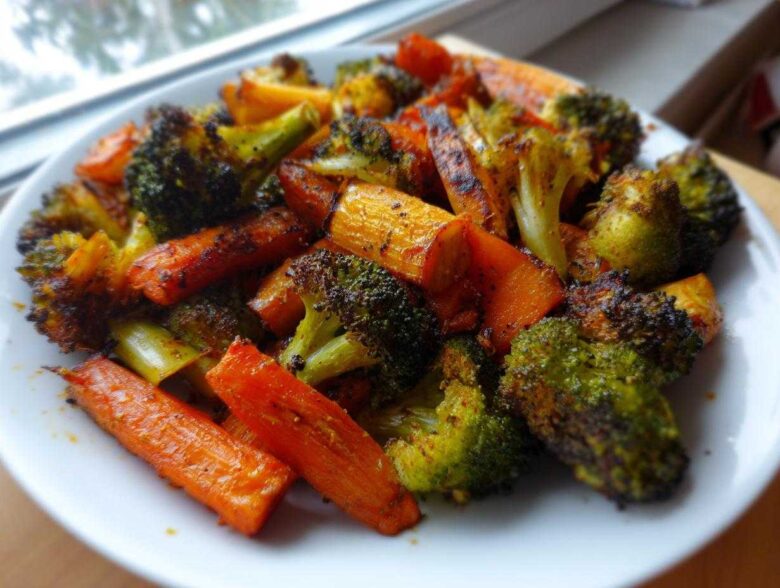
You know that moment when you pull a sheet pan out of the oven, and instead of crispy, caramelized goodness, you’ve got a pile of mushy, steaming vegetables? Ugh, it drives me crazy! Honestly, mastering the art of roasting vegetables is the single biggest game-changer in my weeknight cooking routine. Forget bland sides; we are talking tender on the inside with those gorgeous, slightly burnt, nutty edges on the outside. This isn’t just another recipe collection; I promise you, this is the ultimate guide to making consistently delicious roasted vegetables every single time you turn on the oven. Once you lock down the temperature and timing, your cooking life gets so much easier! I’ve learned so many tricks over the years, many of which I share over on my main recipe index page, but this method is the bedrock of fantastic sides.
Why This Is the Best Roasted Vegetables Guide for Crispy Results
If you’re tired of sinking flavorless, mushy vegetables, you’ve come to the right place. So many people ruin their veggies by using too low a temperature or, worse, by cramming them all onto one tiny pan. That just steams them! This best roasted vegetables guide focuses purely on achieving that amazing outer texture. We are after crispy edges, folks! This foolproof system—high heat, perfectly oiled, and spaced out—is what separates the good weeknight side dishes from the brown, sad ones. Trust me, nailing the crispy roasted vegetables technique changes everything about how you eat your veggies.
We have a whole index full of oven roasting tips for vegetables, too!
The Science Behind Perfectly Roasted Vegetables
It’s all about caramelization, which is just a fancy word for browning that tastes amazing! When you get that heat up (425°F is my sweet spot!), the natural sugars in the vegetables react with the oil. This is something called the Maillard reaction. It’s what creates those beautiful, savory brown spots instead of just steaming the vegetable until it’s soft and dull. High, dry heat is the secret weapon here, plain and simple.
Essential Ingredients for Flavorful Roasted Vegetables
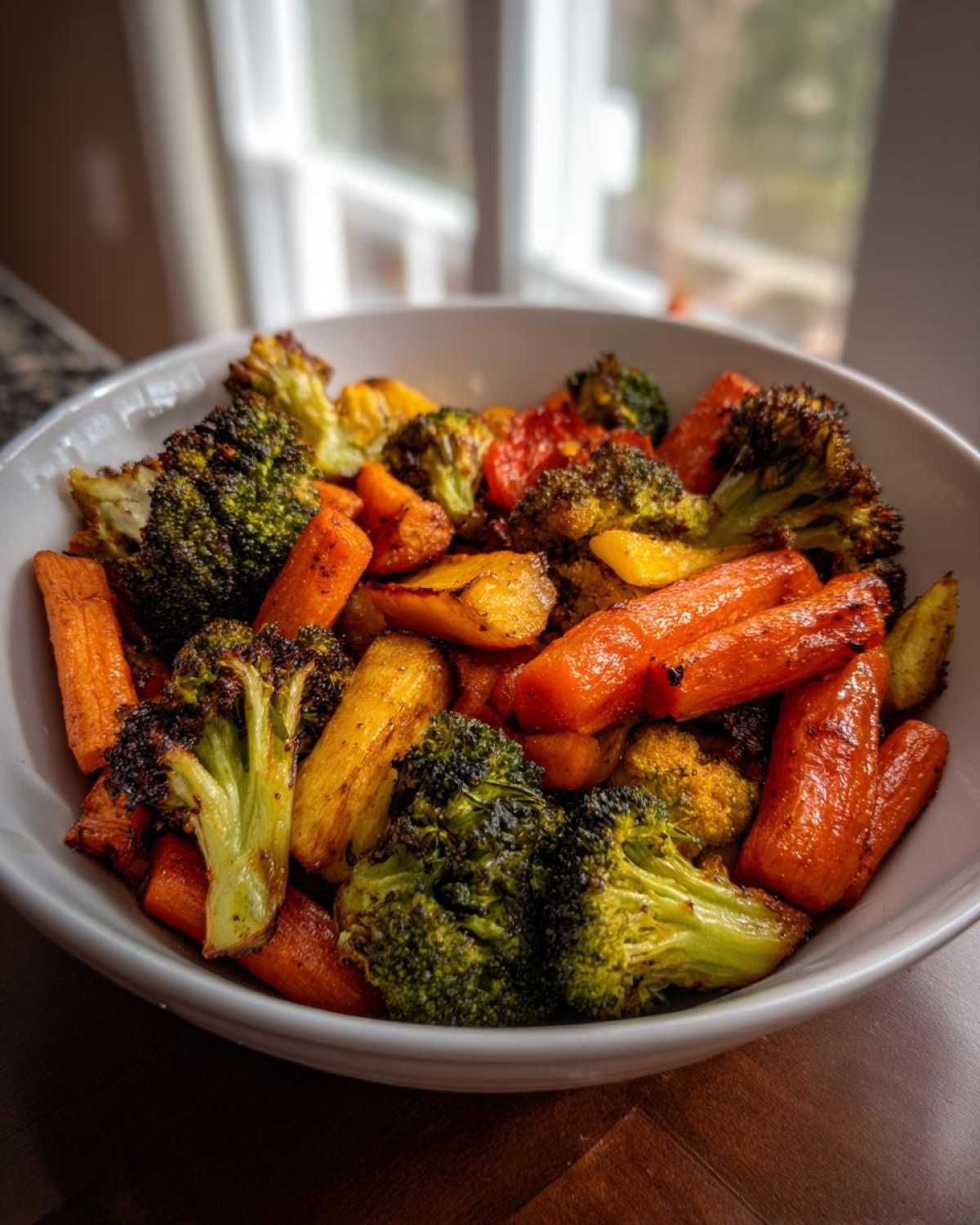
Okay, let’s get down to brass tacks. You don’t need a fridge full of fancy stuff for incredible roasted vegetables. Keep your pantry stocked with these simple things, and you’re set for a weeknight win. We need about two pounds of whatever looks good—broccoli, carrots, maybe some potatoes mixed in—cut them all about the same size, which is crucial! Then, grab three tablespoons of good olive oil. Don’t skimp here; the oil is what carries the flavor and gets things crispy. We finish it off with salt, pepper, garlic powder, and a shake of whatever dried herbs you have on hand. It’s super easy, and you can find more pairing ideas over at my seasoning guide!
Ingredient Notes and Substitution Ideas
When selecting your oil, please use a high-heat one—avocado oil is amazing, or a basic, light olive oil works well. You want something that can handle 425°F without smoking out your kitchen! If you don’t have garlic powder, just use a few cloves of fresh garlic smashed up and tossed in, though fresh garlic can burn faster, so keep an eye on it. Thyme and oregano are my go-to dried herbs, but rosemary is fantastic if you’re roasting root vegetables like potatoes or sweet potatoes. If you want to make this recipe totally vegan roasted vegetables, just stick to this base, as it’s naturally plant-based and packed with flavor!
How to Roast Vegetables Perfectly: Step-by-Step Instructions
Alright, buckle up, because this is where the magic happens. Learning how to roast vegetables perfectly is about process, not just ingredients. We’re going from chopping board to crispy perfection in about 30 minutes. Get your oven preheated to 425°F—it needs to be ripping hot when those veggies hit the pan! Remember, we want roasting, not gentle warming. If you need a super quick version for a busy Tuesday, check out my easy roasted vegetables recipe, but for the absolute best texture, stick to these steps.
Prep Work: Cutting and Drying for Optimal Roasted Vegetables
First things first: chop everything into uniform, bite-sized pieces. If your carrots are huge and your broccoli florets are tiny, you’ll end up with some burnt twigs and some raw chunks! The most overlooked step for no more mushy roasted vegetables? Drying them. If they’re wet from washing, the oil just sits on top instead of coating those surfaces. Pat everything really well with a clean kitchen towel before you even think about adding oil.
The Critical Step: Single Layer for Perfect Roasted Vegetables
This is the big one, the non-negotiable rule for beautiful roasted vegetables: they must be in a single layer on your baking sheet. I know, I know, pans get crowded! But if your veggies are piled on top of each other, they trap steam. Steam equals sogginess. You need air circulating all around every single piece so they can properly crisp up. If you have to use two sheets, use two sheets! It’s way better than scraping mushy disappointment off a pan.
Tips for Success: Mastering Oven Roasting Tips for Vegetables
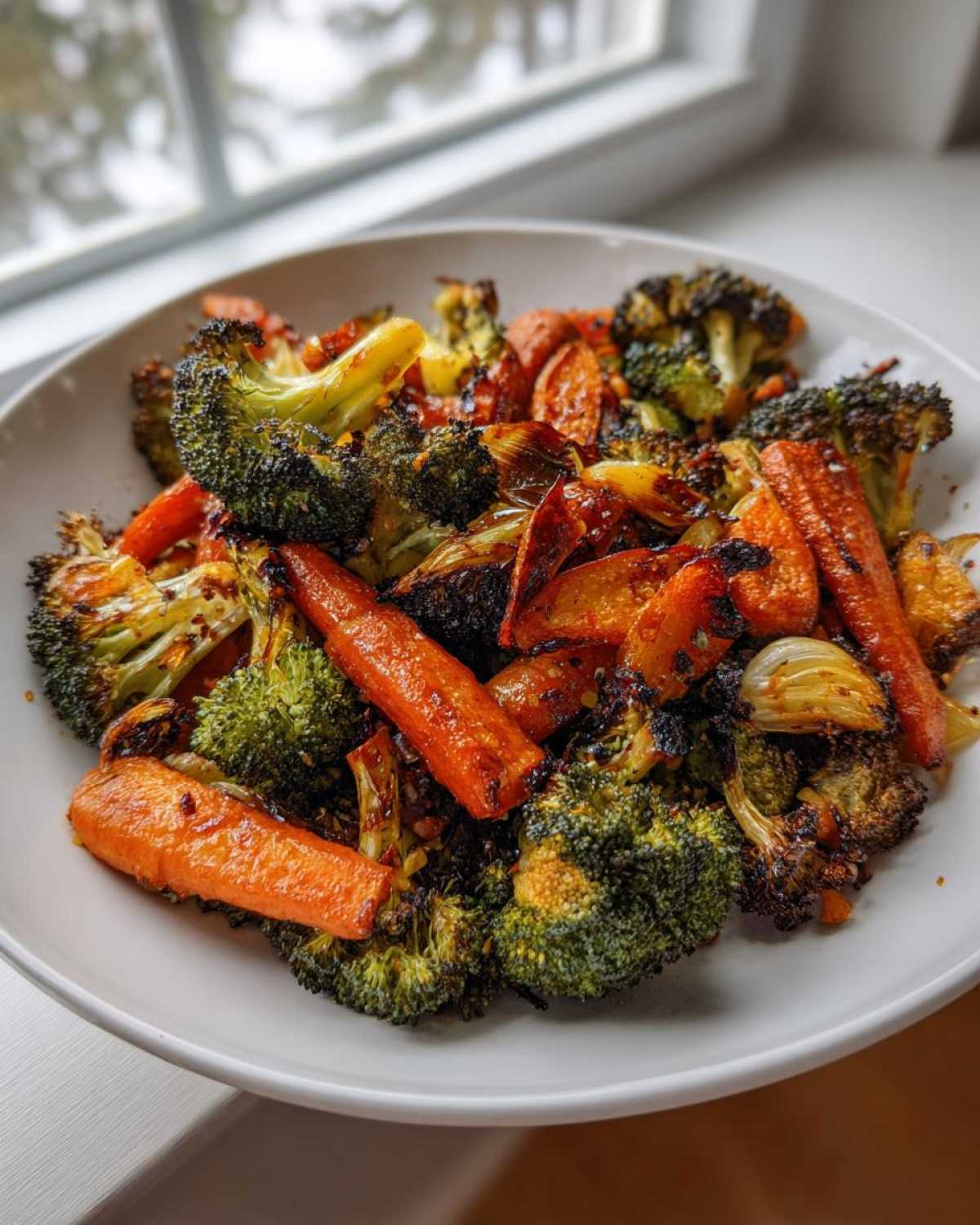
Even with the right heat and spacing, some vegetables need a little extra help to roast beautifully together. Think about root vegetables like potatoes or carrots—they are dense and take way longer than, say, a tender pepper slice or a floret of broccoli. So, here’s my favorite trick for a perfect vegetable medley oven roast: stagger the start times! If I’m doing potatoes and zucchini together, I’ll toss the potatoes with oil and salt and get them roasting for about 10 minutes all by themselves first.
Once those potatoes have a little head start, I pull the pan out (carefully, it’s hot!) and toss in the faster-cooking veggies, covering them all with the rest of the seasoning mix. That little bit of preemptive roasting ensures everything is fork-tender at the same moment. You can find more great advice on this over at my dedicated page for oven roasting tips for vegetables. Also, another tiny thing: if you want extra crispy edges, make sure your veggies are bone dry before they ever see the oil. Seriously, a damp vegetable is the enemy of crispiness!
Versatile Roasted Veggie Recipes: Flavor Variations for Roasted Vegetables
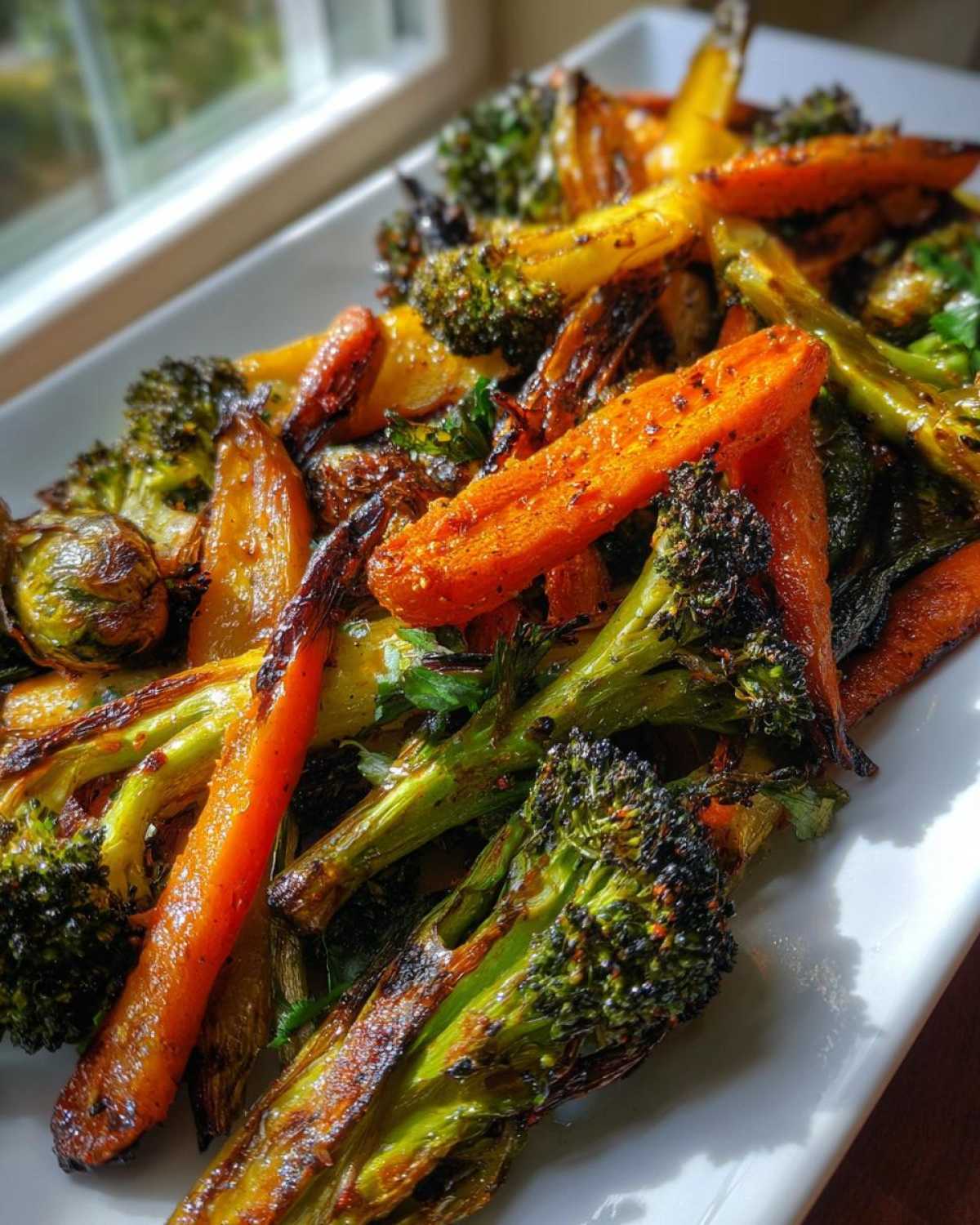
The beautiful thing about mastering that basic high-heat technique is that you can swap out the seasonings and totally transform your dish! Suddenly, those reliable roasted vegetables become a completely new side dish, perfect for any meal. Once you nail the oil and heat, you’re basically just decorating the canvas with flavor. If you want to try something completely different and slightly sweet, check out my recipe for maple-glazed baked donuts—it’ll give you an idea of how well maple works with rich, buttery flavors, which translates perfectly here!
If you’re feeling like something sweeter and tangier, I absolutely adore turning this into a maple dijon roasted vegetables treatment. It’s heavenly on carrots and Brussels sprouts. Or, if you’re feeling savory, stick to garlic and herbs, which is always a big crowd-pleaser for any vegetable medley oven roast!
Creating a Maple Dijon Roasted Vegetables Glaze
This is so simple, you won’t believe the flavor it packs in! When you’re ready to toss your veggies with oil, just ditch the dry spices for a second. Whisk together one tablespoon of Dijon mustard and one tablespoon of pure maple syrup until they are happy and combined. Whisk that mixture right into the olive oil before you toss your veggies. It creates this amazing, shiny glaze that cooks down beautifully in the hot oven. It’s sweet, it’s tangy, and it’s one of my absolute favorites!
Serving Suggestions and How to Use Roasted Vegetables
So, you’ve got this incredible pan of perfectly browned, crisp-edged roasted vegetables. Now what? Don’t just let them sit sadly on the plate as a side; these are too good for that! I constantly use up leftovers for lunch the next day. They are the absolute backbone for any hearty grain bowl you want to make with quinoa or farro. They are fantastic piled on top of toast with a smear of hummus, too. Seriously! If you want a fantastic inspiration for using up lots of veggies at once, you should check out my instructions for sheet pan veggie fajitas; these roasted veggies can easily replace the standard grilled peppers and onions in that recipe for a deeper, smokier flavor.
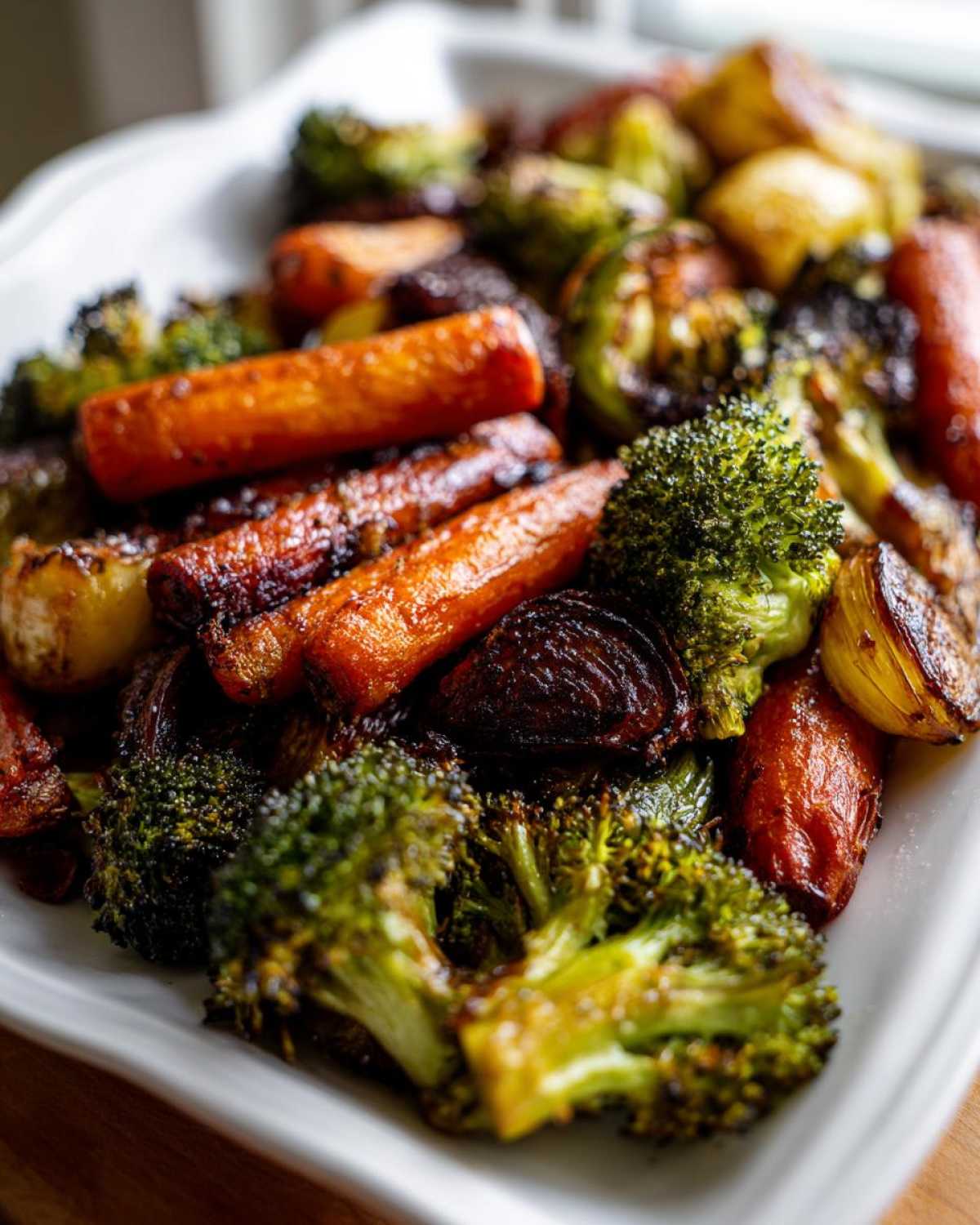
Storage and Reheating Instructions for Leftover Roasted Vegetables
Even the best roasted vegetables sometimes taste even better the next day, but only if you store them right! If you have any leftovers—which I doubt you will, but let’s pretend—you need to cool them completely first. Don’t seal them hot or you’ll trap condensation and turn them soft again, which defeats the entire purpose. Once they are room temperature, pop them into a shallow, airtight container.
When it comes to reheating those crispy beauties, skip the microwave unless you absolutely have to. Microwaving just wakes up the steam inside all that delicious caramelization. My favorite way to bring them back to life is spreading them back onto a baking sheet and popping them into a hot oven (maybe 375°F) for about 5 or 7 minutes. If you have an air fryer, that works even faster and gives you that beautiful crispiness back again. You can find more quick-fix ideas over at my sheet pan fajita recipe page, which uses similar reheating principles!
Frequently Asked Questions About Roasted Vegetables
I get so many questions about roasting, which is totally normal because it seems simple but there are a few tiny things that make a huge difference! People always want to know how to guarantee that they get amazing healthy vegetable side dishes without having to follow a brand new recipe every night. So, here are the things I hear most often when people are trying to master their oven!
What are the best vegetables for roasting?
If it has a bit of natural sugar or starch, it’s going to roast beautifully! My top picks for amazing caramelization are broccoli (cut into smaller florets), carrots, sweet potatoes, and Brussels sprouts. Potatoes are fantastic, but remember they need more time. Also, bell peppers, onions, and cauliflower soak up the seasoning so well! Honestly, most things work if you give them enough heat and space, which is why this is the best roasted vegetables guide—it works for almost everything!
Can I make these roasted vegetables vegan?
Oh my gosh, yes, absolutely! The base recipe here is naturally 100% vegan. We use olive oil instead of butter, and since we aren’t adding any Parmesan cheese or honey glaze to this basic version, you are good to go! They are naturally some of the best, heartiest vegan roasted vegetables you can have, and they pair perfectly with things like my lentil shepherd’s pie, which you can check out right here for a full meal idea!
Why do my roasted vegetables turn out soggy?
That’s the classic problem! It almost always comes down to two things we hammered home in the guide: First, you didn’t dry them well enough after washing. Second, you crowded the pan. If they are too squished, they trap steam, and steam turns everything mushy instead of crispy. Make sure you are using that high heat (425°F) AND spreading them out so every piece has its own space on the sheet tray. That single layer is how you avoid sogginess!
Share Your Perfect Roasted Vegetables
Now that you’ve got the blueprint for the crispiest, most flavorful roasted vegetables in the neighborhood, I really want to hear your results! Did you try doubling up the garlic powder? Did you end up using sweet potatoes and carrots together? Let me know how it went down in the comments below! I read every single one, and I love seeing what flavor variations you come up with.
If you snap a picture of your tray—especially if you nailed that perfect char—please tag me on social media! Seeing your beautiful golden-brown veggies makes my day. If you have any last-minute questions that popped up while you were roasting, don’t hesitate to reach out to me directly through the contact page. Happy roasting, everyone!
PrintThe Ultimate Guide to Perfectly Roasted Vegetables
Learn the simple technique for roasting vegetables to achieve tender interiors and crispy, caramelized edges every time. This guide covers seasoning and timing for perfect results.
- Prep Time: 15 min
- Cook Time: 30 min
- Total Time: 45 min
- Yield: 4 servings
- Category: Side Dish
- Method: Oven Roasting
- Cuisine: General
- Diet: Vegan
Ingredients
- 2 lbs mixed vegetables (e.g., broccoli, carrots, potatoes, bell peppers)
- 3 tablespoons olive oil
- 1 teaspoon kosher salt
- 1/2 teaspoon black pepper
- 1 teaspoon garlic powder
- 1/2 teaspoon dried herbs (like thyme or oregano)
Instructions
- Preheat your oven to 425 degrees Fahrenheit (220 degrees Celsius).
- Wash and chop all vegetables into uniform, bite-sized pieces. Keep pieces similar in size for even cooking.
- Place the chopped vegetables in a large bowl.
- Drizzle the olive oil over the vegetables. Toss them until they are lightly and evenly coated.
- Sprinkle the salt, pepper, garlic powder, and dried herbs over the vegetables. Toss again to distribute the seasoning.
- Spread the seasoned vegetables onto a large, rimmed baking sheet in a single layer. Do not overcrowd the pan; use two sheets if necessary to ensure crisping rather than steaming.
- Roast for 20 to 35 minutes, stirring halfway through the cooking time. The exact time depends on the density of the vegetables.
- Check for doneness: vegetables should be fork-tender inside and show browned, slightly crispy edges.
- Remove from the oven and serve immediately.
Notes
- For extra crispiness, ensure your vegetables are dry before tossing them with oil.
- If using root vegetables like potatoes or carrots, cut them smaller than softer vegetables like zucchini or peppers, or start them roasting 10 minutes before adding the softer ones.
- For a maple dijon flavor, whisk 1 tablespoon of Dijon mustard and 1 tablespoon of maple syrup into the olive oil before coating the vegetables.
- Use high-heat oil like avocado or light olive oil for best results.
Nutrition
- Serving Size: 1 cup
- Calories: 150
- Sugar: 5
- Sodium: 450
- Fat: 9
- Saturated Fat: 1
- Unsaturated Fat: 8
- Trans Fat: 0
- Carbohydrates: 15
- Fiber: 4
- Protein: 3
- Cholesterol: 0
