

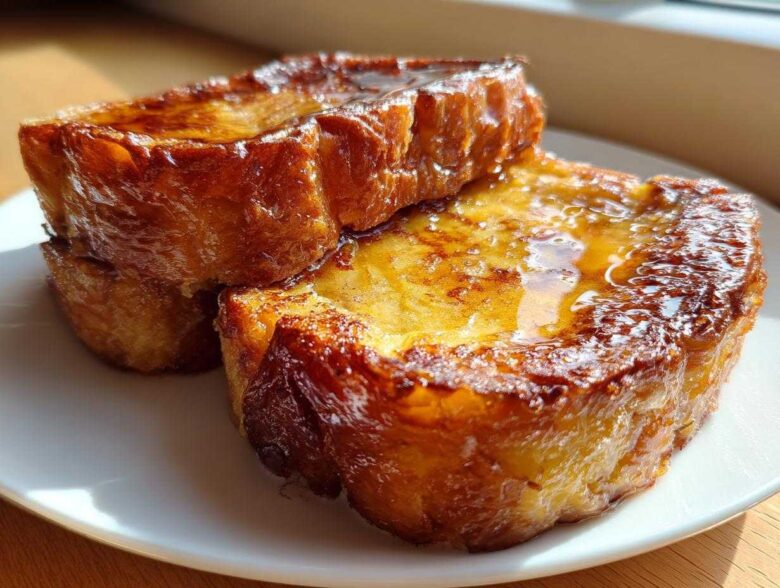
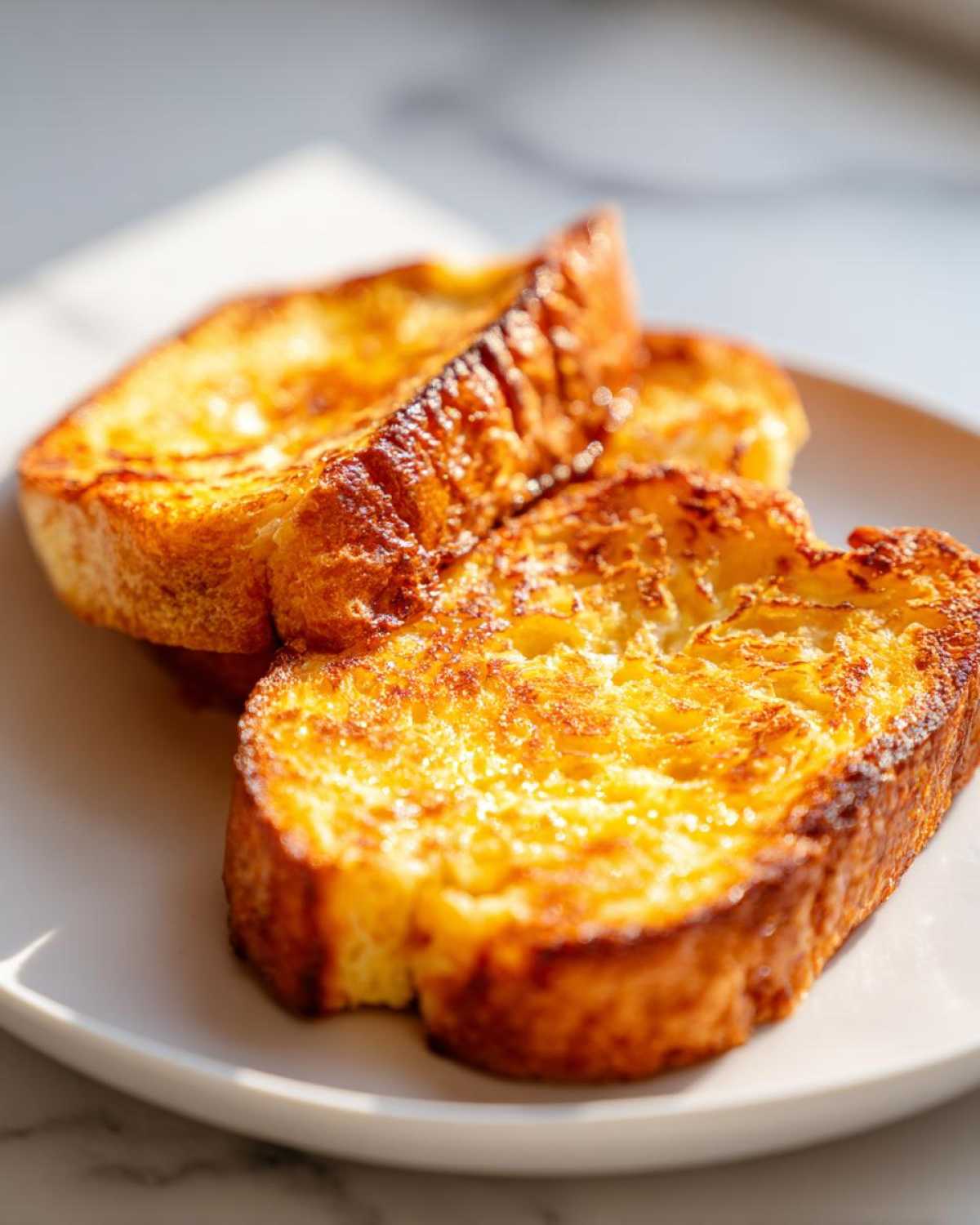
Oh my goodness, listen to me! If you think you know good breakfast, you haven’t met my Ultimate Classic French Toast yet. I spent years messing around with soggy bread and pale, anemic-looking slices. It was a disaster! But I finally cracked the code on making the best french toast—the kind with that heavenly, soft, custardy center that just melts in your mouth, contrasted perfectly by those deep golden, slightly caramelized edges. Trust me, once you nail this ratio of cream to egg, you won’t go back to the old way. For all my favorite morning dishes, you can check out my dedicated breakfast category here on the site!
Why This Is the Best French Toast Recipe You Will Make
I know, I know, everyone claims they have the best french toast recipe, but this one truly delivers on what matters most for a breakfast masterpiece. Forget rubbery bread or runny insides! You absolutely need that textural contrast, and this stovetop method is the secret weapon.
Why you need to make this one:
- Custardy French Toast Center: We use the perfect blend of cream and eggs so the inside bakes up rich, fluffy, and soft—never spongy.
- Crispy French Toast Edges: Proper heat and just the right amount of butter mean you get that delicate crunch when you bite in.
- Quick and Easy: Seriously, from whisking the custard to plating the final slice, you’re looking at about 25 minutes. Perfect for a slightly slower weekday or a relaxed weekend morning.
After testing dozens of ways to perfect this classic, I landed right here. It’s reliable, incredibly delicious, and it tastes like something you’d pay way too much for at a fancy brunch spot. You’ll want to bookmark this entire classic french toast recipe collection now, I promise!
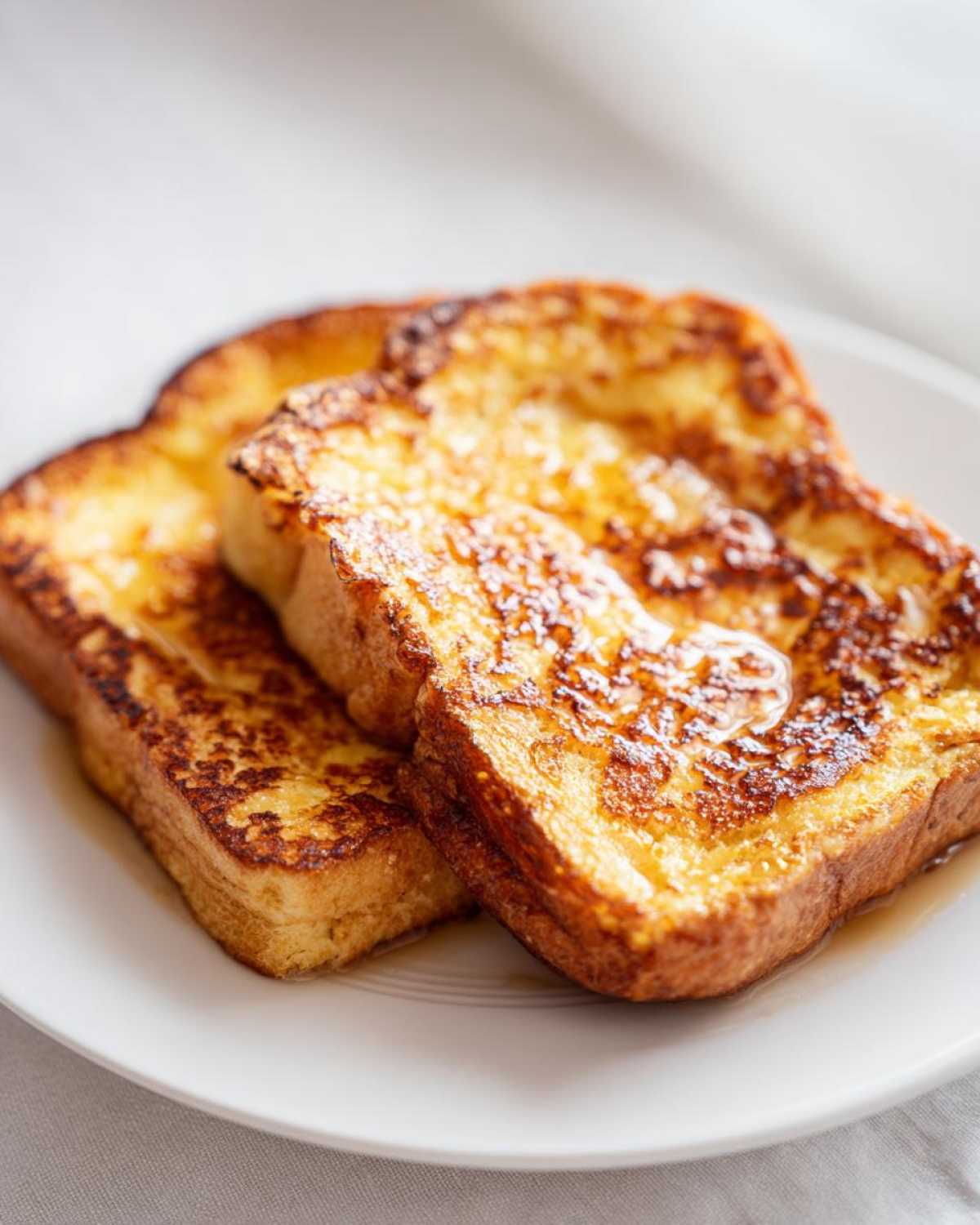
Ingredients for Ultimate Classic French Toast
Okay, let’s talk ingredients because this is where we start building that amazing texture for our custardy french toast center. Don’t rush this part; the quality of your components really shines through in this simple dish. You only need a few things, but choosing the right versions makes all the difference in achieving that crispy edge we love.
Here is what you need to gather up before you start whisking:
- 8 slices thick-cut bread (Brioche or Challah recommended—they’re heavenly!)
- 4 large eggs
- 1/2 cup heavy cream (Don’t skip the heavy cream! This is key!)
- 1/4 cup whole milk
- 2 tablespoons granulated sugar
- 1 teaspoon vanilla extract
- 1/2 teaspoon ground cinnamon
- Pinch of salt
- 2 tablespoons unsalted butter, divided (We need this for browning!)
If you are looking for an even quicker morning version, I keep my easy french toast recipe on deck, but for weekend indulgence, this list is non-negotiable!
Bread Choice Matters for Perfect French Toast
This is my number one expert tip, so pay attention! You cannot use that flimsy, thin white bread you buy for daily sandwiches. It just gets too saturated and turns into mush before it has a chance to start browning outside. We need something sturdy!
I am telling you, go for thick-cut brioche or challah if you can find it. They have structure, and that slight sweetness adds so much flavor. If your bread is super fresh, leave the slices out on the counter for about an hour—just let them get a little stale. A day-old loaf actually soaks up the custard evenly without collapsing on you. Stale bread equals perfect texture; fresh bread equals batter soup!
How to Make Perfect French Toast: Step-by-Step Instructions
Alright, now that we have our gorgeous, thick-cut bread ready and our ingredients measured out, it’s time to bring this whole operation to the griddle! Remember, timing and heat are everything if you want that magic combination of a gooey inside and a crisp outside. We are aiming for restaurant quality here, so keep your eyes peeled and your spatula handy.
First things first: get that skillet—I prefer cast iron for the best heat retention—heating up over medium heat. Don’t be shy with that initial tablespoon of butter! You want it to melt and get slightly foamy before the bread even touches down. This initial sizzle sets the stage for that beautiful browning we are after. If you want to see my full breakdown on achieving this, check out my guide on how to make perfect french toast!
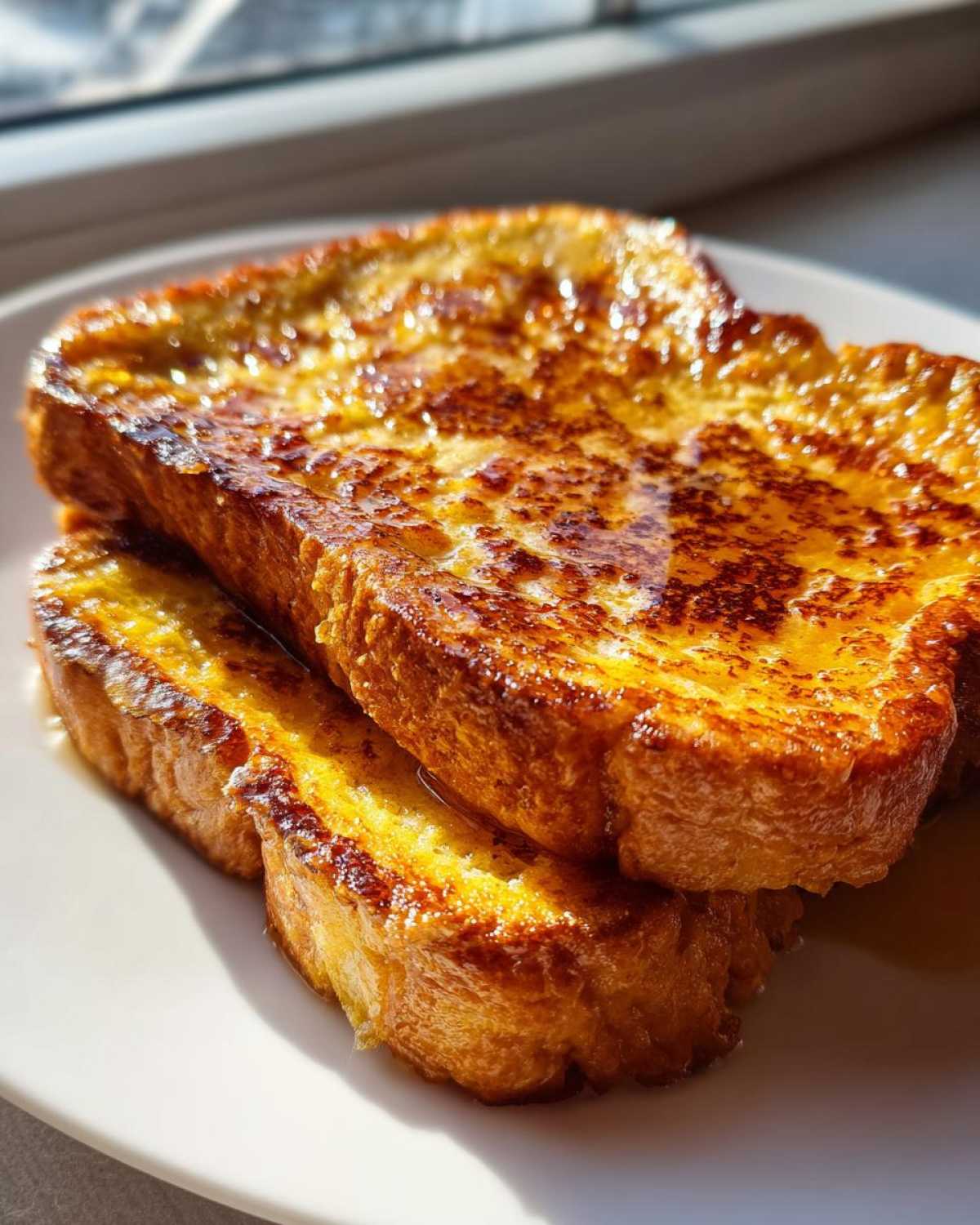
Creating the Rich Custard Base
In your shallow dish, go ahead and whisk up those eggs, cream, milk, sugar, vanilla, cinnamon, and salt. You have to commit to whisking until everything is smooth! I learned the hard way that if the sugar isn’t totally dissolved, you get gritty bits instead of that beautiful, even caramelization later. Keep whipping until it looks homogenous—like liquid gold, really.
Now for the dip! This is where most people panic. You need to let that bread drink up the custard, but not drown in it! For our thick brioche slices, I give each side a solid 20 to 30 seconds. You should see the bread get heavy and saturated, but the middle shouldn’t be actively dripping liquid everywhere when you pull it out. If it collapses when you lift it, you soaked it too long! My expert tip here is to taste a tiny bit of the raw custard—if it tastes perfectly sweet now, it will set up perfectly later.
Achieving Golden, Caramelized French Toast Edges
Once soaked, gently lay the bread onto your hot skillet. Let it cook for about three to four minutes on the first side. This initial cook sets the structure. You should hear that lovely, gentle sizzle. Don’t press down on the bread—that’s a rookie mistake that squishes out all the air we worked so hard to keep in there!
To get those amazing, caramelized edges that make this the best french toast, here’s my pro move: after the first flip, drop the heat down slightly to medium-low. This gives the inside time to finish setting into that custardy center without burning the exterior brown bits. Cook the second side for another three to four minutes. If your pan starts getting dry, toss in that rest of your butter. That fresh butter hitting the hot pan is what creates those unbeatable, crispy, golden edges. It smells like heaven!
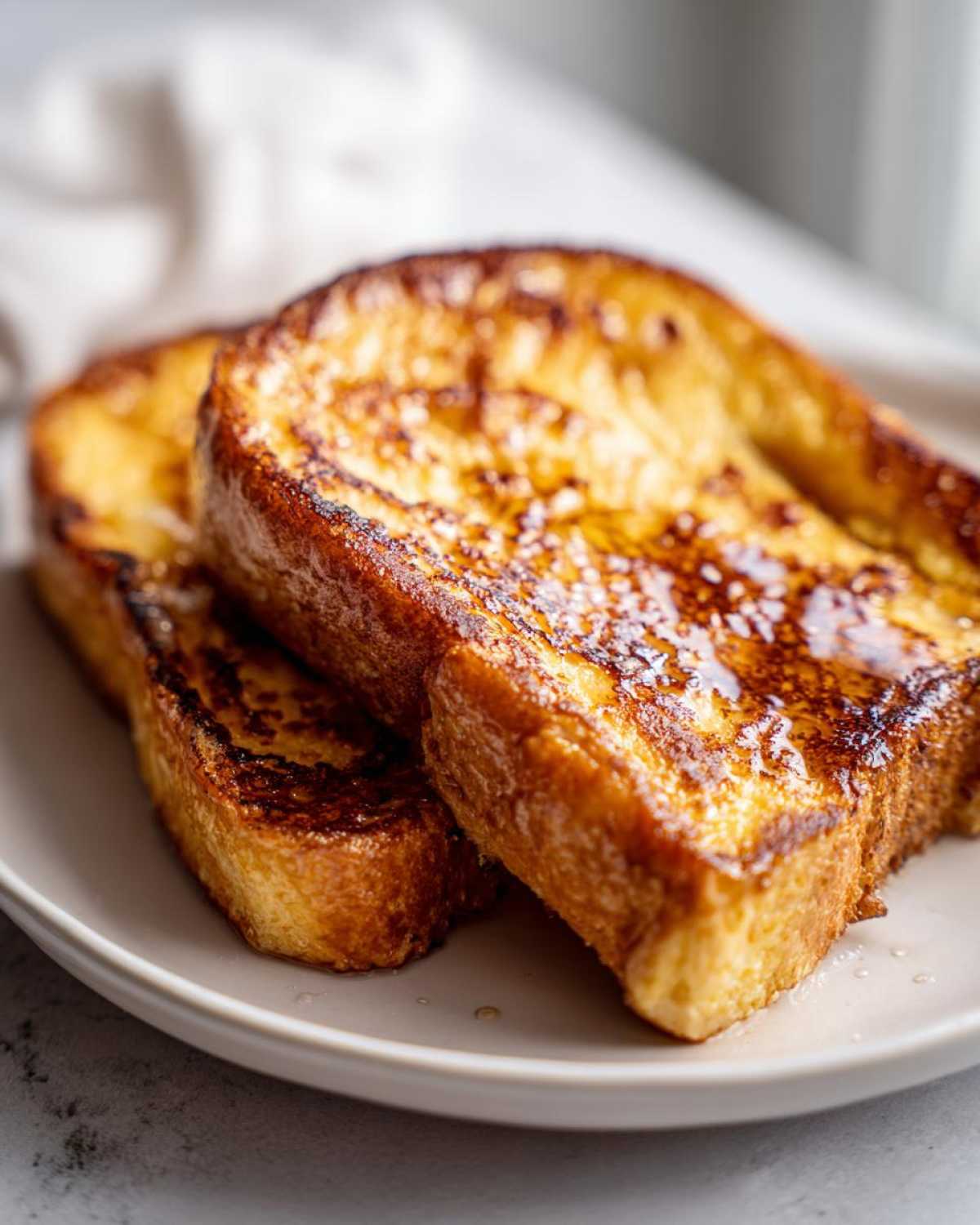
Tips for Fluffy French Toast Success
Even with the perfect recipe, sometimes things go a little sideways, right? Don’t worry! I’ve made enough batches of this french toast to know exactly what usually trips people up. Here are the few little things I always double-check to guarantee that fluffy, non-soggy final product. These really take you from good to truly great.
If you love a fluffy outcome, check out my dedicated guide on fluffy french toast tips; it goes into even more detail on ingredient ratios!
The biggest culprit for a soggy center is usually heat management. You simply cannot cook this mixture hot and fast! If your exterior browns in 60 seconds, that means your center is still cold liquid egg. You really need to cook it medium, maybe even slightly lower than medium, for the full 3 to 4 minutes per side. Patience here equates directly to a set custard.
Another thing: don’t overcrowd the pan! If you try to squeeze six slices onto a regular-sized skillet, the temperature drops instantly. That steam cooks the bread instead of frying it, leading to a pale, gummy texture instead of those beautiful brown spots. Work in batches! If necessary, keep the first cooked slices warming gently on a cooling rack suspended over a baking sheet in a very low oven (about 200°F) while you finish the rest.
Finally, always add fresh butter for each new batch, or at least every other batch. The milk solids in the butter brown beautifully, giving you that classic flavor and color for your french toast. Using old, spent fat just results in uneven browning that clings to the pan.
Serving Suggestions for Your Classic French Toast
Okay, the golden, custardy beauties are ready! Now for the fun part: dressing them up. Since this french toast is already so rich thanks to the heavy cream and eggs—it’s practically dessert for breakfast—you don’t need to pile on tons of heavy stuff. But, of course, tradition calls for a few things!
The absolute non-negotiable for me is pure maple syrup. Not the pancake syrup, use the real stuff! Warm it up slightly; it just pours better. I also love a handful of mixed fresh berries—raspberries or gorgeous sliced strawberries cut right through the richness.
If you’re making this for a big brunch spread, I suggest setting up a little topping station. My husband loves dusting his with powdered sugar, but if you want something extra indulgent, a dollop of homemade whipped cream or a sprinkle of toasted pecans is fantastic. For a real weekend power breakfast, serve a side of crispy bacon or sausage patties to balance the sweetness. You can find all my absolute favorite ways to finish these magnificent slices in my French toast toppings guide!
Storage and Reheating Instructions for Leftover French Toast
If you ever manage to have leftovers—which is rare in my house—storing them is easy! Just let the slices cool completely first, then lay them flat on a sheet of parchment paper inside an airtight container before popping them into the fridge. They’ll keep nicely for about two days, though they’re best eaten sooner.
Reheating is where you bring back that magic! Skip the microwave; it’ll just turn them rubbery. I swear by popping leftover french toast slices into a toaster oven or a regular oven at about 350°F for about 5 to 7 minutes. This gently warms the custardy center while crisping up those delicious caramelized edges again. A quick spritz of water before hitting the oven sometimes helps, too!
Frequently Asked Questions About Making French Toast
It feels like every time I post a picture of this breakfast, the same questions pop up in the comments! Everyone wants to know how to get that perfect texture, so I thought I’d pull the most common ones right here. Remember, making french toast is forgiving, but a few tweaks can make a huge difference between okay and incredible.
Can I use regular sandwich bread for this french toast recipe?
Oh, you totally can use regular sandwich bread, but you have to adjust your soaking time, or you’ll get a sad, soggy slice. Thin bread just doesn’t hold up like brioche or challah. If you are using standard slices, dip them quickly—maybe only 10 or 15 seconds per side. You want them damp, not saturated. If you dip them too long, the interior will turn to mush before the outside can brown, and you certainly won’t get those crispy edges we love!
How do I make this recipe into a baked french toast casserole?
Switching gears to a baked version is such a great idea for feeding a crowd or just prepping ahead for your Sunday mornings! For a make ahead french toast casserole, you generally follow the same custard proportions but layer cubed bread (stale is better here, too!) into a greased baking dish instead of dipping slice by slice. You pour the entire custard mixture over the bread, cover it, and chill it overnight. Then you just bake it off in the morning! It’s the ultimate easy french toast solution for groups. If you want the full details on timing and oven temperature for that method, I have a whole post on make ahead french toast recipes!
Nutritional Estimates for This French Toast
Since this recipe focuses heavily on rich ingredients like heavy cream and brioche, I know some of you are curious about the whole picture! Remember, these numbers are just estimates—they change based on the exact brand of bread you pull out of your pantry or how much butter you use for that perfect golden sear.
We use good quality ingredients here, so we aren’t skimping on flavor, but it’s good to know roughly what you’re sitting down to for a weekend brunch! These are based on two slices of the finished French toast, served plain, without syrup or toppings.
- Serving Size: 2 slices
- Calories: 350
- Fat: 18g
- Saturated Fat: 9g
- Carbohydrates: 35g
- Protein: 14g
- Sugar: 15g
- Sodium: 300mg
See? Totally worth it for that custardy center! Because we are using real cream and eggs, the fat content is higher than recipes that just use milk, but that’s what keeps the inside perfectly moist and stops it from drying out. If you need to adjust this for dietary reasons, swapping the heavy cream for half-and-half will bring the fat content down a little bit without destroying the texture.
Share Your Perfect French Toast Creation
Honestly, my favorite part of sharing these recipes isn’t just telling you *how* I make them, it’s seeing what you all do with them! That perfect slice of french toast deserves to be shown off.
Seriously, if you make this, I want to know all about it. Did you go minimal with just sugar and butter, or did you go wild with whipped cream and toasted nuts? Drop a star rating down below so other readers can see how much you loved that custardy center! Nothing makes my day more than seeing you all enjoy these simple breakfasts.
If you snap a picture of your plate—especially if you got that beautiful caramelization just right—tag me on social media! I always share your amazing results on my stories. It keeps me motivated to keep testing new weekend breakfast ideas for you all!
And if you have any burning questions that I somehow missed in the FAQ section, please reach out to me directly through my contact page. I’m always here to troubleshoot any stuck batter or confusing steps!
PrintThe Ultimate Classic French Toast with Caramelized Edges

Make perfect French toast with a rich, custardy center and golden, crisp edges using this simple stovetop method.
- Prep Time: 10 min
- Cook Time: 15 min
- Total Time: 25 min
- Yield: 4 servings
- Category: Breakfast
- Method: Stovetop
- Cuisine: American
- Diet: Vegetarian
Ingredients
- 8 slices thick-cut bread (Brioche or Challah recommended)
- 4 large eggs
- 1/2 cup heavy cream
- 1/4 cup whole milk
- 2 tablespoons granulated sugar
- 1 teaspoon vanilla extract
- 1/2 teaspoon ground cinnamon
- Pinch of salt
- 2 tablespoons unsalted butter, divided
Instructions
- In a shallow dish, whisk together the eggs, heavy cream, milk, sugar, vanilla extract, cinnamon, and salt until well combined. This is your custard base.
- Heat a large skillet or griddle over medium heat. Add 1 tablespoon of butter and let it melt until it foams slightly.
- Dip each slice of bread into the custard mixture, allowing it to soak for about 20 to 30 seconds per side. Do not over-soak if using standard sandwich bread; soak longer for very thick bread.
- Place the soaked bread onto the hot skillet. Cook for 3 to 4 minutes per side until golden brown and slightly crisp on the edges.
- For extra caramelization, reduce the heat to medium-low during the last minute of cooking on each side.
- Remove the cooked French toast from the skillet and keep warm while you cook the remaining slices, adding the remaining butter as needed.
- Serve immediately with your preferred toppings.
Notes
- For a richer custard, substitute 1 extra egg yolk for one whole egg.
- Use medium heat to cook; high heat burns the outside before the center sets into a custard.
- If you want a crispier edge, use slightly less liquid in the custard mixture.
Nutrition
- Serving Size: 2 slices
- Calories: 350
- Sugar: 15
- Sodium: 300
- Fat: 18
- Saturated Fat: 9
- Unsaturated Fat: 9
- Trans Fat: 0.5
- Carbohydrates: 35
- Fiber: 2
- Protein: 14
- Cholesterol: 180
