

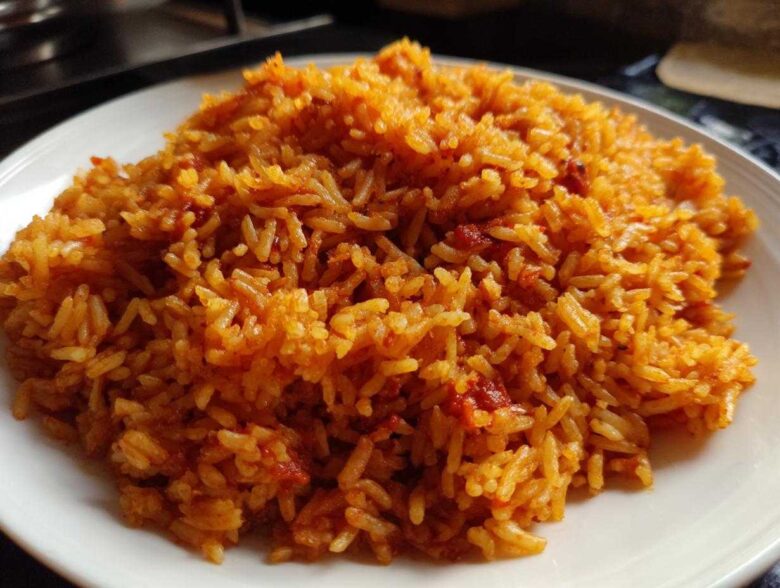
Oh, if there’s one dish that just screams celebration, family, and pure, unadulterated flavor, it’s Jollof Rice. Seriously, West African cuisine holds the key to so many incredible dinners, but for me, nothing beats that deep, sunset color and intoxicating aroma. I spent years trying to perfect my Authentic & Smoky Nigerian Jollof Rice until I finally cracked the code for a foolproof, one-pot method that even gives you that amazing ‘party’ char without burning the whole pot! Trust me, once you nail the rich tomato base, this jollof rice becomes your signature dish. Check out all my favorite kitchen thoughts over at the main blog here: my cooking adventures!
I know folks get intimidated by making it for the first time, especially worrying about mushy results. But my method focuses heavily on rinsing the rice just right and trapping that steam—it keeps everything fluffy, bright, and vibrant. You’ll get that incredible depth of flavor that usually takes hours, all ready for your dinner table tonight!
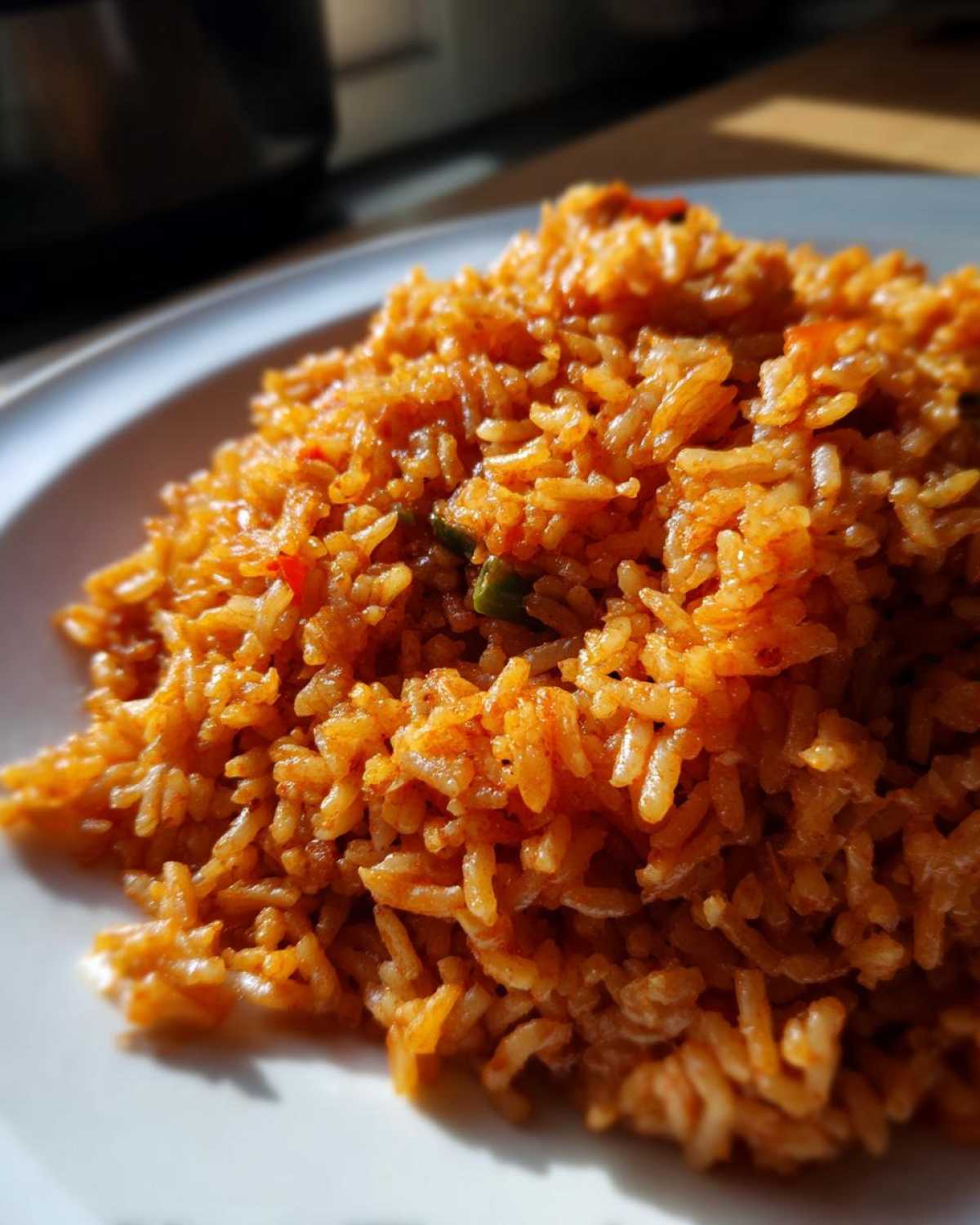
Why This Nigerian Jollof Rice Recipe Works for Beginners
Everyone asks me what makes this specific jollof rice recipe so reliable, especially for folks new to West African Cuisine. Honestly, it comes down to locking in the flavor and texture from the very beginning. We aren’t fiddling around with layers; we build everything right in one pot. It takes the stress right out of dinner!
Here’s why I know you’ll succeed with this one:
- One-Pot Simplicity: We build that incredible base right where the rice cooks. Less cleanup means more time enjoying the meal!
- Rich, Authentic Flavor: Frying the tomato paste until it darkens—that’s a game-changer. It gives you that deep, non-sour base color and taste every time.
- Fluffy Rice Technique: The rinsing and the deliberate, low-and-slow steaming with foil is our secret weapon against soggy rice.
Achieving Authentic Smoky Jollof Flavor
Now, we have to talk about smoke! That distinct, delicious edge you find in party jollof? It comes from letting the bottom layer of rice gently scorch against the hot pot while it steams. Seriously, don’t panic if you smell it starting to stick just a little bit toward the end of the cooking time. That’s the goal!
Once the rice is perfectly tender and you take the lid off, just gently fluff and mix the top layers through. Leave that slightly darkened layer at the bottom for an extra minute or two if you’re brave before you stir it in. That slight char is what separates a good rice dish from legendary stuff!
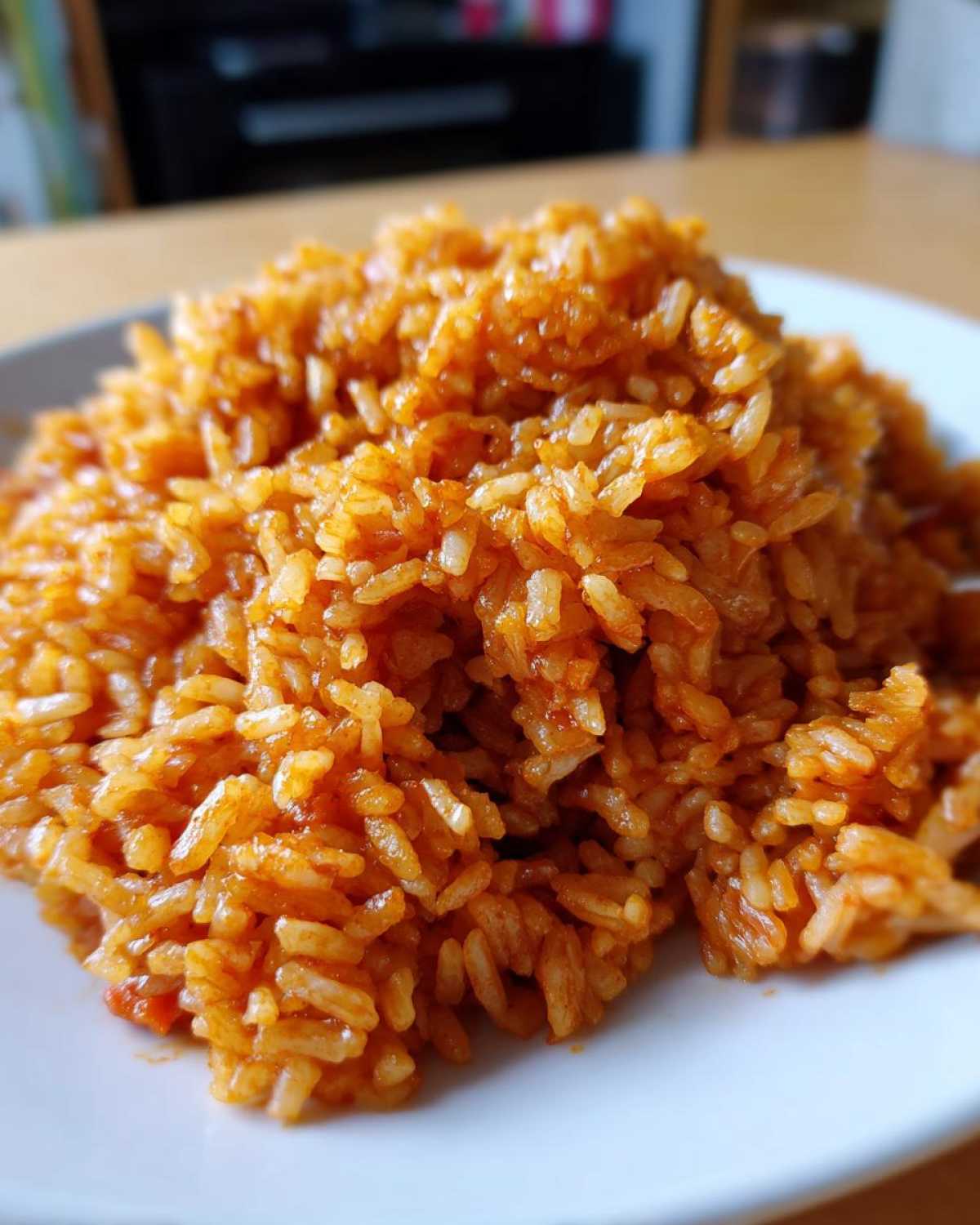
Essential Ingredients for Perfect Jollof Rice
If you want incredible jollof rice, you have to start with the absolute best ingredients, especially for that base sauce we spend so long perfecting. Everything you put into that blended pepper mixture sings in the final result! I have my standard list of must-haves ready to go whenever I’m making a big batch, because you can’t fake that deep flavor, right?
Look at the list—you’ll see we rely on fresh components like those four ripe tomatoes and the bell peppers for sweetness. Don’t even think about skipping the scotch bonnet, although you can adjust how much you use based on your heat preference. We want flavor, not just fire!
For the rice itself, I always recommend stock over plain water when possible. It builds flavor layers even before the rice starts cooking. If you want to check out how I make my go-to chicken stock when I’m not using a store-bought version, I share that method over here: my favorite chicken and dumplings base!
Ingredient Notes and Substitutions for Your Jollof Rice Recipe
The rice choice is crucial, trust me on this one. I insist on long-grain parboiled rice. Why? Because it holds its shape so much better during that long steaming period. Basmati is gorgeous, but it can turn soft too quickly if you look away for a second. Parboiled rice gives you that satisfying, resilient grain.
When it comes to heat, if you’re deeply worried about the scotch bonnet, you can start with just half and taste the sauce once it’s reduced. If you need more kick, you can always add a dash of cayenne pepper later, but the fresh pepper gives the best fruity heat!
And stock—always try to use chicken or beef stock, something rich. If you are going completely vegetarian, a very well-seasoned vegetable broth works, but you might need to bump up your thyme and curry powder a little bit to compensate for that missing meaty depth.
Step-by-Step Instructions: How to Make Jollof Rice
Okay, this is where the magic happens! Making truly fantastic jollof rice is all about process. I’ve broken down the steps logically so you don’t miss anything important, especially when dealing with the pepper base. Remember, we want deep flavor, not just spicy water dumped over rice. We are building intensity right here in the pot before the rice even goes in.
If you’re ready to roll up your sleeves, let’s get cooking! And don’t forget, you can find my great recipe for chicken tikka masala if you need a fantastic side dish to go with this: amazing tikka sauce guide.
Creating the Rich Traditional Jollof Base
First things first: we need that vibrant, smooth pepper blend. Toss your onion, tomatoes, bell peppers, ginger, and scotch bonnet into the blender. Get it as fine as you can. Don’t skimp on the blending!
Next, grab your heavy pot and get that oil hot. Sauté those thinly sliced onions until they look happy—about three minutes. Now, here is the most important part of this phase: add your tomato paste to that hot oil and fry it! Stir constantly for five minutes until it darkens to an almost brick-red color. This step cooks out the raw, metallic taste and gives your Authentic African Rice that beautiful depth.
Pour in your blended pepper mixture and all those spices—thyme, curry, bay leaves. Let this boil and reduce heavily. It needs to simmer for a solid 15 to 20 minutes uncovered. You have to wait until that sauce looks thick enough to coat the back of a spoon. If it’s too watery now, your rice will be soggy later. Patience here is everything!
The Fluffy Rice Technique for Perfect Jollof Rice
Once your sauce is reduced, it’s time for the rice. Make sure you rinse your parboiled rice really well under cold water until the water runs clear. This washes off the excess starch, which is key for getting that fluffy result in your jollof rice.
Add the rinsed rice directly to the thick sauce and stir it gently—just enough so every grain gets coated in that glorious red mixture. Then, pour in your stock. This is critical: the liquid should just barely cover the rice. No extra! Too much liquid guarantees mush.
Bring it all up to a strong boil, then immediately turn the heat down to the absolute lowest setting you have. Seal it up! Place a layer of aluminum foil over the pot opening, and then place the lid tightly on top of that. We want zero steam escape. Let it sit, undisturbed, for 25 to 35 minutes. Do not peek! Just trust the system. When you finally lift that lid, fluff it gently with a fork, and you’ve got perfect rice!
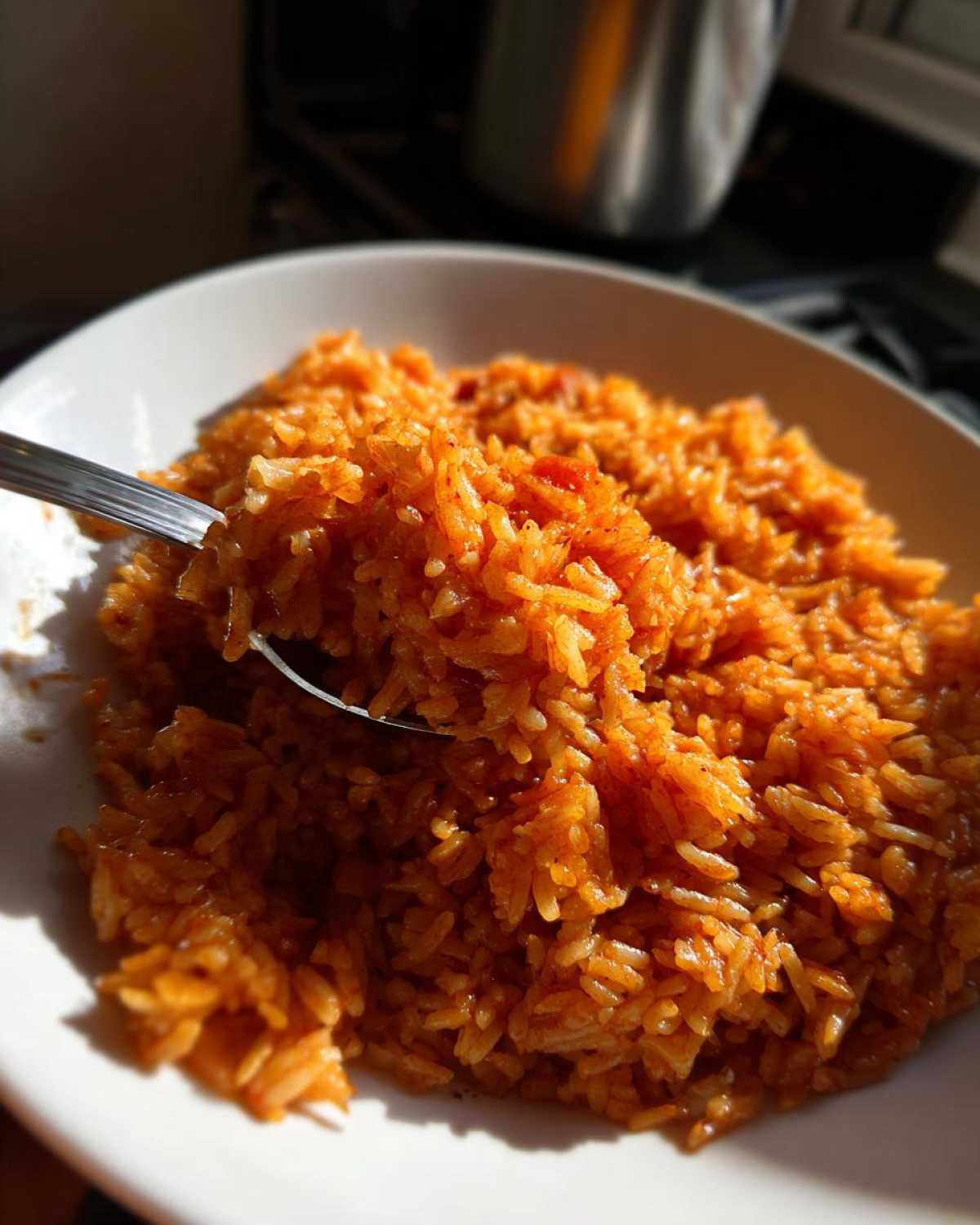
Tips for Success When Cooking Jollof Rice
Honestly, nailing that authentic texture in jollof rice comes down to a couple of small things I learned the hard way over the years. Once you pay attention to these details, you’ll be making legendary batches every single time. It’s less about complicated measurements and more about respecting the steam!
You absolutely must rinse that rice until the water runs clear. I can’t stress this enough; it removes the surface starch that turns good rice into heavy clumps. Check out my quick guide on the best ways to handle rice for any dinner if you want more tips: handling rice for dinners.
Another non-negotiable rule: Once the foil and lid are on and the heat is low, hands off! Don’t stir it while it’s steaming. You need that undisturbed heat to work its magic and create the smoky flavor we love. That slight scorching is your reward for patience!
Serving Suggestions for Your Spicy Rice Meal
Now that you have this gorgeous, flavorful rice—the centerpiece of any great gathering—you need the supporting cast! A good spicy rice meal sings loudest when you pair it with the right sides. For me, nothing finishes the plate like something sweet to cut through the savory pepper sauce.
When I make a big pot of this, I always plan for two things: something hearty and something sweet. You absolutely have to have fried plantains alongside it. The caramelized sweetness next to the savory rice? Perfection!
If you’re looking for a great main course to serve alongside this, I highly recommend pairing it with something grilled or barbecued. I use my own simple marinade for pineapple chicken skewers that works incredibly well with the rich tomato base. You can check out my recipe for barbecue pineapple chicken skewers for an amazing flavor match!
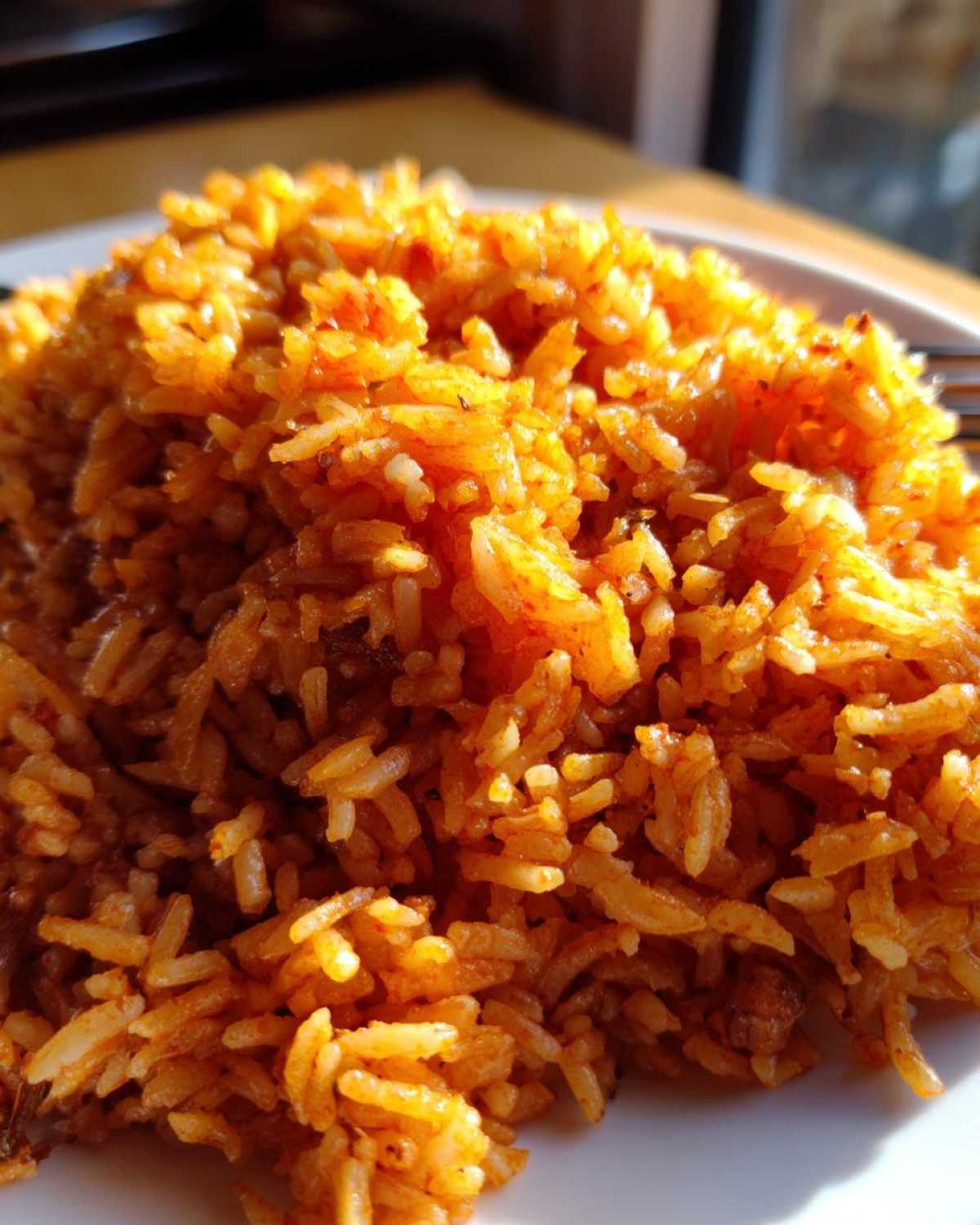
Honestly, you can keep it simple too. Grilled fish or even just a Nigerian-style goat meat stew works beautifully. No matter what you choose, make sure you have a crisp, fresh salad or a side of coleslaw to bring some coolness to the table!
Storage and Reheating Your Leftover Jollof Rice
So, the only thing better than fresh jollof rice is *leftover* jollof rice the next day—it gets even better, right? Store whatever you don’t finish in an airtight container in the fridge. It lasts beautifully for about three to four days. Don’t leave it sitting at room temperature for too long, though; we want to keep this deliciousness safe!
When you’re ready to eat it again, the trick to keeping it from drying out is adding moisture back. If you reheat it in a microwave or on the stovetop, splash in just a tiny bit—maybe a tablespoon—of water or extra stock. Cover it tightly, and let that steam work its magic. It brings the texture right back to fluffy perfection!
Frequently Asked Questions About Authentic African Rice
I always get questions flooding in about the finer points of making this type of rice. It’s an iconic West African dish for a reason, and there are always little variations people want to know about! Don’t hesitate to reach out if you have a specific culinary question; I love hearing from fellow cooks! You can always drop me a line over on my contact page here: Contact Me.
What is the main difference between Nigerian Jollof Rice and Ghanaian Jollof Rice?
This is the million-dollar question that starts friendly debates across the continent! Generally speaking, the main difference often comes down to the rice grain and the foundational flavor. Nigerian recipe versions usually insist on long-grain parboiled rice, which gives that distinct, firmer, separate grain texture. Ghanaian versions often lean toward basmati, which can be softer. Also, the Nigerian base tends to focus heavily on deep tomato paste frying for color, while Ghanaian cooks sometimes incorporate different spices or smoke techniques.
How do I absolutely prevent my rice from getting mushy?
Mushiness is the enemy! It almost always comes down to two things: rinsing and liquid ratio. First, you must rinse the rice thoroughly until the water is totally clear, washing away that surface starch. Second, and this is huge, make sure your sauce is thick enough before you add the grains. The liquid should barely cover the rice when you let it simmer, not swamp it. If you add too much stock or water, you’re making soup, not fluffy rice technique!
Can I use water instead of stock for this highly flavorful rice meal?
You certainly *can*, but I really wouldn’t recommend it if you are aiming for that deep, savory richness. The stock is where you build so many flavor levels instantly. Even if you use a lower-sodium stock, it carries seasonings way better than plain water does. If you must use water, make sure you bump up the thyme, curry powder, and maybe add a bouillon cube or powder to compensate for that missing body in your Spicy Rice Meal.
Is it necessary to fry the tomato paste for so long?
Yes, yes, and yes! If you want that beautiful, deep red color and that complex, almost sweet-savory flavor profile that signals this is a truly rich pepper rice, you have to fry the paste. Raw tomato paste tastes tinny and slightly sour. Frying it concentrates the sugars and cooks out the raw flavor. It might seem like it takes forever when you’re standing over the stove, but those five minutes staring at the pot are worth the incredible payoff!
What stock is best if I’m aiming for a vegetarian version?
If you’re aiming for the best foundation for your Easy Tomato Rice without meat stock, focus on building a really robust vegetable stock. Sauté onions, celery, and carrots with mushrooms (if you like that umami depth) before adding water. Season that stock aggressively with herbs and maybe a dash of smoked paprika to try and mimic a tiny bit of that savory depth you lose by skipping chicken or beef stock.
Estimated Nutrition for This Jollof Rice Recipe
I always like to give you a rough idea of what you’re looking at when you sit down with a generous serving of this incredible jollof rice. Keep in mind, since we are using homemade stock and adjusting peppers, these numbers are just starting points! We estimate about 450 calories per serving, with a nice balance of carbs (around 70g) and protein (12g).
Here’s the quick breakdown:
- Calories: 450
- Fat: 15g
- Carbohydrates: 70g
- Protein: 12g
- Sugar: 8g
This is based on 6 generous servings. As always, check out my full disclaimer page here for more details on how these estimates are calculated. Dig in!
Share Your Experience Making Jollof Rice
I genuinely love hearing from everyone who tries this dish! Did you nail the smoky char on your jollof rice? Did you use fried plantains on the side? Please, please tell me all about it in the comments below!
Rate your experience, leave a star rating, and don’t be shy about uploading a picture of your beautiful, vibrant pot of rice. Serving up incredible West African classics like this is why I love being in the kitchen, and sharing your success makes my day!
PrintAuthentic & Smoky Nigerian Jollof Rice

A beginner-friendly, one-pot recipe for rich, flavorful Nigerian Jollof Rice featuring a deep tomato and pepper base and techniques for achieving a smoky finish.
- Prep Time: 20 min
- Cook Time: 55 min
- Total Time: 75 min
- Yield: 6 servings
- Category: Main Dish
- Method: Stovetop Cooking
- Cuisine: West African
- Diet: Vegetarian
Ingredients
- 3 cups long-grain parboiled rice
- 1 large onion, roughly chopped
- 4 large ripe tomatoes
- 2 red bell peppers (tatashe)
- 1 scotch bonnet pepper (or to taste)
- 1 inch ginger, peeled
- 4 cloves garlic
- 1/2 cup vegetable oil
- 1/4 cup tomato paste
- 4 cups chicken or beef stock
- 2 teaspoons dried thyme
- 1 teaspoon curry powder
- 2 bay leaves
- 1 teaspoon salt (or to taste)
- 1/2 teaspoon black pepper
- 1 small onion, thinly sliced (for steaming)
Instructions
- Prepare the pepper base: Blend the roughly chopped onion, tomatoes, bell peppers, ginger, and scotch bonnet until smooth.
- Heat the vegetable oil in a large, heavy-bottomed pot over medium heat. Add the thinly sliced onion and sauté until softened, about 3 minutes.
- Add the tomato paste to the oil and fry for 5 minutes, stirring constantly until it darkens slightly. This deepens the flavor.
- Pour the blended pepper mixture into the pot. Add thyme, curry powder, bay leaves, salt, and black pepper. Stir well.
- Bring the sauce to a boil, then reduce heat and simmer uncovered for 15 to 20 minutes, stirring occasionally, until the sauce has reduced and thickened significantly.
- Rinse the parboiled rice thoroughly under cold water until the water runs clear. Drain well.
- Add the rinsed rice to the tomato sauce. Stir gently until every grain of rice is coated with the sauce.
- Pour in the chicken or beef stock. The liquid should just cover the rice; add a little water if necessary, but avoid excess liquid to prevent mushiness.
- Bring the mixture to a boil, then immediately reduce the heat to the lowest setting. Cover the pot tightly with foil, then place the lid on top. This traps the steam.
- Allow the rice to steam for 25 to 35 minutes without opening the lid.
- After 25 minutes, check one grain. If it is tender, turn off the heat. If it is still hard, cover and cook for another 5-10 minutes.
- Once cooked, remove the lid and foil. Fluff the rice gently with a fork. If you desire a smoky flavor, leave the bottom layer of rice slightly burnt for a few minutes before fluffing and serving.
Notes
- For the best smoky flavor, do not stir the rice once it is steaming on low heat. The slight burning at the bottom creates the characteristic ‘party Jollof’ taste.
- Serve this rice hot with fried plantains, grilled chicken, or coleslaw.
- Use long-grain parboiled rice; basmati can be used but requires careful monitoring to prevent it from becoming too soft.
Nutrition
- Serving Size: 1 serving
- Calories: 450
- Sugar: 8
- Sodium: 550
- Fat: 15
- Saturated Fat: 3
- Unsaturated Fat: 12
- Trans Fat: 0
- Carbohydrates: 70
- Fiber: 4
- Protein: 12
- Cholesterol: 0
