

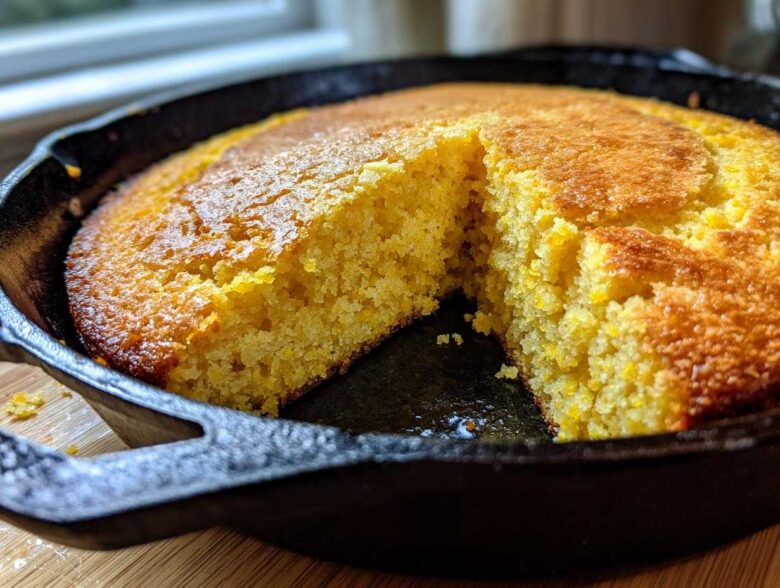
There is truly nothing better than the smell of freshly baked bread filling the house, is there? For me, growing up in a family where baking was a language of love, that scent usually meant something hearty and comforting was coming out of the oven. And what’s more comforting than a perfect slice of buttermilk cornbread? This recipe, one that feels deeply rooted in the traditions my Grandma taught me, is my absolute go-to. Forget dry, crumbly hunks of cornmeal! I’m sharing the secret to a supremely moist and tender batch that crisps up beautifully in the skillet. It’s the perfect accompaniment to a big bowl of chili or piled high with smoky BBQ pulled pork. If you want to know more about how our little cooking family started, check out our story over at Savor Sensations!
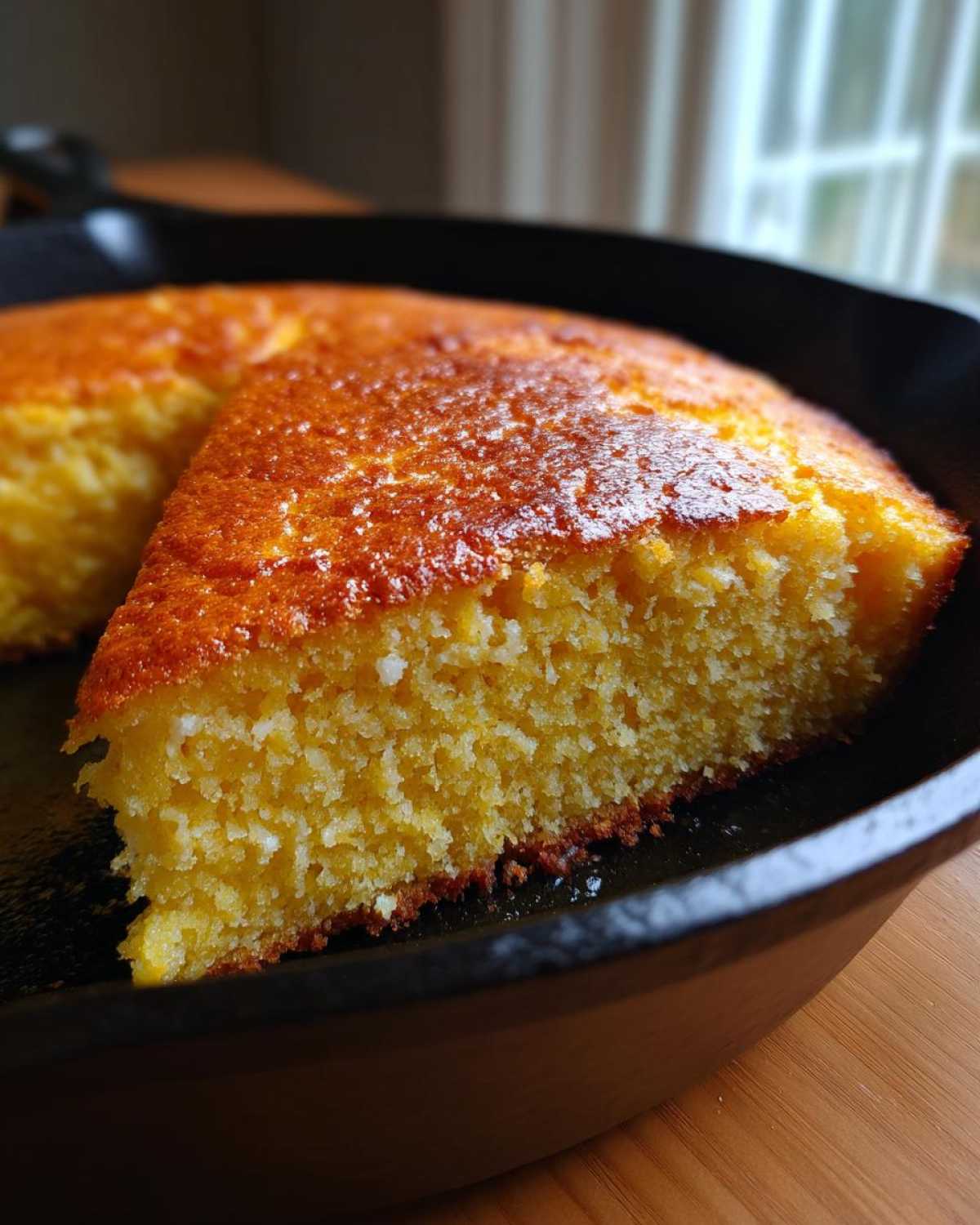
Why This is the Best Buttermilk Cornbread Recipe (Moist Cornbread Secrets)
I know there are a million ways to make cornbread out there, but trust me when I say this buttermilk cornbread hits just right. It’s the recipe that truly delivers that “melt-in-your-mouth” experience we all chase. It’s not too sweet, but it definitely isn’t strictly savory either—it’s that perfect middle ground that works with everything!
Key Attributes of Our Buttermilk Cornbread Recipe
- You get the most incredible texture. We’re talking unbelievably fluffy cornbread inside!
- That little bit of sugar ensures the flavor pops without tasting like cake.
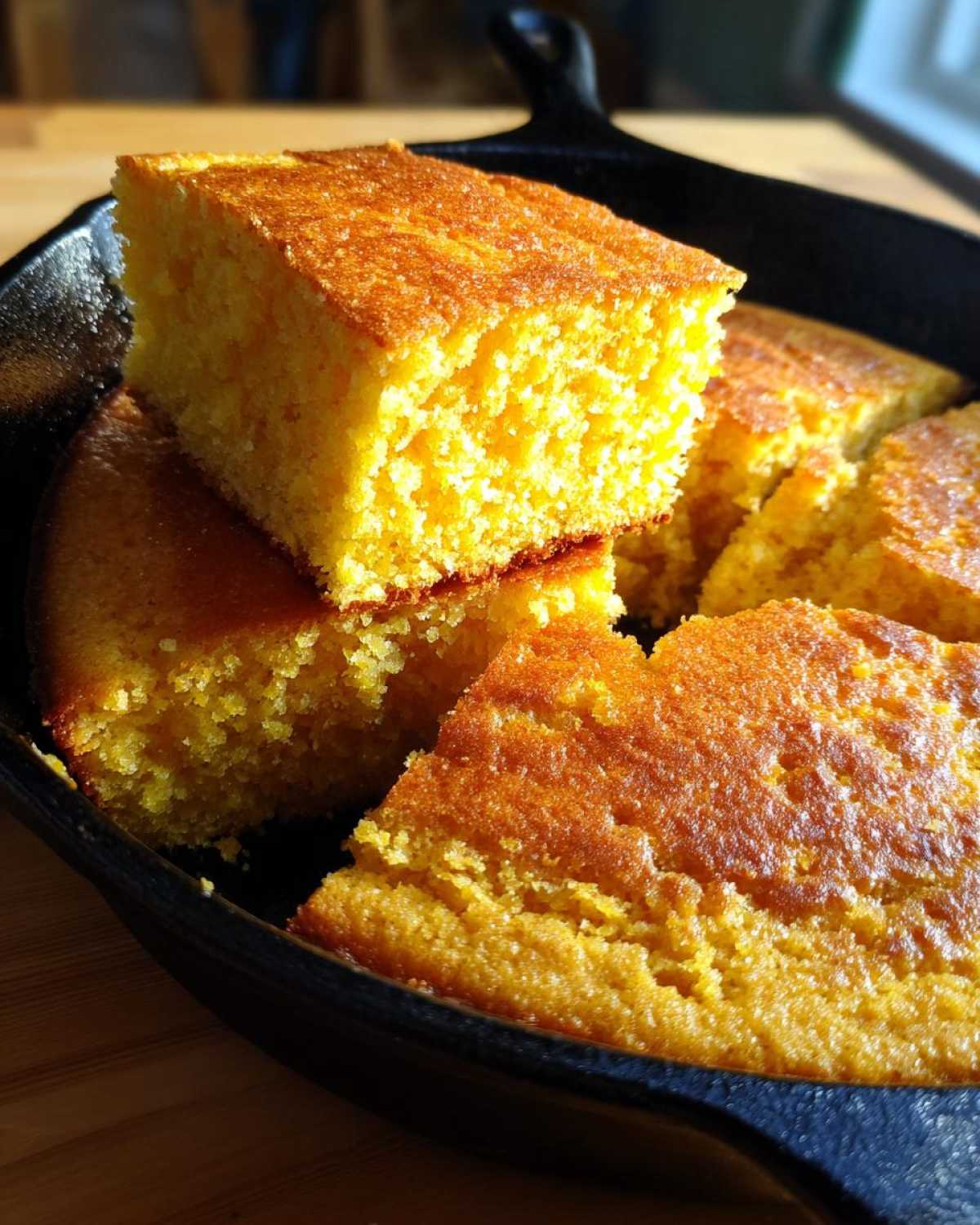
- The magic happens in that screaming-hot cast iron skillet, which guarantees those signature crispy, crackly edges. If you want the best crust on your cast iron cornbread, this is how you do it.
- It stays wonderfully moist cornbread for days, which is the ultimate test, honestly.
Gathering Your Ingredients for Classic Buttermilk Cornbread
Okay, ready to gather your supplies? This buttermilk cornbread recipe uses such simple ingredients, you probably have most of what you need right now! We keep the ingredient list tight, focusing on real flavor and that classic texture. Remember, buttermilk is our star player here; don’t skimp on the real stuff for the best results!
- 1 1/2 cups all-purpose flour
- 1 cup yellow cornmeal
- 1/4 cup granulated sugar (we like it balanced, but you can adjust!)
- 1 tablespoon baking powder
- 1 teaspoon salt
- 1 cup buttermilk (full-fat is best!)
- 1/2 cup unsalted butter, melted, plus extra for greasing the skillet
- 2 large eggs, lightly beaten
Ingredient Notes and Substitutions for Buttermilk Cornbread
If you look at that sugar amount and immediately think, "Nope, too sweet for me," don’t panic! You can absolutely reduce that granulated sugar down to just two tablespoons if you prefer a more strictly savory cornbread. That’s my sister Sasha’s tweak, by the way! Also, if your buttermilk is thick, I always suggest giving it a quick whisk before measuring. It helps everything combine much more smoothly later on.
How to Prepare the Ultimate Cast Iron Cornbread
Alright, this is where the real Southern technique comes in! Making incredible buttermilk cornbread isn’t just about what you put in the bowl; it’s about what you do *before* the batter even hits the pan. Follow these steps precisely, and you’ll see why this is famous in our friend group—it’s so easy, too!
- First things first: crank that oven up high to 400 degrees Fahrenheit! While it’s heating up, pop your 10-inch cast iron skillet right in there so it gets absolutely scorching hot.
- In your big mixing bowl, we’re combining our dry team: whisk the flour, cornmeal, sugar, baking powder, and salt together until they look totally uniform.
- In a separate smaller bowl, gently whisk your wet team: the buttermilk and the two eggs. We don’t want to beat air into this yet!
- Now, pour the wet mixture right into the dry. Mix it gently—and I mean *gently*—until you see no more streaks of flour. The batter should look a little lumpy.
- Carefully take that piping hot skillet out of the oven. Quickly toss about 2 tablespoons of your melted butter into the hot pan and swirl it around. It should sizzle and pop right away! That’s the sound of flavor happening!
- Pour the remaining melted butter into your batter and stir it just one quick time to incorporate it.
- Immediately pour all that batter into the sizzling hot, buttered skillet. It should make a beautiful sound.
- Bake for about 20 to 25 minutes until it’s gorgeous golden brown on top and firm in the middle. Let it rest for five minutes before cutting!
Preheating the Skillet for Perfect Buttermilk Cornbread Edges
Listen, if you skip heating that cast iron skillet, you are missing the entire point of Southern cornbread! When you pour the batter into that hot, butter-coated surface, the edges instantly start cooking and crisping up while the middle steams nice and high. That sizzle creates the crispy, chewy, crackly crust that everyone fights over. Don’t worry if you think the pan is too hot—that’s exactly how we want it!
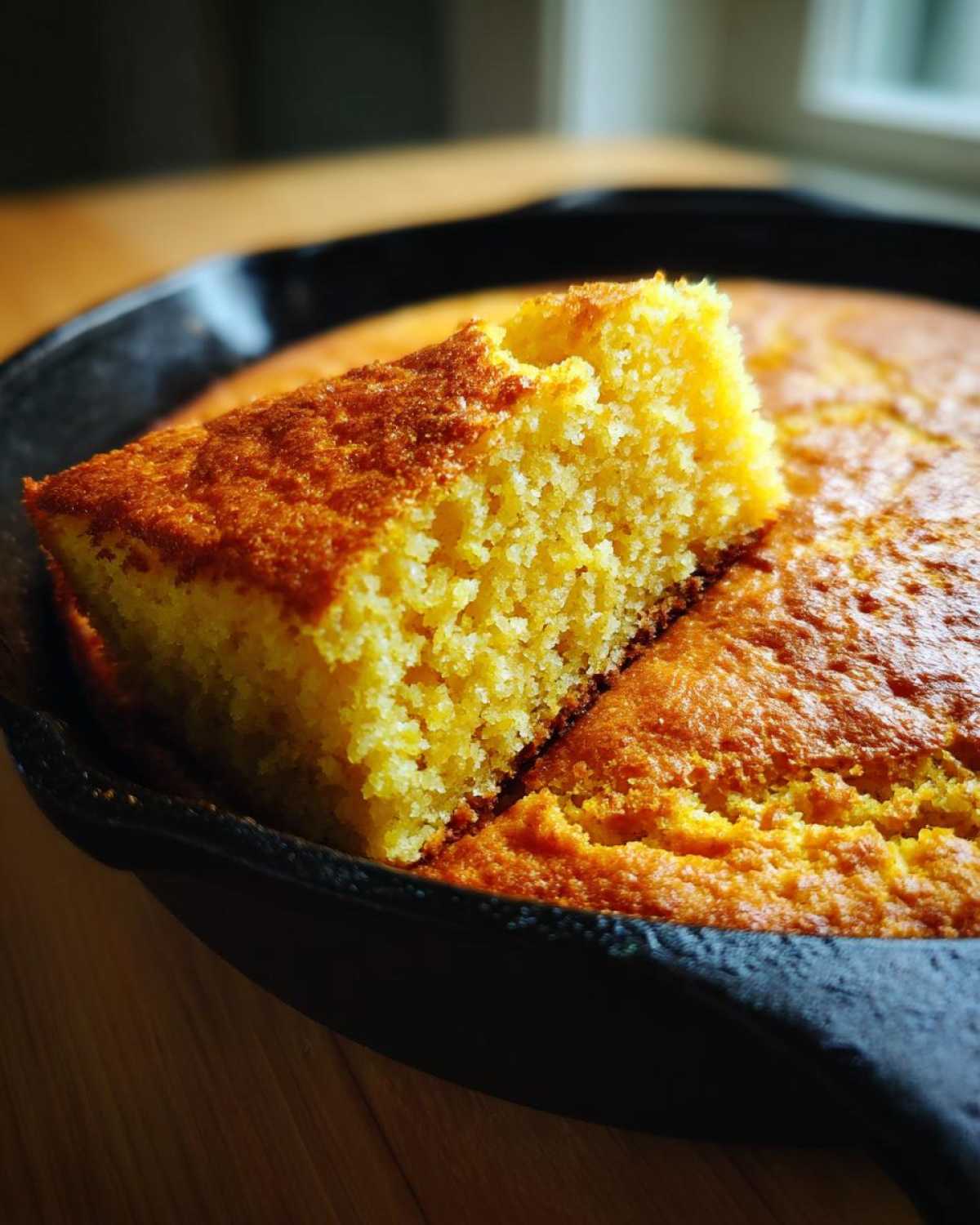
Mixing Tips for Fluffy Cornbread Texture
The biggest mistake you can make with any quick bread, including this recipe, is overmixing. When you see those dry ingredients get incorporated, stop stirring! I can’t stress this enough. If you keep mixing once the wet and dry have mostly combined, you start building tough gluten strands. That’s what turns your fluffy cornbread into something chewy and dense, and we absolutely do not want that here. A few lumps are your friends!
You can always check out my general tips for baking over on the Savor Sensations Blog if you ever need a quick refresher on technique!
Tips for Success with Your Homemade Cornbread
Now that you’ve conquered the mixing and heating steps, I have a couple of extra little tricks from my kitchen—the kind of things you only learn after baking maybe a hundred batches of homemade cornbread. These are my little insurance policies to make sure you get that tender crumb and flawless finish every single time.
When you pour the batter into that hot skillet, work fast! The second the batter hits the hot butter, it starts cooking perimeter-first, so you want to get it evenly distributed before the edges set too hard. Also, when testing for doneness, don’t just rely on the toothpick standing straight up; I always gently press my finger on the top middle part. If it springs back gently without leaving an indent, it’s done. If it sinks even a little, give it three more minutes.
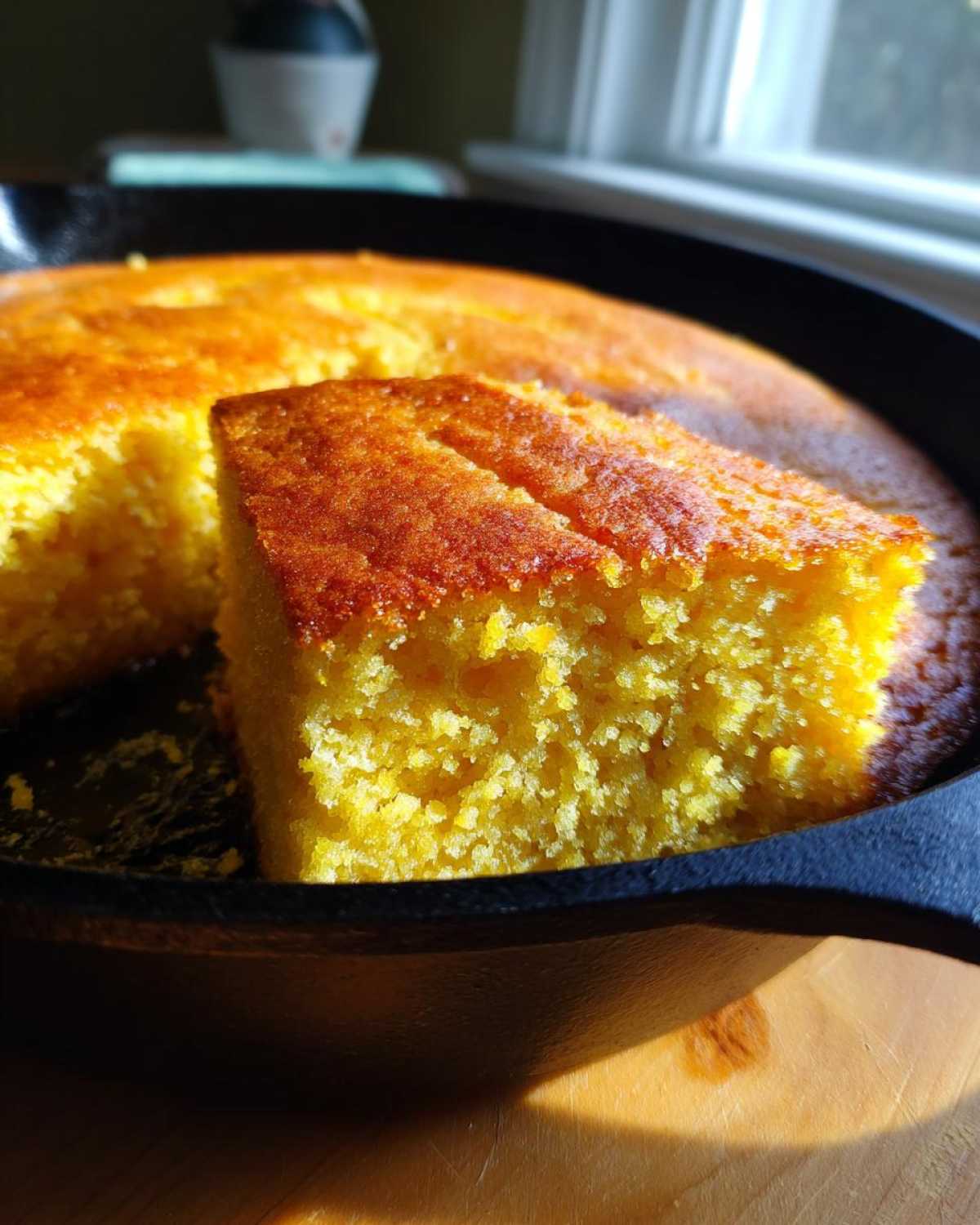
If you’re looking for more foundational knowledge on quick breads like this, I’ve put together a little guide on my favorite quick bread recipes that might help iron out any other baking kinks you have!
Serving Suggestions for Your Buttermilk Cornbread
The best part about this simple buttermilk cornbread is how versatile it is! It’s a mandatory classic American side dish in my house, especially when we are serving something saucy. My absolute favorite pairing is right alongside a big, steaming bowl of chili—it’s necessary for scooping up every last bit. It’s fantastic with any kind of BBQ, too, especially something smoky!
When you pull that golden square out of the skillet, don’t even think about eating it plain. You absolutely have to serve it warm. A thick smear of salted butter that melts right into the crumb is heaven. If you want a touch of sweetness, drizzle it with honey! Trust me, it makes these dinner breads sing. If you’re looking for a great pairing recipe, our Sweet Potato and Black Bean Chili is incredible with this bread; you can find that recipe right here on the site!
Storing and Reheating Your Buttermilk Cornbread
This cornbread is so delicious, you’re going to want to make sure you save some for later! Because we use all that good butter and buttermilk, this isn’t the kind of bread that molds instantly, but you still need to treat it right. If you have leftovers, I always prefer keeping it right on the counter, covered tightly with foil or plastic wrap, for up to two days. That keeps the crust somewhat protected while keeping the inside softer.
If you need it to last longer than that—maybe you made a huge batch for a gathering—then yes, the fridge is the spot. Just make sure it’s sealed up really well in an airtight container because cornbread can dry out fast once it hits those cold temps.
Now, the reheating part is crucial! You absolutely cannot eat cold, day-old cornbread! Take your slice, wrap it loosely in a damp paper towel—yes, damp!—and pop it into the microwave for about 10 to 15 seconds. That little bit of steam brings back that just-baked moisture perfectly. If you’re reheating the whole piece, wrap it in foil and put it in a 300-degree oven until it’s warmed through. Those crispy edges will come right back to life!
Frequently Asked Questions About Buttermilk Cornbread
Every time I share this recipe, folks have fantastic questions about how to make it turn out just right for their table. Since this is a bit of a traditional cornbread recipe, I totally get why you want clarification! Here are some of the things I hear most often when people are tackling their first batch of homemade cornbread.
Can I make this Southern Cornbread without buttermilk?
Oh, the emergency situations! Yes, you can totally manage if you run out. You need that acidity for the baking powder to activate properly, so the very best substitute for true buttermilk is this trick: take regular milk—any milk you have—and stir in about a tablespoon of white vinegar or fresh lemon juice for every cup of milk you need. Let it sit on the counter for about five to ten minutes until it looks slightly curdled. It works in a pinch, but honestly, nothing beats the real deal for that authentic Southern cornbread tang and super moist texture.
Is this Easy Cornbread Recipe better sweet or savory?
That is the eternal cornbread debate, isn’t it? For this specific recipe, I’ve balanced it in the middle—it has that slight sweetness from the 1/4 cup of sugar that keeps it from being too bland, but it’s not screamingly sweet like some cake-style recipes. If you prefer a purely savory cornbread, go right ahead and cut that amount down to just two tablespoons, or honestly, even skip it entirely! It will still bake up beautifully thanks to all that glorious fat and buttermilk.
Nutritional Snapshot of This Classic American Side Dish
Okay, I know some of you are just dipping into this recipe for the sheer joy of a good side dish, but for those of you keeping track, I wanted to lay out the numbers for our buttermilk cornbread. Knowing what goes into your food is important, and since we aim for full transparency here at Savor Sensations, here’s what you can generally expect per serving. This is the kind of comforting food we don’t need to worry about too much, but data is data!
Keep in mind that these figures are close estimates based on the ingredients listed above, and they can shift a tiny bit depending on the exact brands you use, especially for the butter. Since we’re counting this as 8 servings, if you cut yourself a giant slice for your chili bowl, you might be looking at a little more fat than we estimated here!
- Serving Size: 1 slice
- Calories: 240
- Total Fat: 13g
- Saturated Fat: 7g
- Carbohydrates: 27g
- Sugar: 6g
- Protein: 5g
- Sodium: 350mg
It’s a solid, satisfying contribution to the meal. Those numbers really show off why this recipe earns its spot as a true classic American side dish—it has the good fats and the carbs to make that BBQ or soup feel complete. Enjoy it warm!
Share Your Buttermilk Cornbread Creations
Now that you’ve got that beautiful, buttery, crispy-edged buttermilk cornbread cooling on the counter, the mission is complete! But the adventure isn’t over yet. I truly get such a thrill out of seeing your kitchen successes. Did you make it with a ton of honey on top? Did you use it to soak up a giant bowl of soup? Let me know!
Please, please leave a rating and review right below this post. Hearing how the recipe worked for you—especially if you tried preheating that cast iron skillet—helps other bakers feel confident trying it out too. We read every single comment, and it genuinely feels like we’re cooking together even miles apart!
If you snap a photo of your golden creation, tag us on social media! We love seeing your beautiful bakes. If you need to reach out with a specific question about substitutions or technique, you can always get in touch with us through our Contact Page. Happy baking, friends. I hope this slice of comfort makes your whole week better!
PrintAnya’s Best Moist Buttermilk Cornbread (Classic Southern Style)
You will love this easy buttermilk cornbread recipe. It bakes up moist and tender with a slight sweetness, perfect as a classic American side dish for chili or barbecue.
- Prep Time: 10 min
- Cook Time: 25 min
- Total Time: 35 min
- Yield: 8 servings
- Category: Side Dish
- Method: Baking
- Cuisine: American
- Diet: Vegetarian
Ingredients
- 1 1/2 cups all-purpose flour
- 1 cup yellow cornmeal
- 1/4 cup granulated sugar
- 1 tablespoon baking powder
- 1 teaspoon salt
- 1 cup buttermilk
- 1/2 cup unsalted butter, melted, plus extra for greasing the skillet
- 2 large eggs, lightly beaten
Instructions
- Preheat your oven to 400 degrees Fahrenheit. Place a 10-inch cast iron skillet in the oven while it preheats.
- In a large bowl, whisk together the flour, cornmeal, sugar, baking powder, and salt.
- In a separate medium bowl, whisk together the buttermilk and the eggs.
- Pour the wet ingredients into the dry ingredients. Mix gently until just combined; do not overmix.
- Carefully remove the hot skillet from the oven. Add about 2 tablespoons of the melted butter to the hot skillet and swirl to coat the bottom and sides completely. The butter should sizzle.
- Pour the remaining melted butter into the batter and stir briefly.
- Pour the batter immediately into the hot, buttered skillet.
- Bake for 20 to 25 minutes, or until the top is golden brown and a toothpick inserted into the center comes out clean.
- Let the cornbread cool in the skillet for 5 minutes before slicing and serving warm.
Notes
- For extra crispy edges, make sure your cast iron skillet is fully preheated before adding the batter.
- If you prefer a less sweet cornbread, reduce the sugar to 2 tablespoons.
- This cornbread pairs wonderfully with honey or a pat of salted butter.
Nutrition
- Serving Size: 1 slice
- Calories: 240
- Sugar: 6
- Sodium: 350
- Fat: 13
- Saturated Fat: 7
- Unsaturated Fat: 6
- Trans Fat: 0
- Carbohydrates: 27
- Fiber: 1
- Protein: 5
- Cholesterol: 65
