

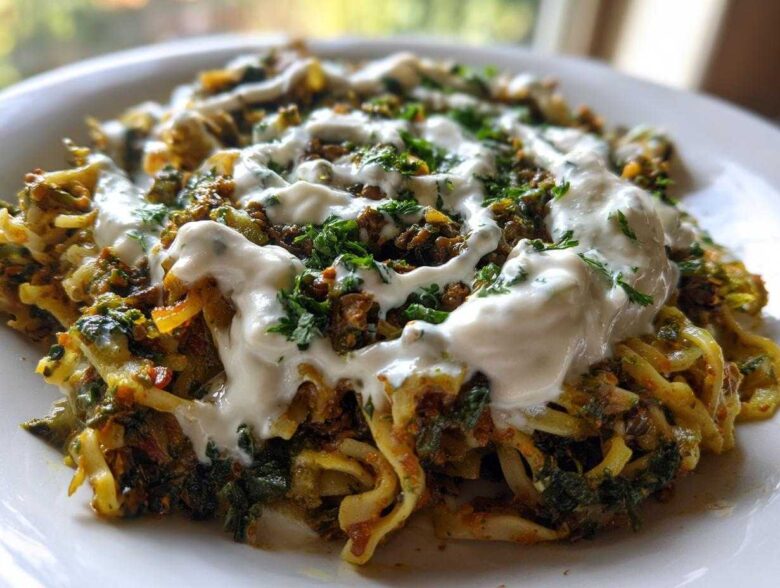
Oh my goodness, if you are looking for the absolute definition of soul-soothing, hug-in-a-bowl food, stop what you are doing and make this Persian noodle soup right now! I’m talking about Ash Reshteh, the king of Iranian comfort cuisine. This isn’t just any meal; it’s rich, it’s green from all those amazing fresh herbs, and it’s packed with protein from the beans. Trust me, once you master this, it will quickly become your go-to for any chilly evening or when you just need a little bit of tradition on your plate. Seriously, the smell alone is enough to make you feel cozy! If you want to check out some other great dishes on the site, feel free to browse my general recipe archives while your beans soak!
Why This Persian Noodle Soup (Ash Reshteh) is a Must-Make
I know you see a lot of soup recipes floating around, but I promise you, Ash Reshteh hits differently. It’s robust! It’s got this incredibly complex, earthy flavor thanks to the mountain of fresh herbs you toss in. You’re going to feel utterly satisfied after a bowl of this—it’s a complete meal, not just a light starter. If you’re looking for something amazing we’ve covered before that’s also packed with beans, check out my hearty Tuscan bean soup—though this one has a totally unique Persian flair!
- It’s wonderfully hearty and packed with fiber and protein, making it incredibly filling.
- It’s naturally vegetarian and easily made vegan—hello, plant-based power!
- The fresh herb blend provides a depth of flavor you just don’t get from dried soups.
A Truly Traditional Persian Noodle Soup Experience
The secret here is keeping true to tradition. We aren’t skimping on the parsley, cilantro, and dill. That massive quantity of greens cooks down beautifully, transforming the broth into something aromatic and deeply flavorful. It tastes like history in a bowl, honestly!
Perfect as a Nourishing Winter Soup
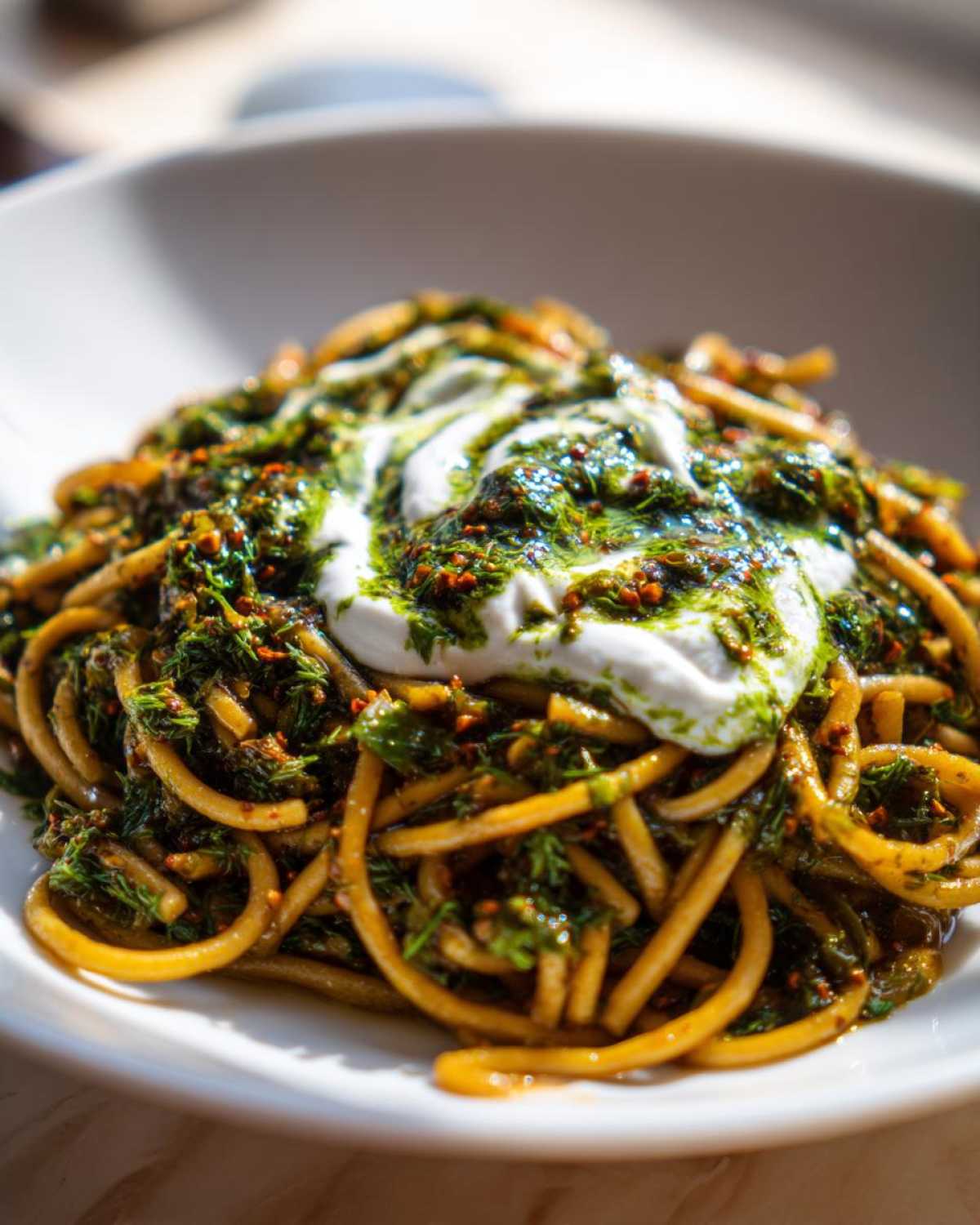
When the cold rolls in, this is my absolute go-to. It’s such a fantastic nourishing winter soup because it warms you from the inside out. You get all those great pulses—chickpeas, kidney beans, lentils—giving you sustained energy. It feels profoundly comforting, like Mom is making dinner, even if you’re just learning the steps today!
Essential Ingredients for Authentic Persian Noodle Soup
Okay, let’s talk about what makes this truly authentic. When I first tried making this Iranian noodle soup, I thought I could cheat on the herbs or use canned beans. Big mistake! You absolutely need to commit to the list here to get that signature earthy, complex taste, and make sure you’re getting your legumes ready ahead of time. If you love legume-heavy dishes, you might also want to check out my lentil and kale soup recipe, but this one takes the legumes to a whole new level.
Legumes and Grains for Your Hearty Herb and Bean Soup
This is where the real body comes from! You need chickpeas, kidney beans, and lentils. The most important part? The chickpeas and kidney beans MUST be soaked overnight. Seriously, don’t try to cook them straight from the bag; you’ll be here until next Tuesday! Drain and rinse them well before they go into the pot. The lentils don’t need soaking, but you’ll want to toss them in about 30 minutes before everything else is done cooking so they don’t turn to mush.
Sourcing Reshteh Noodles Recipe Alternatives
The star of the show ingredient is the reshteh noodles. They are these wonderful, thin noodles that give the soup its name. If you can’t find them at your local international market—and I know that can happen sometimes—don’t panic! The recipe notes have the perfect workaround. You can substitute with broken up thin egg noodles or even vermicelli. Just break them into little one-inch pieces. It won’t be exactly the same, but it keeps the spirit of the reshteh noodles recipe alive in your hearty herb and bean soup!
Step-by-Step Instructions for Making Ash Reshteh
This is the part where we finally make magic happen! Don’t let the long ingredient list scare you; once you start cooking, it comes together quite smoothly. Remember, this is a classic, slow-simmered soup, so patience gets rewarded. Before you start, make sure you’ve got your massive pile of herbs washed and chopped—you’ll need them ready to go! If you’re new to Persian cooking, this recipe is actually a fantastic starting point and a great way to dive into easy Persian recipes for beginners.
Preparing the Legumes: The Foundation of Your Persian Noodle Soup
First things first: drain those chickpeas and kidney beans you remembered to soak overnight, and give them a good rinse. Put them in your biggest pot—you’ll need room for everything else! Cover them with the vegetable broth and bring that beauty to a gentle boil, then reduce it down to a simmer. They take the longest, so let them cook until they are *almost* tender, which is usually about an hour to an hour and a half. Now, add those lentils in for the last 30 minutes of *their* cooking time. You want those beans cooked through, but not totally falling apart yet.
Building Flavor: Sautéing Aromatics for the Aromatic Noodle Soup
While the legumes are getting happy in the pot, let’s make our flavor base. In a separate skillet, heat up that vegetable oil. Toss in your chopped onion and cook it down until it’s soft and translucent—about five minutes usually does the trick. Now, this is key for our aromatic noodle soup: sprinkle in your turmeric and the dried mint. Let it cook for just about 60 seconds until you can really smell that mint bloom. Don’t burn it! Immediately dump this sizzling mixture right into your soup pot with the beans.
Combining Herbs and Noodles in the Persian Noodle Soup
Time for the green explosion! Stir in all that chopped parsley, cilantro, dill, and spinach. Let the soup simmer gently for about 20 minutes. Watch how beautifully those herbs wilt and meld into the broth. Once they’ve settled, it’s time for the noodles! Add the reshteh noodles and let them cook according to their package—usually about 5 to 10 minutes. You’ve got to stir frequently here, or those noodles will clump together at the bottom of your fantastic Persian noodle soup. Once the noodles are tender, season generously with salt and pepper. If it looks too thick (which often happens!), just thin it out with a splash of hot water until it’s the perfect soupy consistency for serving.
Expert Tips for Perfecting Your Persian Noodle Soup
Look, making Ash Reshteh is fun, but sometimes you hit little snags, right? I’ve been making this for years, and I have a few tricks up my sleeve to guarantee you nail the texture and flavor every time. These little shortcuts help tremendously when you’re busy making Ash Reshteh at home, and they really boost your confidence in the kitchen. Even if you usually rush things, try these tips out—they make a huge difference for this specific Iranian noodle soup! If you’re looking for other easy wins in the kitchen that are totally reliable, you have to check out how I make my easy classic sugar cookie bars; they never fail.
Achieving the Right Consistency in Your Iranian Noodle Soup
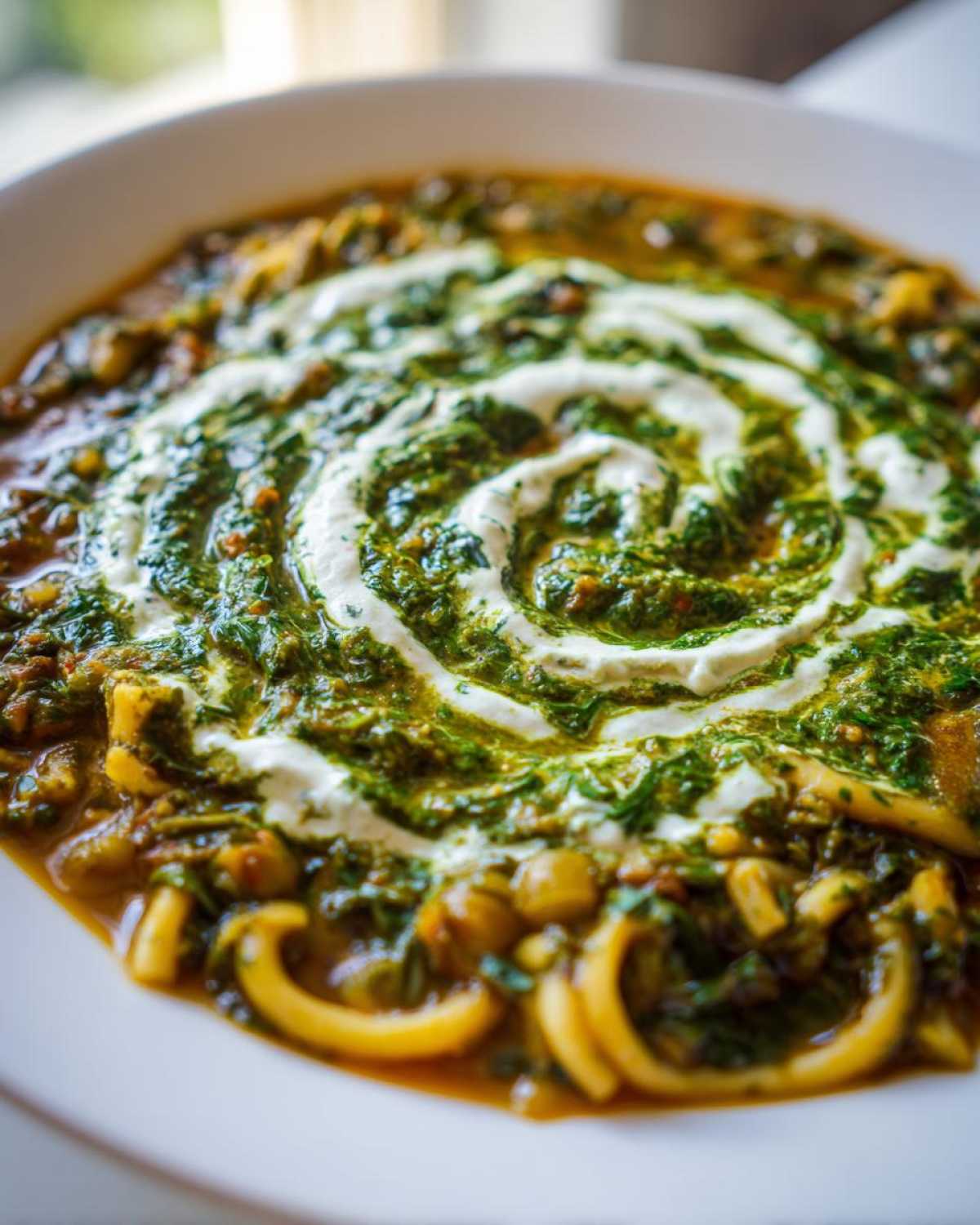
So, sometimes those starches from the beans and lentils get thick, thick, thick! Especially after it sits for a minute. If your soup looks more like a stew and you need it to flow a bit more to properly soak those noodles, don’t panic and don’t add cold water! That ruins the simmer. Keep a kettle of hot water nearby. Just ladle in a splash or two of *hot* water while stirring until you get that perfect, soupy consistency where everything swirls nicely. It’s the gentlest way to fix thickness without cooling down the whole pot.
Making Ash Reshteh at Home: Topping Variations
You absolutely must serve this soup with toppings! It’s not the same without them. Tradition calls for kashk, which is tangy, creamy goodness. But I know kashk can be hard to find! When I can’t get it, I whip up my own quick substitute: just take some plain, full-fat Greek yogurt—the thicker the better—and thin it slightly with a tiny bit of water until it drizzles nicely. Then, you swirl that on top along with some piyaz dagh (fried onions) and nana dagh (fried mint oil). Those toppings are non-negotiable for the full experience, even when you’re just whipping up a weeknight batch!
Serving Suggestions for This Traditional Persian Soup
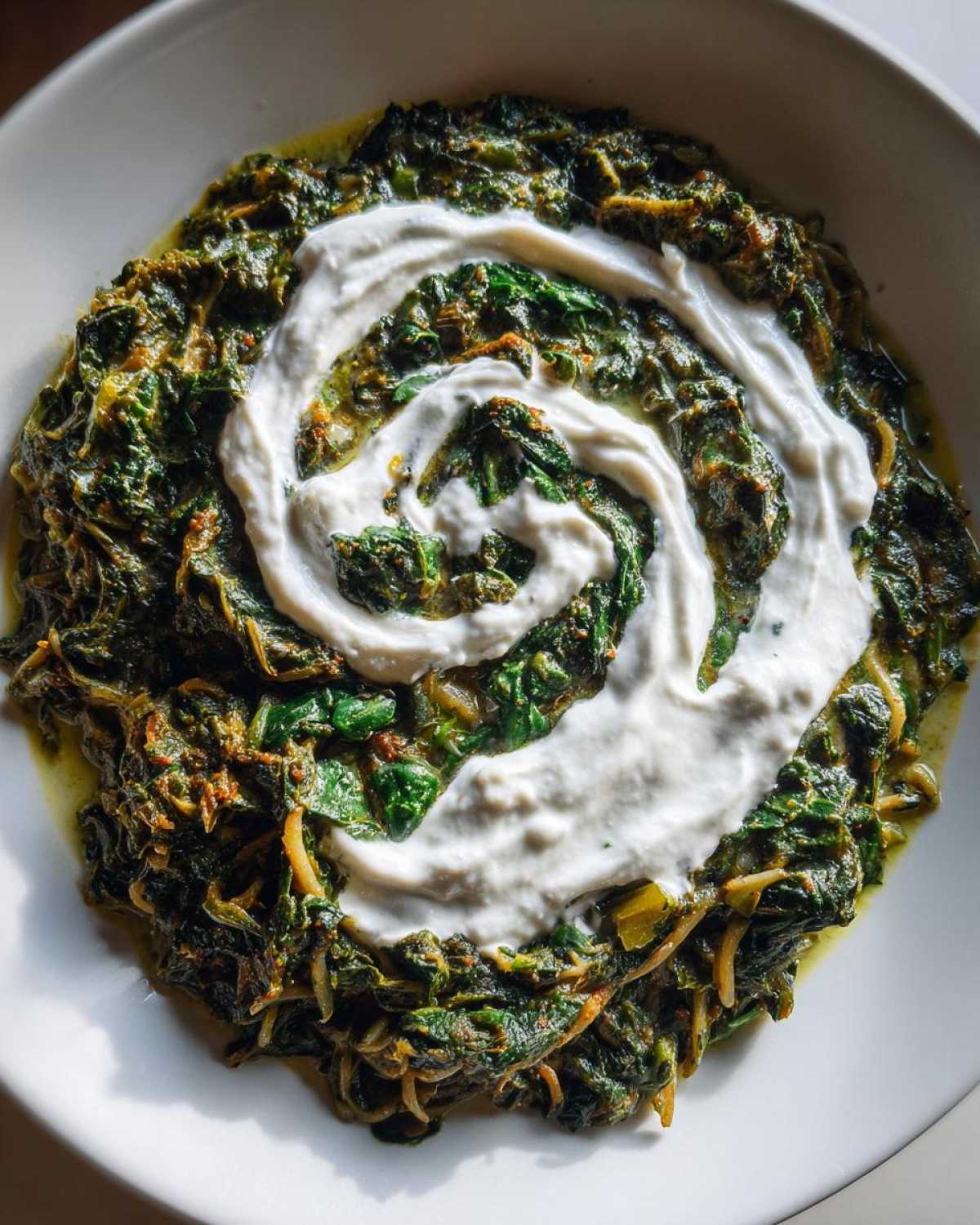
Now that you have this gorgeous, deep green, aromatic pot of Traditional Persian soup sitting on your stove, you might be wondering how to serve it up! The great news is, Ash Reshteh is a powerhouse all on its own. Because it’s loaded with legumes and those filling noodles, you honestly don’t *need* much else. It’s totally a one-pot dinner kind of meal!
However, if you are hosting a gathering or just want a little extra freshness alongside it, keep the sides light so you don’t overpower the soup’s complex herbal flavors. I love serving a small side of fresh herbs like basil and radishes. Maybe a simple bread, too. My favorite is serving it alongside some warm, fluffy pita bread or Sangak bread if I can find it. If you are looking for something richer, perhaps you skip the bread and save that craving for something later, like my creamy Tuscan chicken pasta!
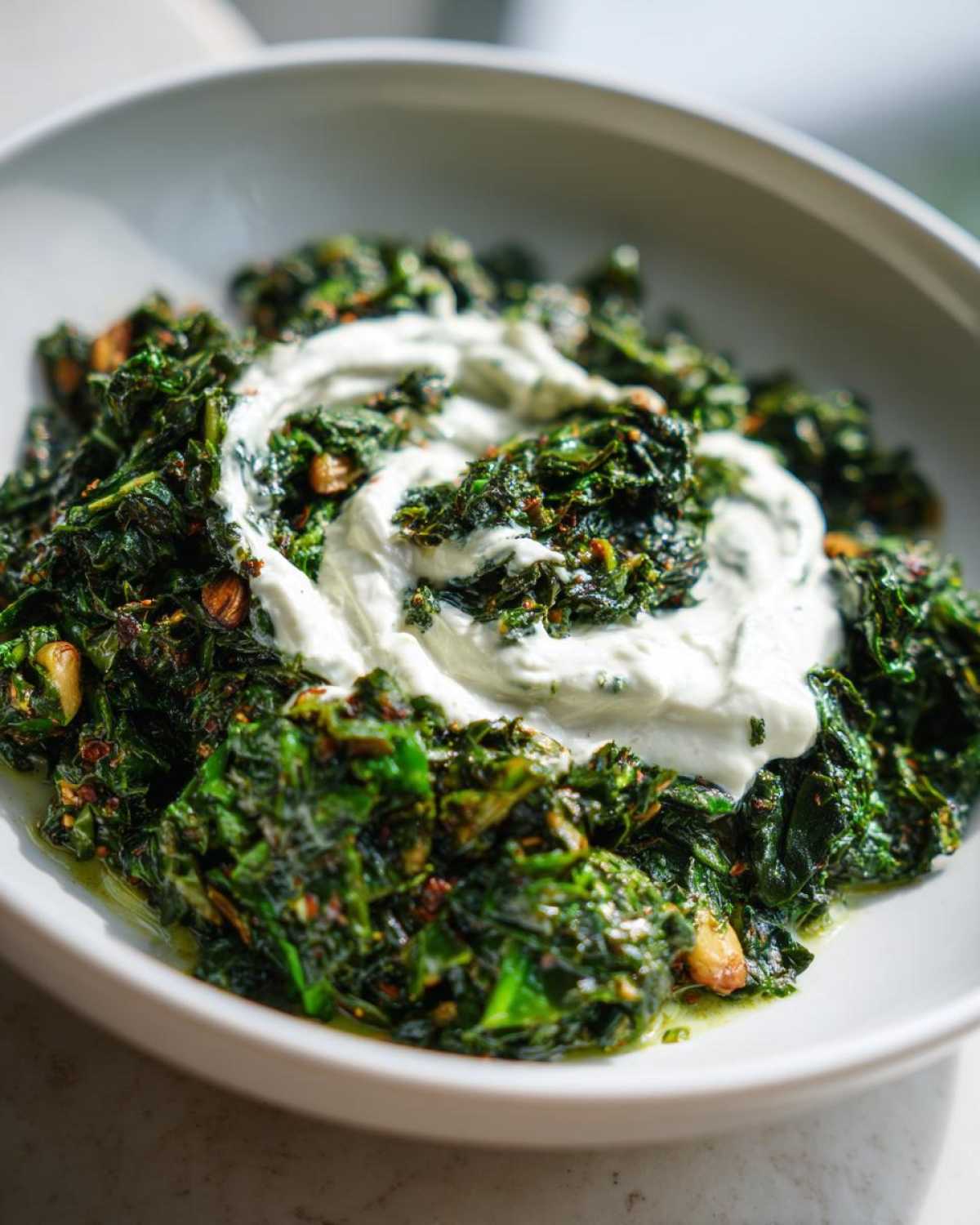
But remember the topping ceremony! Presentation really matters with this dish. Make sure everyone gets a proper drizzle of that tangy kashk substitute (or the real deal) and a sprinkle of the fried mint and onions right before they dig in. That final topping adds a textural element and cuts through the richness perfectly. Every bowl should look like a little work of art!
Storage and Reheating Instructions for Leftover Persian Noodle Soup
The absolute best part about this Persian noodle soup is that it tastes even better the next day! Honestly, I think the flavors have more time to get cozy and really deepen up overnight. You can absolutely make a gigantic pot and save the rest—it’s perfect for quick lunches. If you are making a huge batch, I highly recommend keeping any toppings (like the kashk or fried onions) separate until you serve them, though. Just like with any stew, the noodles are going to keep soaking up liquid while it sits in the fridge.
Store your leftovers in an airtight container, and they should stay perfectly good in the refrigerator for about four to five days. When you’re ready to reheat, you might find the soup terribly thick—almost like a chunky mash—because those reshteh noodles are sponges! That’s totally normal!
To fix this, just transfer the portion you want to eat into a pot, add a few splashes of water or fresh broth—remember, use hot water!—and let it gently come back up to a simmer. Stir slowly as it heats. It will loosen right back up into a wonderful, slurpy soup. If you’re looking for other fantastic make-ahead meals, you should totally bookmark my recipe for braised lamb shanks; those are incredible reheated too!
Frequently Asked Questions About Ash Reshteh
I totally get it! When you’re trying a recipe that feels like a deep dive into a new cuisine, you always have little questions bubbling up. That’s why I put together this little FAQ section to make sure your experience making this Iranian noodle soup is as smooth and delicious as possible. It’s all about making sure you feel confident!
Is this Persian Noodle Soup naturally Vegetarian?
Yes, the recipe I shared here is completely vegetarian! We use vegetable broth and load it up with all those wonderful beans, lentils, and fresh herbs, so it’s super hearty without any meat products. That being said, if you are looking at other traditional recipes, sometimes you might see a version where the cook uses beef or lamb broth for a richer flavor base. But for our purposes here, this version is perfect for vegetarians, and it’s still one of the most filling meals you’ll ever eat!
Can I make this Comfort Food Soup Recipes ahead of time?
You absolutely can make the soup base ahead of time, and I highly recommend preparing the bean and herb mixture a day early—it tastes amazing the next day! However, and this is the big rule for any soup with noodles or pasta: Do not add the *reshteh* noodles until you are ready to eat or serve! If you put the noodles in the pot the day before, they will absorb every last bit of liquid and turn into a dense block. Save those noodles for about 10 minutes before you want to sit down to enjoy this comfort food soup!
What is the cultural significance of serving this Iranian Noodle Soup?
Ash Reshteh is deeply connected to tradition, especially in the spring! It’s often one of the first foods served to celebrate Nowruz, the Persian New Year. The noodles themselves, the *reshteh*, are thought to symbolize good fortune and long paths ahead in the new year. It’s a dish that represents bringing forth hopes and good luck for the coming season, which makes it feel extra special to cook and share.
If you want some other ideas for easy meals, maybe check out my recipe for easy chicken tortilla soup while you’re waiting for your beans to soak!
Nutritional Estimates for This Delicious Noodle Dish
Now, I always bake with love, not calculators, but I figured some of you lovely folks who track your macros might appreciate a rough idea of what’s in a big bowl of this incredible persian noodle soup. Please remember these numbers are just estimates based on the ingredients I used, especially since the type of dried herbs or the amount of kashk you use can totally change things up. Think of this as a bonus, not a binding contract!
For a standard 1.5-cup serving, here’s what we’re looking at. Since this recipe relies so heavily on legumes and herbs, it’s naturally high in fiber and generally quite lean, which I love. It’s far better than most other creamy, heavy soups out there. If you’re looking for other great plant-forward updates on classics, you might want to check out how I make a vegan lentil shepherd’s pie!
- Serving Size: 1.5 cups
- Calories: Approximately 380
- Fat: Around 8 grams
- Carbohydrates: About 60 grams
- Protein: A whopping 20 grams!
- Fiber: 15 grams (That’s fantastic!)
See? So much goodness packed in there! It’s a true meal in a bowl, thanks to all those beans and lentils doing the heavy lifting.
Share Your Experience Making This Persian Noodle Soup
Alright, my friend, now you have all the secrets to conquering Ash Reshteh! You’ve got the legumes soaking, you know how to properly sauté the mint and turmeric, and you know to hold off on those noodles until the very last minute. That’s huge! Now it’s your turn to bring this incredible persian noodle soup into your own kitchen, and I am so excited for you to try it.
I really, really want to know how it turns out! When you make this traditional dish, please come back here and drop a star rating so others can see how amazing it is. Even better, snap a picture! I’d love to see your topping swirls—did you find real kashk, or did you use my yogurt hack? Tag me on social media if you share your photos; seeing your beautiful bowls of this hearty herb and bean soup truly makes my day.
If you ran into any snags, or if you have a totally different ethnic noodle soup you think rivals this one (highly doubtful, but I’m listening!), don’t hesitate to drop a question in the comments below. I try to answer everything and help you troubleshoot any issues you have while mastering this Iranian noodle soup. Need to reach me directly for a long chat about legumes? You can always use my contact form!
Happy cooking, and enjoy every single warm, herbal, comforting bite of your homemade Ash Reshteh!
PrintAsh Reshteh: Traditional Persian Noodle Soup
Make authentic Ash Reshteh, a hearty, herb-filled Persian noodle soup featuring beans, lentils, and traditional reshteh noodles, perfect as a nourishing meal.
- Prep Time: 30 min
- Cook Time: 2 hours
- Total Time: 2 hours 30 min
- Yield: 6 servings
- Category: Soup
- Method: Stovetop Cooking
- Cuisine: Persian
- Diet: Vegetarian
Ingredients
- 1 cup dried chickpeas, soaked overnight
- 1 cup dried kidney beans, soaked overnight
- 1 cup dried lentils
- 1 large onion, chopped
- 4 cups fresh parsley, chopped
- 4 cups fresh cilantro, chopped
- 2 cups fresh dill, chopped
- 1 cup fresh spinach, chopped
- 8 ounces reshteh noodles (or thin egg noodles)
- 6 cups vegetable broth
- 1/2 cup dried mint
- 1/4 cup turmeric powder
- 1/2 cup dried whey (kashk) for topping (optional)
- 2 tablespoons vegetable oil
- Salt and pepper to taste
Instructions
- Drain and rinse the soaked chickpeas and beans. Place them in a large pot with the vegetable broth and cook until almost tender, about 1 to 1.5 hours. Add the lentils during the last 30 minutes of cooking.
- While the legumes cook, heat the oil in a separate pan. Sauté the chopped onion until soft, about 5 minutes. Add the turmeric and dried mint, cooking for 1 minute until fragrant.
- Add the sautéed onion mixture to the pot with the legumes. Stir in all the fresh chopped herbs (parsley, cilantro, dill, spinach).
- Bring the soup back to a simmer. Cook for 20 minutes, allowing the herbs to wilt and flavors to combine.
- Add the reshteh noodles to the soup. Cook according to package directions, usually 5 to 10 minutes, until the noodles are tender. Stir often to prevent sticking.
- Season the soup with salt and pepper. If the soup is too thick, add a little hot water.
- Serve the Ash Reshteh hot. Top each bowl with a swirl of kashk, fried onions (piyaz dagh), and fried mint oil (nana dagh) if desired.
Notes
- Soaking the chickpeas and beans overnight reduces cooking time significantly.
- If you cannot find reshteh noodles, use thin vermicelli or linguine broken into small pieces as a substitute.
- For a richer flavor, use homemade vegetable broth instead of store-bought.
- Kashk is a fermented dairy product; you can substitute it with plain Greek yogurt mixed with a little water for a similar tangy topping.
Nutrition
- Serving Size: 1.5 cups
- Calories: 380
- Sugar: 5
- Sodium: 450
- Fat: 8
- Saturated Fat: 1
- Unsaturated Fat: 7
- Trans Fat: 0
- Carbohydrates: 60
- Fiber: 15
- Protein: 20
- Cholesterol: 0
