


There is nothing—and I mean nothing—more satisfying than carving into a Sunday roast, only to have a magnificent, towering golden specimen waiting beside the meat, ready to soak up all that glorious gravy. That, my friends, is the magic of the perfect yorkshire pudding. After much trial and (very flat) error, Anya, Sasha, and I perfected this foolproof recipe. We promise this technique will give you those impossibly tall, crispy-edged, and delightfully fluffy centers every single time.
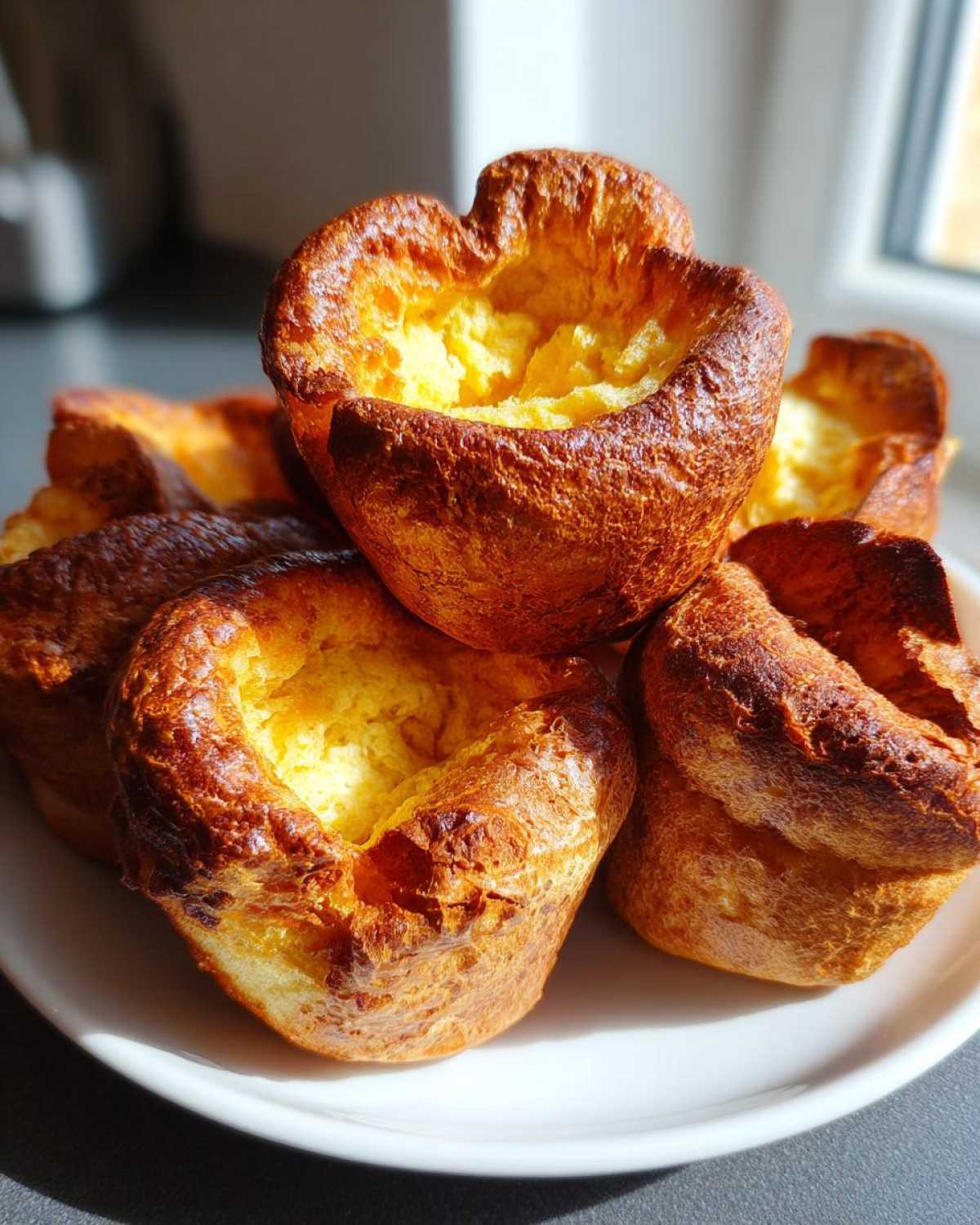
We’ve shared a bit about our unlikely friendship and cooking philosophy over on our About Us page, but here in the kitchen, we stick to precision for guaranteed results. Pull up a chair and let us show you the secrets we learned!
Why This Yorkshire Pudding Recipe Delivers Golden Brown Puddings Every Time
Honestly, I used to dread making Yorkshire puddings. They were either sad, greasy pancakes or flat, chewy rings. Anya would watch with quiet amusement as I cursed my oven. But we cracked the code, realizing that this classic British side dish isn’t really about luck; it’s pure science mixed with a little bit of daring!
What sets this recipe apart are the small steps that yield massive results. We focus on achieving truly Crispy Yorkshire Puddings with that airy, Fluffy Yorkshire Puddings interior that’s perfect for gravy mopping. It’s all about control, even though Sasha likes to pretend it’s chaos!
The Science Behind the Perfect yorkshire pudding Rise
You absolutely must rest the batter. That simple step, anywhere from 30 minutes to a few hours in the fridge, lets the gluten relax and the starch hydrate properly. Trust me, this is non-negotiable for height. Then, you have the fire component: the fat has to be smoking hot—I mean *smoking*! When that cold batter hits the screaming hot fat, the rapid temperature change creates all the steam needed to puff them up tall and proud.
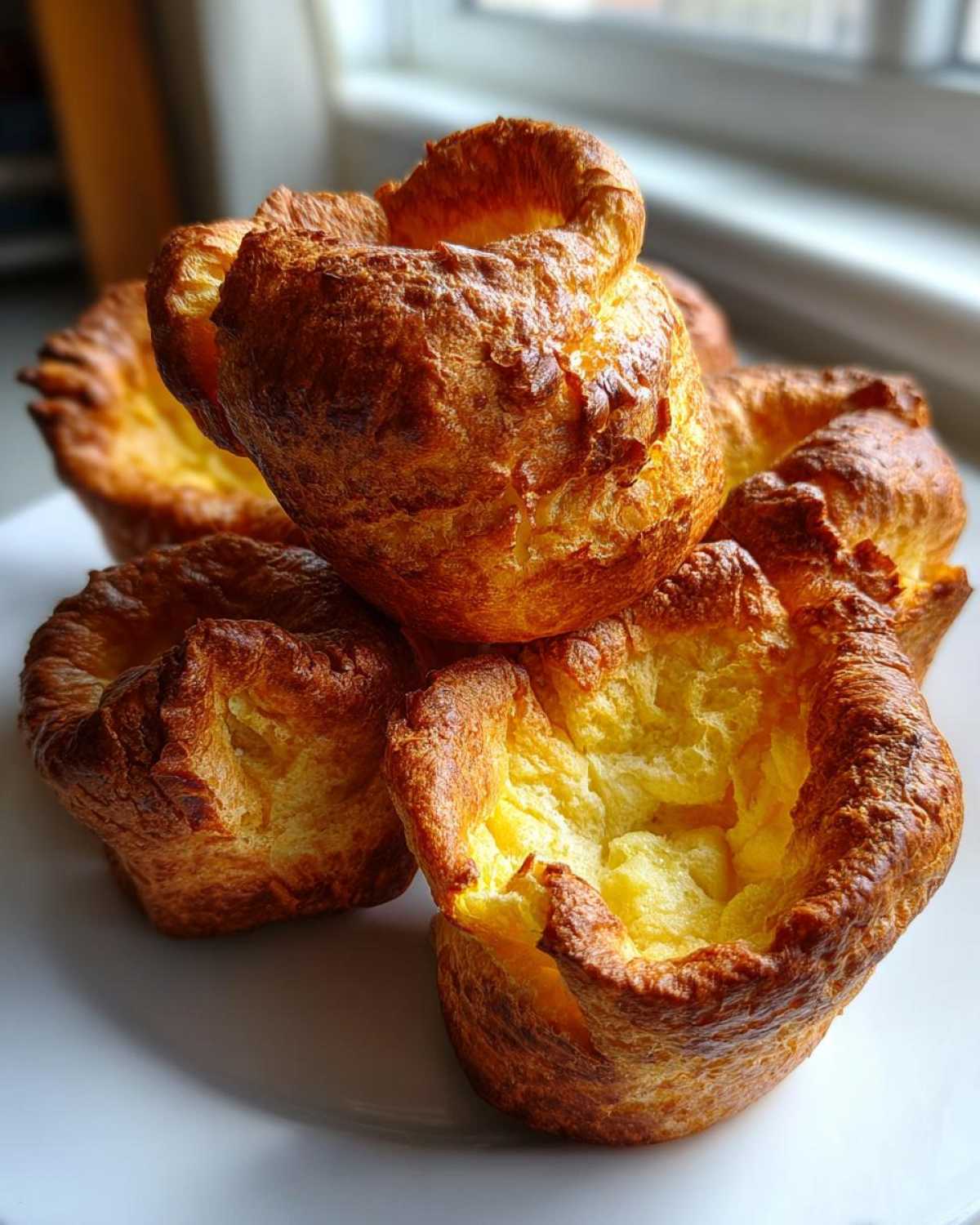
Essential Ingredients for Your Foolproof yorkshire Pudding
The beautiful thing about making these—and why they keep popping up on those budget cooking blogs—is that they are incredibly cost-effective! You probably have everything you need in your pantry right now. We don’t mess around with fancy flours or specialty milks here; this is pure, classic English comfort food based on simple staples.
Ingredient Clarity and Preparation Notes
- 4 large eggs: Try to let these sit out for 20 minutes before mixing if you can; room temperature eggs mix in better.
- 1 cup all-purpose flour: Just standard plain white flour works perfectly here.
- 1 cup whole milk: Don’t substitute thin skim milk if you can avoid it; the fat content helps with crispiness!
- 1/2 teaspoon salt: For flavor balance—don’t skip this!
- Vegetable oil or beef dripping, for cooking: You need enough to coat the bottom of each cup well when heating. Dripping adds amazing depth, but oil works if you’re keeping them vegetarian.
How to Make yorkshire Puddings: Step-by-Step Instructions
Okay, this is where the action happens! Remember, speed and heat control make all the difference here. We need things hot, quick, and then left totally alone. This is where we move from making a simple batter to engineering a fluffy masterpiece. We want these golden and towering for that stunning roast dinner!
Mixing the Easy yorkshire Pudding Batter
Start by tossing your flour and salt together in a big bowl. Make a little well right in the middle—our throwing zone! Crack those eggs right in there. Now, grab your whisk and start working the eggs, slowly pulling in the flour from the edges. Once you have a thick paste, start drizzling in the milk bit by bit while whisking constantly until everything looks smooth. Sasha always says if you have a couple of tiny lumps, who cares? They disappear when baked. You want a consistency like thin cream, not thick cake batter.
The Critical Resting Period for Fluffy Yorkshire Puddings
Before anything else, cover that bowl with plastic wrap. Pop it straight into the fridge! You need to let this batter chill out for at least 30 minutes, but honestly, two hours is better. This resting period is what builds structure, so when they finally hit the oven heat, they know exactly how high to climb. Don’t rush this part; it’s the calm before the magnificent poof!
Baking for Maximum Puffy yorkshire Pudding Height
Preheat your oven to a blazing 450°F (230°C). Put your muffin tin in there while it heats up. After it’s fully hot, carefully pull the tin out, add a teaspoon of fat to each cup, and put it back for 10 or 15 minutes until that fat is literally smoking. When it’s smoking, quickly pour in the cold batter—filling cups only about a third full—and slam that door shut! Seriously; do not open the door for 20 minutes. After that, bake until they are deep golden brown and you can feel that satisfying crispness. Serve them straight from the tin alongside your rich gravy. If you’re making a big pot of gravy for your roast, you’ll definitely want extra puds to mop it all up! You can check out my favorite way to make rich gravy here.
Yorkshire Pudding Tips and Tricks for a Traditional British Side Dish
Even with the perfect recipe, sometimes you just need that extra push to get those unbelievable heights for your Traditional British Side Dish. Honestly, watching them fail when you know what’s supposed to happen is frustrating! Before we nailed this, I’d stand there staring at the oven, willing them to puff up. Don’t fret if yours haven’t reached the perfect sky-high status yet; it always comes down to temperature control.
Plus, if you’re looking for incredible flavor, some of the big names know what they are doing. I’ve heard that even Gordon Ramsay swears by using proper beef dripping for incredible depth—which absolutely boosts the flavor profile when you’re serving this alongside roast beef. For more inspiration on traditional food we love, check out our thoughts on Classic English Recipes.
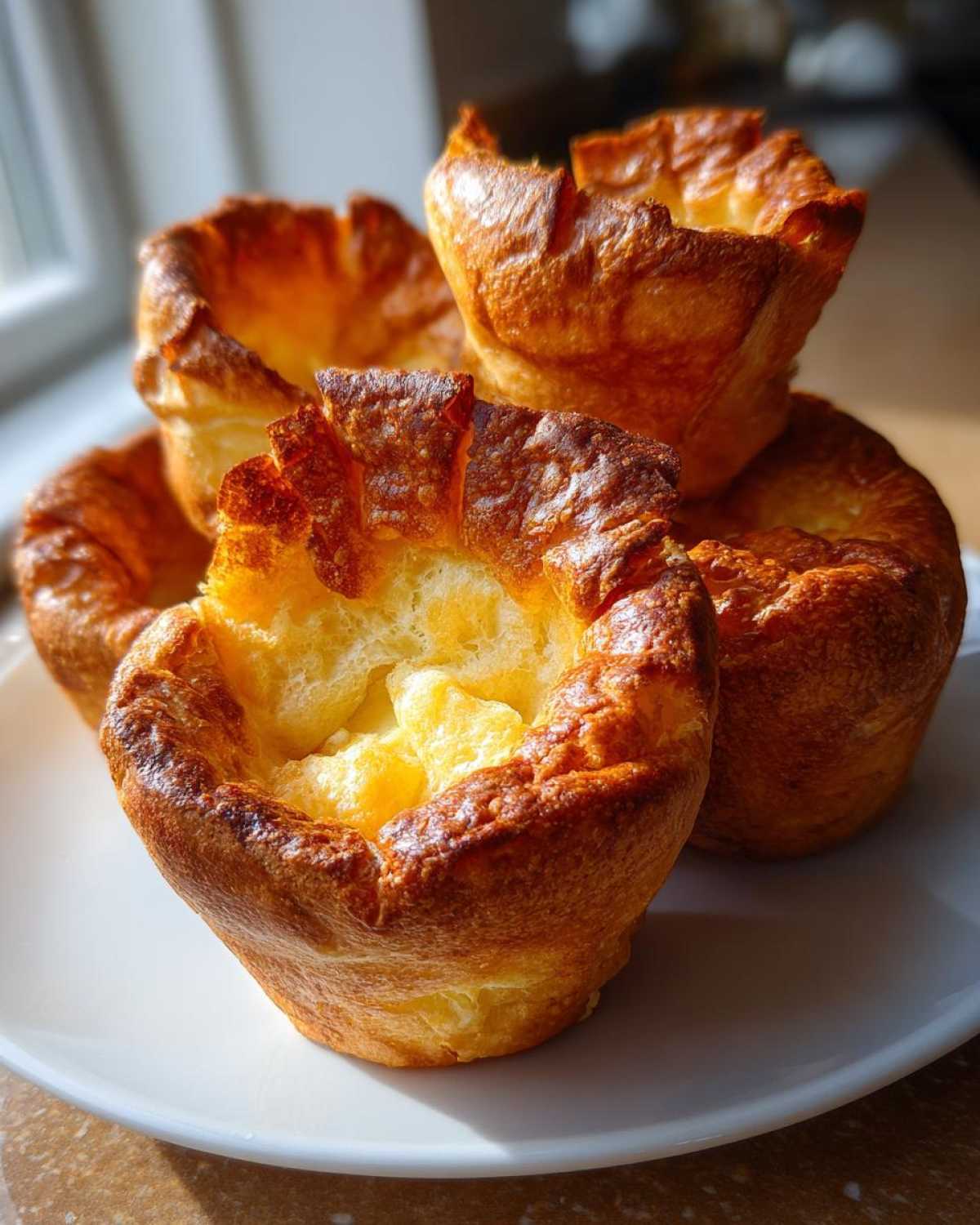
Achieving Tall yorkshire Puddings: Temperature is Everything
If you take away only one thing from this entire post, let it be this: the batter needs to be cold, and the fat needs to be screaming hot. I mean it! If the fat isn’t shimmering and smoking when you pour in the batter, you’ve lost the steam explosion necessary for the rise. The contrast is everything. If you want to dive deeper into the technicalities of different techniques, Serious Eats has a great comprehensive guide on popovers right here. But mostly, trust the heat!
Variations: Making Individual Yorkshire Puddings or Gluten Free yorkshire Pudding
While we absolutely adore baking twelve beautiful, individual yorkshire puddings—they just look so fetching on a platter next to the roast—sometimes you need one giant cloud of puffy bread instead! That’s surprisingly easy. If you’re using a 9×13 inch dish instead of a muffin tin, you’ll need to increase your fat slightly to coat the bottom well, and the cook time will definitely stretch longer, maybe 35 minutes or more. Keep your eye on it, but whatever you do, don’t open that door too early!
Now, I know a lot of you cooking follow special diets. While this recipe is based on traditional wheat flour, we are always exploring ways to adapt favorites. If you’re looking for a gluten-free option for other bakes, you know we have ideas for that! For those specifically curious about GF versions of this side dish, I’ve seen some great results using specific GF flour blends, and you can check out one excellent resource right here. We’ll update you if we perfect our own version!
Serving Suggestions for Your golden Puddings
A perfect golden pudding deserves the perfect partner, right? When we talk about these airy creations, we aren’t just talking about a side dish; we’re talking about the absolute star of the show, tucked right next to the main event on your plate. They are, historically and deliciously, the ultimate Roast Dinner Accompaniments.
Of course, nothing beats a proper Sunday roast. If you ask Anya, it has to be roast beef. If you’re looking to make a show-stopping centerpiece, you absolutely must check out our Garlic Herb Prime Rib Roast Recipe—it’s tender, juicy, and begs for those puffy cups to soak up every drop of the rendered juices.
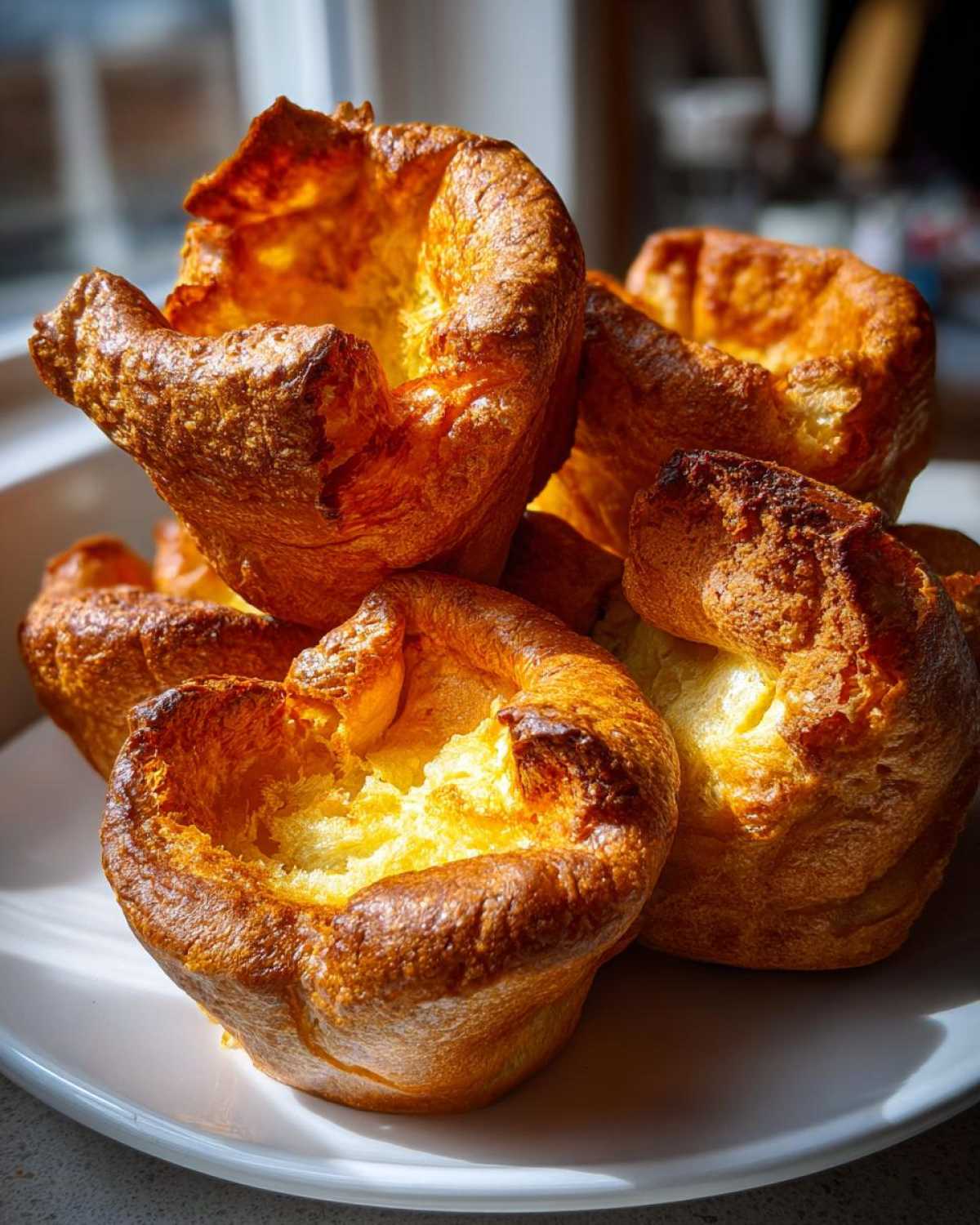
Gravy is mandatory. No questions asked. You need gallons of it! But don’t feel you have to stick to beef; these amazing puffs are fantastic alongside roasted chicken, pork loin, or even hearty lamb. They are just that versatile and welcoming! They add height and that amazing crispy texture no matter what you serve them with.
Storage and Reheating Instructions for Leftover yorkshire Pudding
Okay, what happens if you actually *have* leftovers? Because usually, ours vanish instantly, but when they don’t, we need to treat them right! You want to preserve that incredible crispness we worked so hard to achieve. Never put them immediately into a plastic container when they are warm; that’s a fast track to soggy ruins.
Once they are completely cool, stack them gently in an airtight container. The best way to bring back that glorious puffiness? The oven! Pop them back into a moderately hot oven—say, 350°F (175°C)—for about five to seven minutes. They crisp right back up, just like magic. Don’t try the microwave unless you enjoy soft, doughy bread masquerading as a pudding!
Frequently Asked Questions About yorkshire Pudding
I get so many messages asking about what to do when things go slightly wrong, especially with something as temperature-sensitive as this Yorkshire Pudding Recipe. Since we’ve worked so hard to make these foolproof, let’s tackle the big curveballs that pop up in the kitchen!
Why are my yorkshire puddings flat?
Nine times out of ten, the flatness comes down to temperature trauma! You didn’t let the fat get hot enough before pouring in the batter, or perhaps the batter wasn’t cold enough from resting. Remember that contrast we talked about? That shock of cold hitting screaming hot fat is what explodes the mixture upwards. If the fat is just warm, they won’t puff. Also, if you dared to open the oven door before the 20-minute mark, you let all the steam out, and they collapsed immediately. Don’t peek!
Can I make yorkshire pudding batter ahead of time?
Yes, you absolutely can! In fact, I highly recommend it for a smoother Sunday rush. We said the batter needs a rest, and while 30 minutes is the minimum, letting it sit in the fridge for up to 12 hours is even better for developing those strong gluten structures that lead to Fluffy Yorkshire Puddings. Just make sure when you pull it out, you give it a quick, gentle whisk—not too much—before pouring.
What helps you get the Best Yorkshire Pudding results? For us, it’s always about that hot-cold shock!
Nutritional Estimate for This yorkshire Pudding Recipe
I always feel a little awkward talking about nutrition when we’re talking about the ultimate comfort food, but knowledge is power, right? We calculated the basic nutritional information for one of these glorious, golden little cups based on the recipe using standard vegetable oil for the fat. I want you to enjoy these puddings knowing what’s in them!
Please keep in mind that this is just a snapshot. If you use rich beef dripping instead of oil, or if your brand of milk has higher fat content, those numbers will shift around, especially the fat and calorie counts. For our full dish policy regarding figures, you should always check out our disclaimer page.
Here is the general estimate per individual pudding:
- Serving Size: 1 pudding
- Calories: 120
- Fat: 6g
- Saturated Fat: 2g
- Carbohydrates: 13g
- Protein: 5g
- Sugar: 1g
- Sodium: 150mg
See? Surprisingly tame, considering the height they reach! With simple ingredients like flour, milk, and eggs, they are a traditional bake that holds up well against modern recipes. Enjoy them piled high with roast beef and gravy!
PrintThe Perfect Foolproof Yorkshire Pudding: Crispy Outside, Fluffy Inside

Learn how to make classic, tall Yorkshire puddings that are wonderfully crispy on the outside and light, airy, and fluffy inside. This recipe is simple and delivers perfect results for your Sunday roast.
- Prep Time: 10 min
- Cook Time: 25 min
- Total Time: 35 min
- Yield: 12 individual puddings
- Category: Side Dish
- Method: Baking
- Cuisine: British
- Diet: Vegetarian
Ingredients
- 4 large eggs
- 1 cup all-purpose flour
- 1 cup whole milk
- 1/2 teaspoon salt
- Vegetable oil or beef dripping, for cooking
Instructions
- Combine the flour and salt in a large bowl. Make a well in the center.
- Crack the eggs into the well. Begin whisking the eggs, gradually incorporating the flour from the sides.
- Slowly pour in the milk while continuously whisking until you have a smooth batter, similar in consistency to thin cream. Do not overmix; a few small lumps are acceptable.
- Cover the bowl and let the batter rest in the refrigerator for at least 30 minutes, or up to several hours. Resting is key for a good rise.
- Preheat your oven to 450°F (230°C). Place a 12-hole muffin tin (or a large roasting tin for one large pudding) into the oven.
- Add about 1 teaspoon of vegetable oil or beef dripping to each muffin cup. Heat the tin in the oven for 10 to 15 minutes until the fat is smoking hot. This step is crucial for crispiness.
- Carefully remove the hot tin from the oven. Quickly and carefully pour the batter evenly into the hot fat, filling each cup about one-third full. Work fast to keep the heat in the tin.
- Immediately place the tin back into the hot oven. Do not open the oven door for the first 20 minutes of baking.
- Bake for 20 to 25 minutes, or until the puddings are well-risen, deep golden brown, and crisp.
- Serve your fluffy Yorkshire puddings immediately with your roast dinner and gravy.
Notes
- For the best rise, the batter must be cold and the fat must be smoking hot when you pour the batter in.
- If you are making one large pudding, use a 9×13 inch baking dish and increase the fat slightly.
- If you want to try a Gordon Ramsay technique, some cooks recommend using only beef dripping for superior flavor and crispness.
- This recipe makes individual Yorkshire puddings, perfect for serving alongside roast beef.
Nutrition
- Serving Size: 1 pudding
- Calories: 120
- Sugar: 1
- Sodium: 150
- Fat: 6
- Saturated Fat: 2
- Unsaturated Fat: 4
- Trans Fat: 0
- Carbohydrates: 13
- Fiber: 0
- Protein: 5
- Cholesterol: 60
